SlumberPod Blackout Sleep Tent: A Closer Look at the Travel Staple Other Parents Already Pack

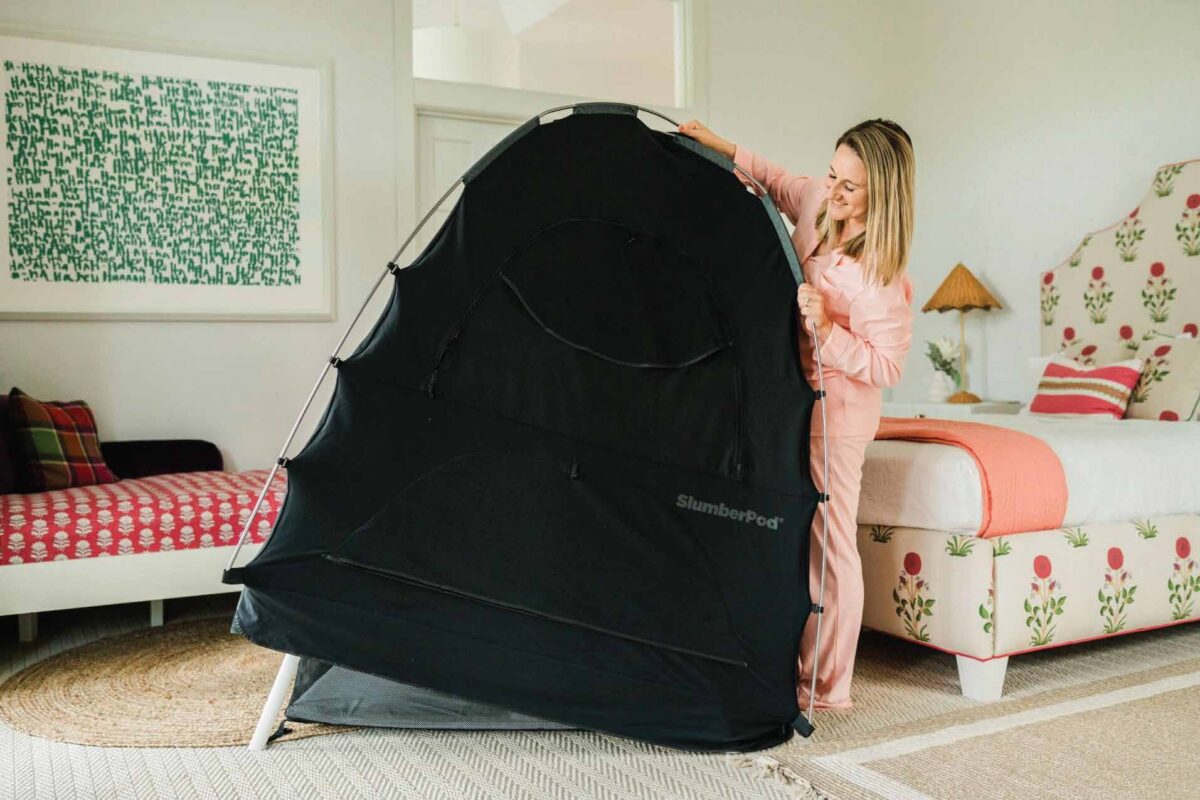
There’s a version of the family vacation most parents know too well: the baby who naps beautifully at home refuses to sleep in a bright, unfamiliar hotel room, and the whole trip bends around it — early nights, whispered dinners, everyone tiptoeing past the crib. Meanwhile, some families seem to sail through travel with a well-rested toddler and their evenings intact. Increasingly, the difference comes down to a piece of gear: a blackout sleep tent that goes over the crib or play yard. The best-known one is the SlumberPod, and if you’ve room-shared with a baby on a trip, it’s worth knowing what it actually does.
What it is
The SlumberPod is a patented, quick-assembly blackout tent that sets up over a standard play yard, pack-and-play, mini crib, select toddler cots, or an inflatable toddler mattress. The bottomless design slips over the sleep space your child already uses, and the breathable fabric blocks 99% of light — so a sunlit hotel room at 1 p.m. reads as nighttime inside. It was designed by a mom-and-daughter duo, appeared on Shark Tank, and has become a fixture on baby registries and packing lists: the company says more than a million parents use it, and over 250 sleep consultants recommend it as a tool for creating a darker, more consistent sleep space away from home.
Why it shows up on so many packing lists
Room sharing is the hard part of traveling with a little one. When the baby’s crib is three feet from your bed, bedtime becomes everyone’s bedtime — lights off, phones dimmed, conversations postponed. The SlumberPod’s pitch is simple: give the child their own dark, familiar-feeling space inside the shared room. The child gets the darkness that supports melatonin production and longer stretches of sleep; the parents get to keep the lamp on, order room service, and actually enjoy the vacation they paid for. That’s the gap between the families who come home rested and the ones who come home needing a vacation from their vacation.
How it works
Setup is similar to a small camping tent: two poles thread through the fabric and the pod stands over the sleep space in a few minutes. Four adjustable ventilation panels manage airflow, and two exterior pockets fit SlumberPod’s mini fan (sold separately) for warmer rooms. A dedicated monitor pocket lets a video baby monitor watch the inside of the pod without a gap in the fabric, so you can check on your child from the pool deck or the other side of the room. The fabric is machine washable, and the whole thing packs down into a carry-on-friendly bag. SlumberPod notes the design has been assessed for CO2 rebreathing; as with any sleep product, follow the manufacturer’s age and use guidelines.
Who it’s for
It’s built for families with babies and toddlers who travel — hotel stays, grandparents’ houses, camping trips, cruises — and for anyone room-sharing at home who wants the child’s sleep space darker than the rest of the room. If your child already sleeps well anywhere, you may not need it. But if the first night of every trip is a gamble, this is the piece of gear other parents quietly brought along while their kids slept through the fireworks. A good night’s rest on vacation shouldn’t be the thing your family misses out on.