A 3 A.M. Leg Cramp Sent Me Down a Rabbit Hole — and the Answer Wasn’t Another Sports Drink

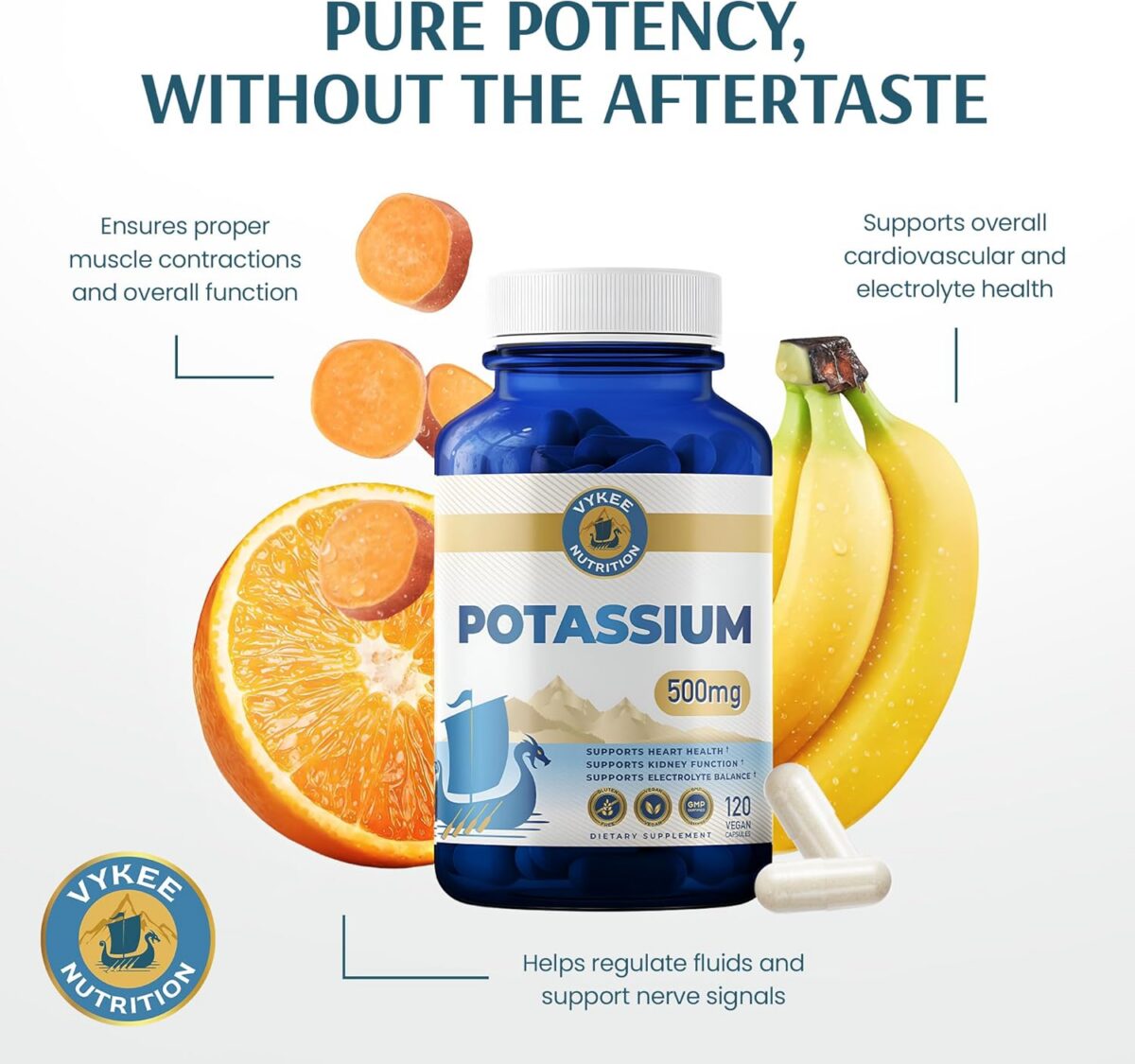
Paid partnership with Vykee Nutrition
If you’ve ever been jolted awake by a calf that’s suddenly turned to concrete, you know it isn’t a minor thing — it’s a full “why is this happening to me” moment at 3 a.m. That was my wake-up call, literally. I’d been drinking the electrolyte packets everyone posts about and still cramping, after workouts and in my sleep. When I finally read what those packets actually contained, the pattern was obvious: loads of sodium, a little flavor, and barely any of the electrolyte I was apparently short on — potassium.
The electrolyte nobody’s actually getting
Potassium is one of the minerals your body leans on every single minute — for fluid balance, nerve signaling, and normal muscle contraction (yes, including the muscles that seize up at night). And most Americans get less of it than the guidelines suggest. Adults are generally pointed toward 2,600–3,400 mg a day, most of which should come from food — bananas, potatoes, beans, dairy — but “should” and “do” are different numbers for a lot of us. It’s a quiet gap, the kind you only notice when your body starts sending cramps and afternoon-drag signals.
Why Vykee’s version stood out
I almost defaulted to another tub of sugary powder. What changed my mind was the form and the receipts. Vykee uses potassium citrate — a form commonly chosen because it absorbs well — in a simple 500 mg vegan capsule, with no sweeteners or flavor systems along for the ride. And it’s unusually transparent for a supplement:
- Every bottle has a QR code linking to ingredient sourcing and purity testing
- Clean Label Project certified
- Vegan, gluten-free, non-GMO, no fillers, made in GMP-certified facilities
- 120 capsules — a multi-month supply at one a day
How I use it (and the honest limits)
These are taken daily with food and water, like most mineral capsules. Worth keeping in perspective: 500 mg is a top-up, not your whole day’s potassium — food still does the heavy lifting. Where a capsule earns its spot is filling the gap on days your diet runs short, or when you’re active and sweating electrolytes out faster than a banana can replace them. It’s the difference between “I hope I’m covered” and a consistent daily baseline.
Who it’s for — and one caveat I mean sincerely
The likeliest fit: someone whose diet reliably under-delivers potassium, or an active person managing cramps and recovery who wants a clean, tested option. But here’s the part I won’t gloss over, because it genuinely matters with this mineral — potassium isn’t automatically safe for everyone. People with kidney conditions, and anyone on blood-pressure medications like ACE inhibitors, ARBs, or potassium-sparing diuretics, can retain too much. That’s a real interaction, not boilerplate, so check with a doctor before starting if either applies to you. And ongoing cramping or fatigue deserves a medical look rather than a self-diagnosis.
The verdict
I didn’t quit hydrating smart or eating my potatoes. But adding one tested, no-sugar capsule to my day turned out to be the missing piece the flavored packets weren’t giving me. If cramps, recovery, or a general “am I actually getting this one?” question are on your mind, it’s a low-effort, high-transparency place to start.
*These statements have not been evaluated by the Food and Drug Administration. This product is not intended to diagnose, treat, cure, or prevent any disease. Results vary.