 Recommended for you
The 2000s gave us some of the most iconic television of all time. It was the era of reality TV's explosive rise, network sitcom dominance, and cable dramas that pushed boundaries. But rewatching some of these beloved series in 2026 is a reminder that pop culture doesn't always age gracefully.
Many of these shows were products of their time, reflecting beauty standards, relationship dynamics, and comedy styles that were widely accepted two decades ago. Today, however, they can feel surprisingly uncomfortable to revisit. From body shaming and sexist humor to questionable dating advice and toxic workplace behavior, these once-beloved series have become fascinating time capsules of a very different era.
That doesn't necessarily erase their cultural impact, but it does make them much harder to binge today.
Scroll to see all the shows that actually aged really badly...

Disney+
America's Next Top Model (2003–2018)
Few reality shows defined the 2000s quite like America's Next Top Model. Tyra Banks introduced millions of viewers to the fashion industry while turning aspiring models into household names. But revisiting the competition today reveals a long list of moments that haven't aged well. Contestants were routinely criticized for their weight, pressured into dramatic makeovers they didn't want, and asked to participate in photo shoots that often relied on racial stereotypes or culturally insensitive concepts. Judges also made comments about contestants' appearances and personalities that would likely spark backlash today. While the series undeniably influenced reality television, it's now remembered just as much for its controversial moments as its runway challenges.
 CBS
CBSHow I Met Your Mother (2005–2014)
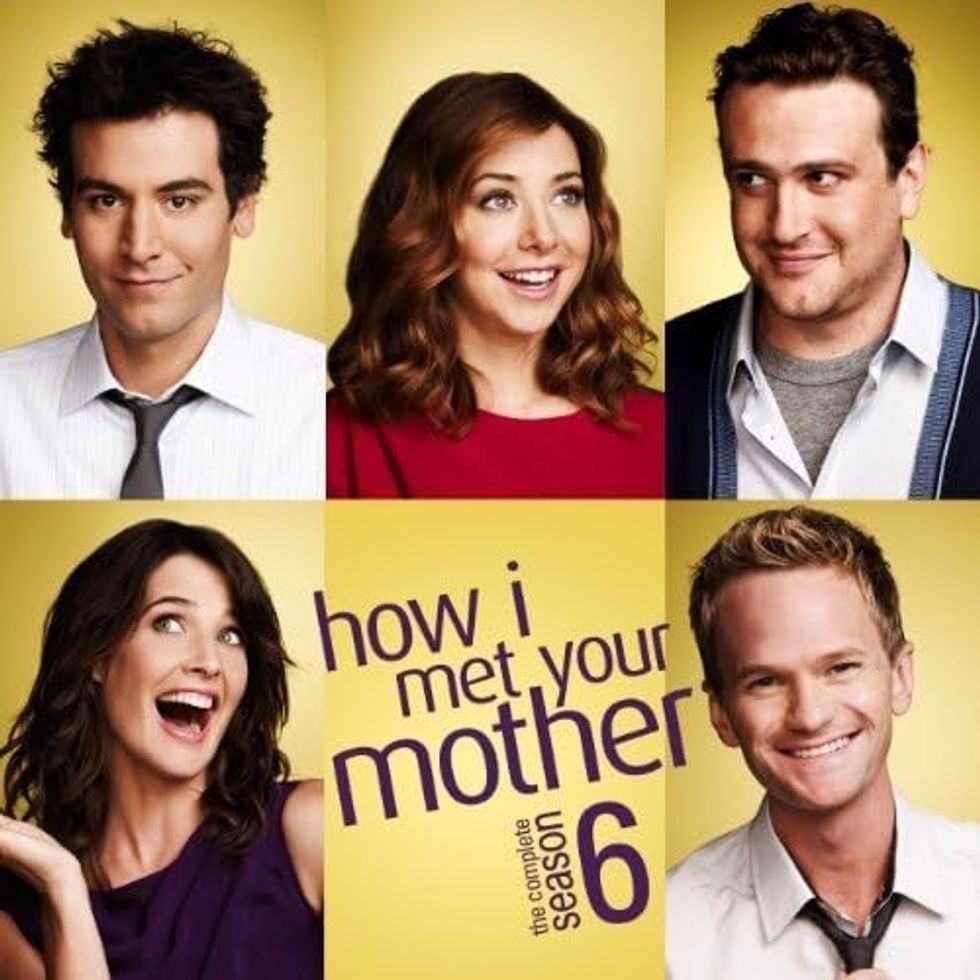
It's natural to have flawed characters in TV series, but one How I Met Your Mother character in particular, Barney Stinson, is especially problematic. Portrayed by Neil Patrick Harris, Barney is known for being manipulative and casually misogynistic.
For instance, he has a "playbook" of pick-up lines, regularly lies to women just to sleep with them, and perpetuates toxic masculinity. Barney's behavior might've been able to snag some laughs back in the day, but his disrespectful actions wouldn't be so well-received by audiences in 2026.
Warner Bros. Television
Two and a Half Men (2003–2015)
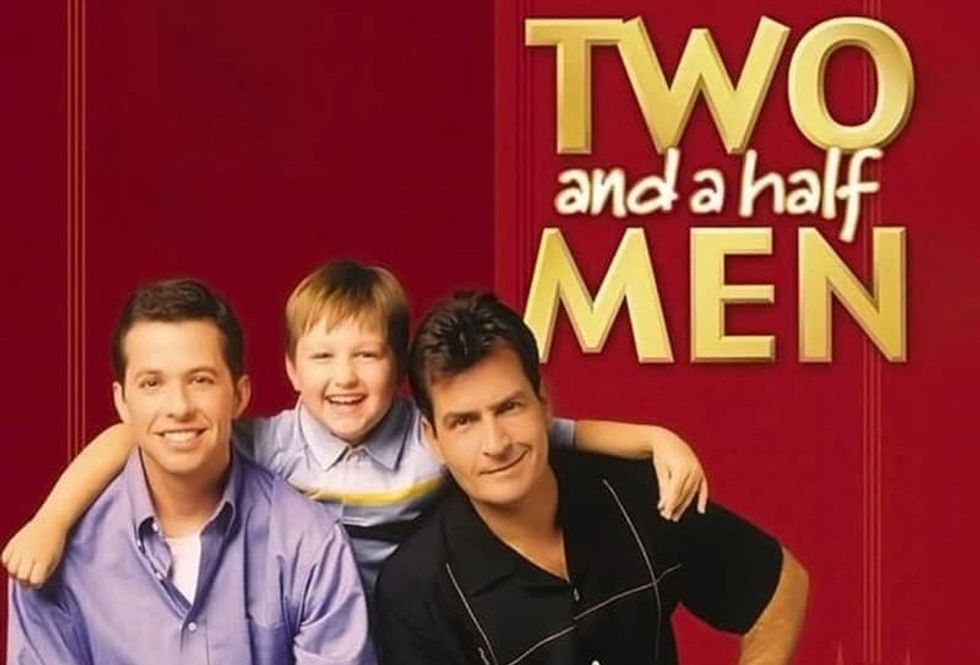
Two and a Half Men continues to air on TV and stream across platforms, but that doesn't mean its premise isn't controversial.
Charlie Sheen plays Charlie Harper, a man who routinely treats women as objects for his own pleasure and perpetuates harmful gender stereotypes. Not to mention, Charlie's behavior is showcased in front of his young nephew, Jake, who becomes privy to situations that are way too mature for a kid.
Sure, there is humor in the tension between Charlie and his brother, Alan. Nonetheless, the line between comedy and inappropriate content is definitely blurred.
HBO Max
Entourage (2004–2011)
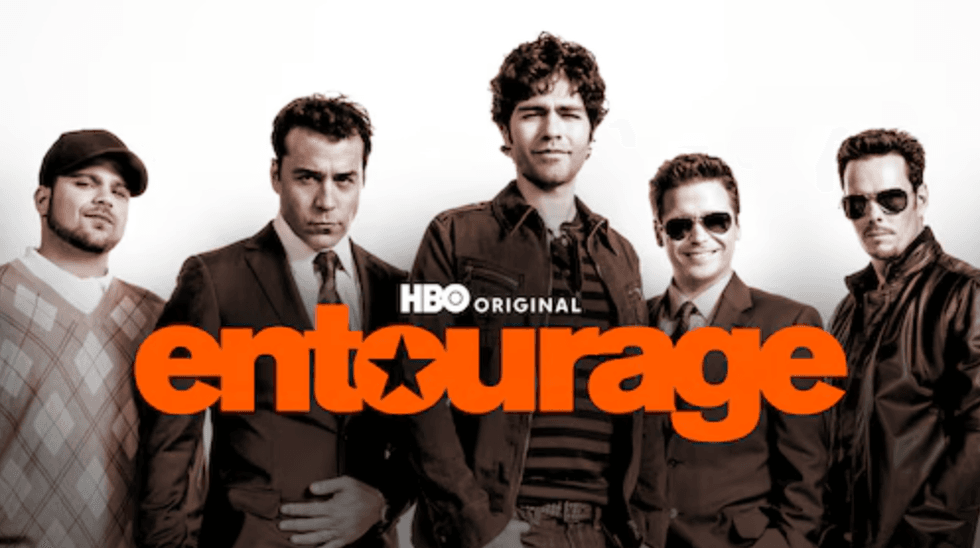
When Entourage premiered, it was sold as the ultimate Hollywood fantasy: fast cars, celebrity parties, and endless success. Today, the show's "bro culture" often overshadows its charm. Female characters are frequently reduced to love interests or accessories, while misogynistic jokes and objectification are treated as everyday banter. What once felt aspirational now reads more like a snapshot of Hollywood before the industry began reckoning with gender inequality.
Amazon Prime
Beauty and the Geek (2005–2008)
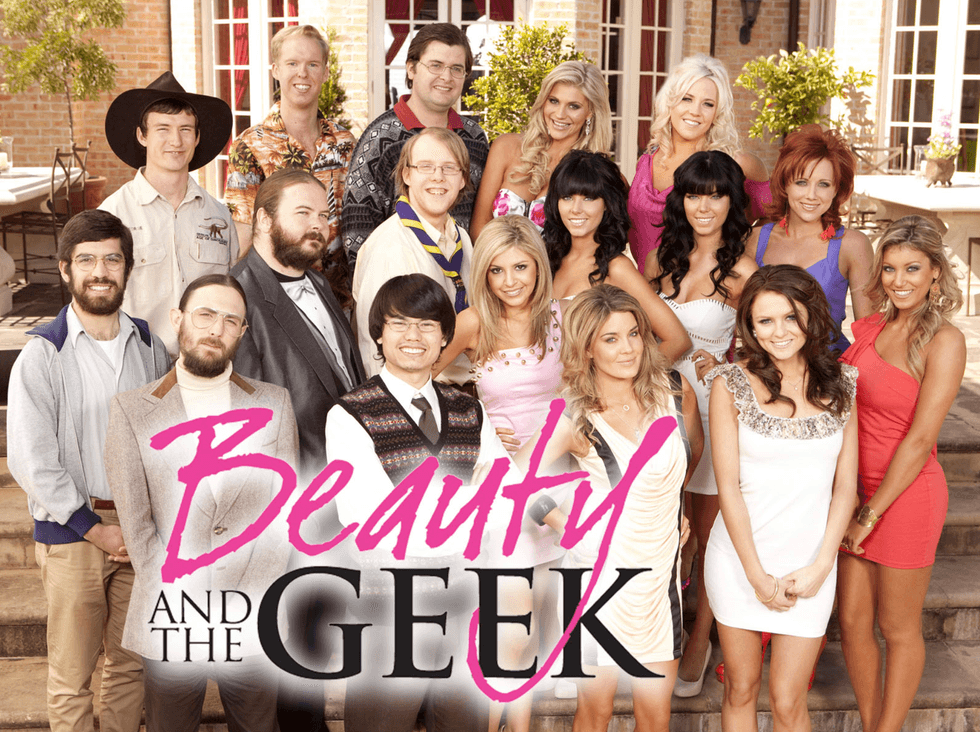
The reality competition paired conventionally attractive women with socially awkward "geeks" in hopes that each group would learn from the other.
The problem? The show's entire premise depended on stereotypes—that beautiful women couldn't be intelligent and smart men couldn't possibly be stylish or socially successful. Those simplistic labels feel especially dated today, when conversations around identity are far more nuanced.
IMDB
The Biggest Loser (2004–2016)
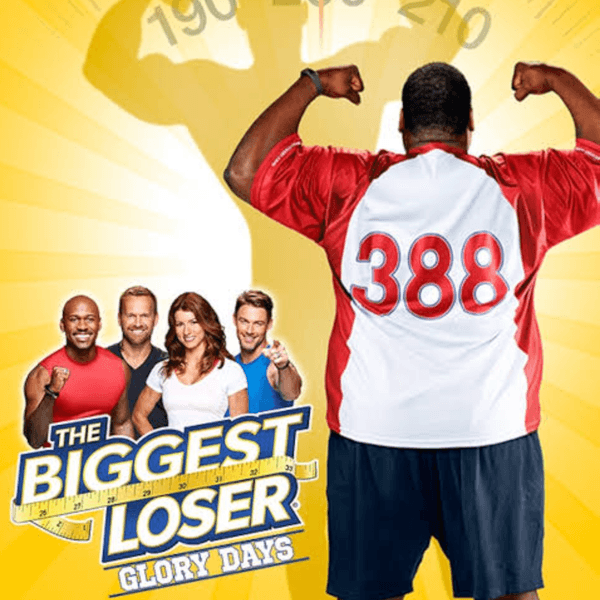
The competition inspired countless viewers to prioritize their health, but its methods are now widely criticized. Contestants were encouraged to lose weight at extreme rates through punishing workouts and severe calorie restrictions. Public weigh-ins and emotional breakdowns became weekly entertainment, reinforcing the idea that thinner always meant healthier. As conversations around sustainable wellness, mental health, and body positivity have evolved, The Biggest Loser feels increasingly at odds with today's understanding of long-term health.
ABC
Ugly Betty (2006-2010)
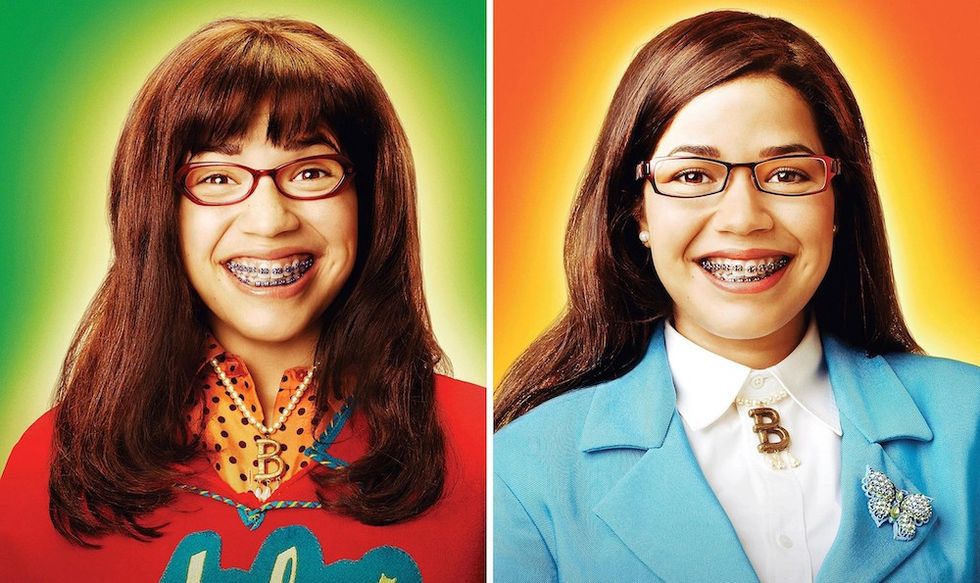
Both the title and plot of Ugly Betty probably wouldn't hold up if it were released today. The show revolves around Betty Suarez, played by America Ferrera, who is a smart, ambitious, and kind-hearted young woman. However, since she wears glasses, has braces, and doesn't follow fashion trends, she's deemed "ugly" and deals with constant ridicule after landing a job at a fashion magazine.
It's undeniable that Ugly Betty is packed with both funny and heartfelt moments. Nonetheless, the way the show treats Betty's looks and reinforces harmful beauty standards feels super outdated in our more body-positive and inclusive era.
CBS
The Big Bang Theory (2007-2019)
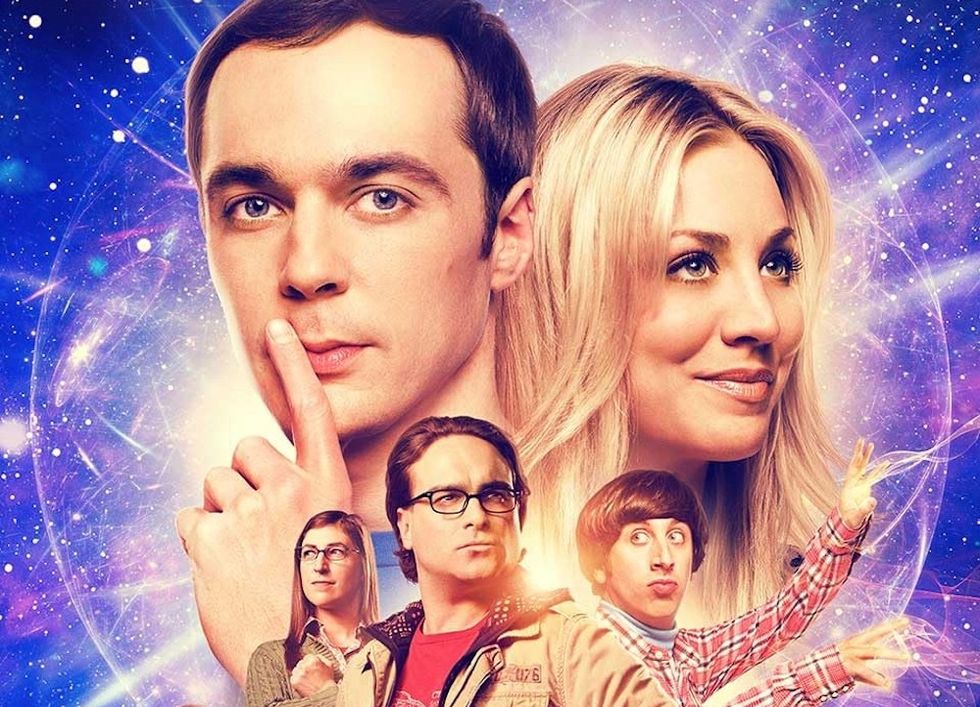
The initial appeal of The Big Bang Theory centered around nerd culture being quirky and odd, but today, this kind of "otherness" just isn't considered funny anymore.
Each character also has their own specific issues, with Raj's selective mutism being played for laughs, Penny embodying the "dumb blonde" stereotype, and Sheldon's behavior that's exaggerated for comedic effect. In 2025, this sitcom seems repetitive and shallow since it leans too heavily on stereotypes.
Looking for more TV & entertainment news? Follow us on Facebook!