
 Recommended for you
There’s no doubt a link exists between mental and physical health, but it can sometimes be difficult to tease apart fact from conjecture when it comes to the mind-body connection. The internet is full of so-called experts on the subject, and thousands of books claim to have the answers. Where do you look for an authoritative take?
One helpful place to start is with medical professionals who coexist in both conventional and alternative approaches to wellness. We’re thrilled to share a handful of our favorites! These five books come from board-certified doctors and psychologists with one foot in the world of complementary medicine. Each explores verifiable proof of the mind’s power over the body, while maintaining a healthy respect for the great mystery that is the mind-body connection.
<em><a data-affiliate-link="" href="https://www.amazon.com/Spontaneous-Healing-Discover-Embrace-Maintain/dp/0804117942/?tag=bm01f-20" rel="noskim" target="_blank">Spontaneous Healing</a></em>
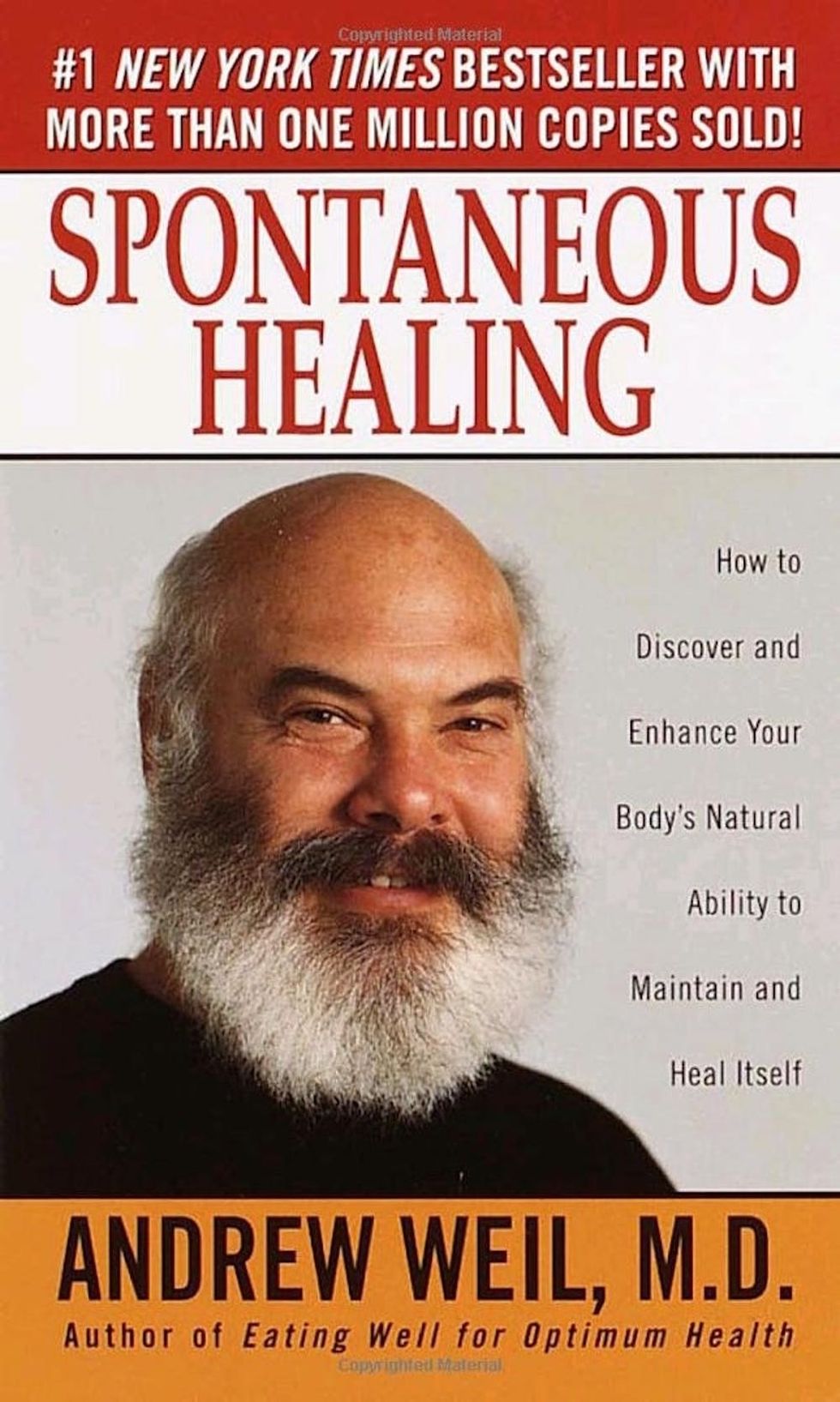 You don’t have to believe in miracles to acknowledge that sometimes the body heals itself against all odds. Dr. Andrew Weil’s seminal work Spontaneous Healing offers an exploration of how and why this sometimes occurs. Each chapter discusses patients Weil has seen recover from supposedly incurable conditions. The common threads? Joyful life experiences, positive beliefs, and emotional healing.
<em><a data-affiliate-link="" href="https://www.amazon.com/Healing-Back-Pain-Mind-Body-Connection/dp/0446557684/?tag=bm01f-20" rel="noskim" target="_blank">Healing Back Pain: The Mind-Body Connection</a></em>
 John Sarno was an attending physician at a well-known medical institute in New York when he noticed a curious pattern in his patients. MRIs of patients who suffered crippling back pain often revealed no physical abnormalities, while those who reported perfect health frequently turned up with herniated discs, pinched nerves, and other (ostensibly) painful conditions.
<em>Mind Over Medicine</em>
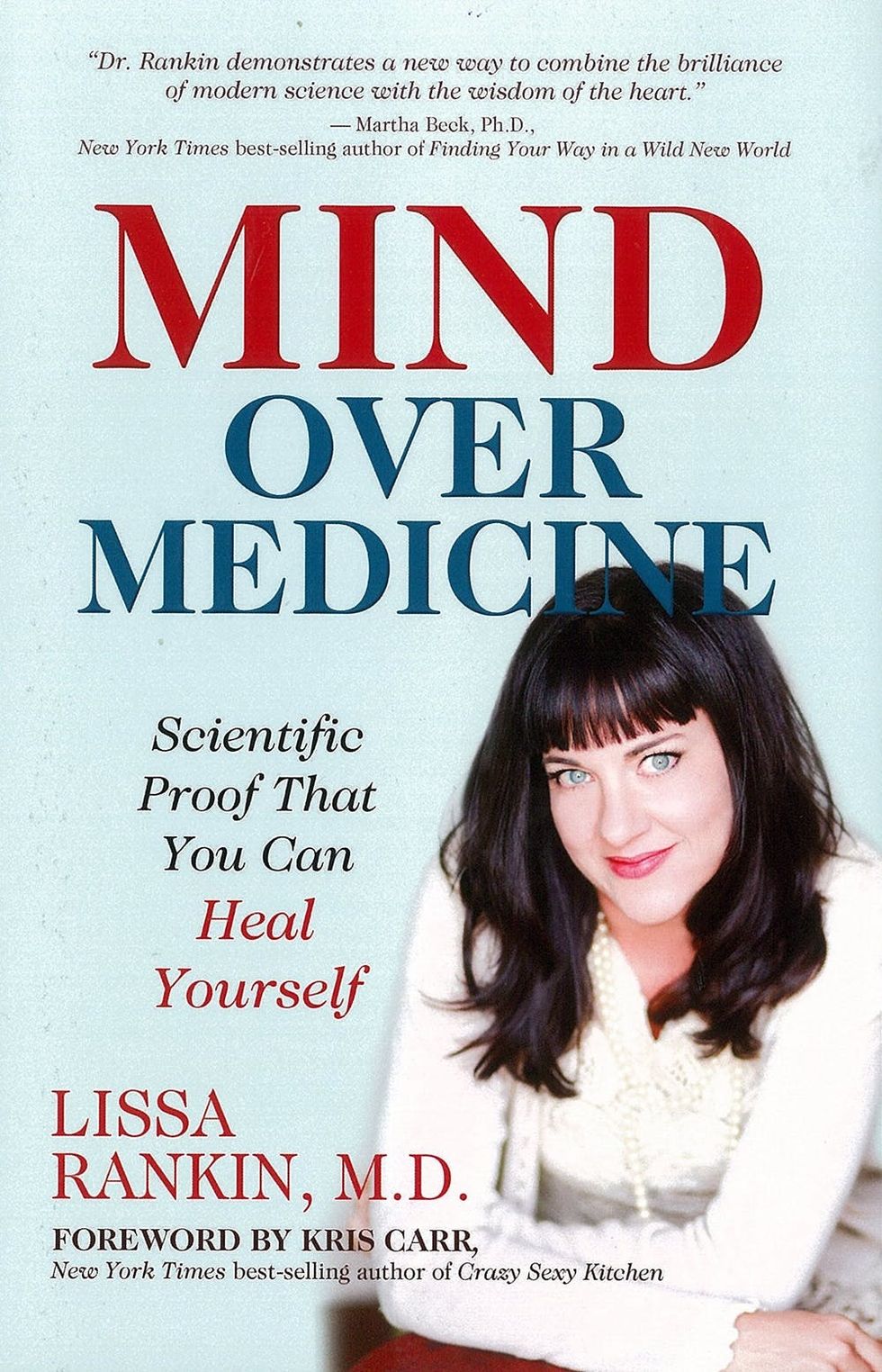 Written by a Gen-X obstetrician-turned-holistic healer, Mind Over Medicine reads like your gal pal’s guide to the mind-body connection. Lissa Rankin, MD focuses primarily on the incredible power of belief on our health. Taking the reader on an extraordinarily readable meta-analysis of hundreds of studies, she proves that the often-disparaged placebo effect is actually a very good thing. People who believe a treatment will work or think positively about their health often tend to prove themselves right.
<em> <a data-affiliate-link="" href="https://www.amazon.com/Its-Not-Your-Head-Sick/dp/1572309938/?tag=bm01f-20" rel="noskim" target="_blank">It’s Not All in Your Head</a></em>
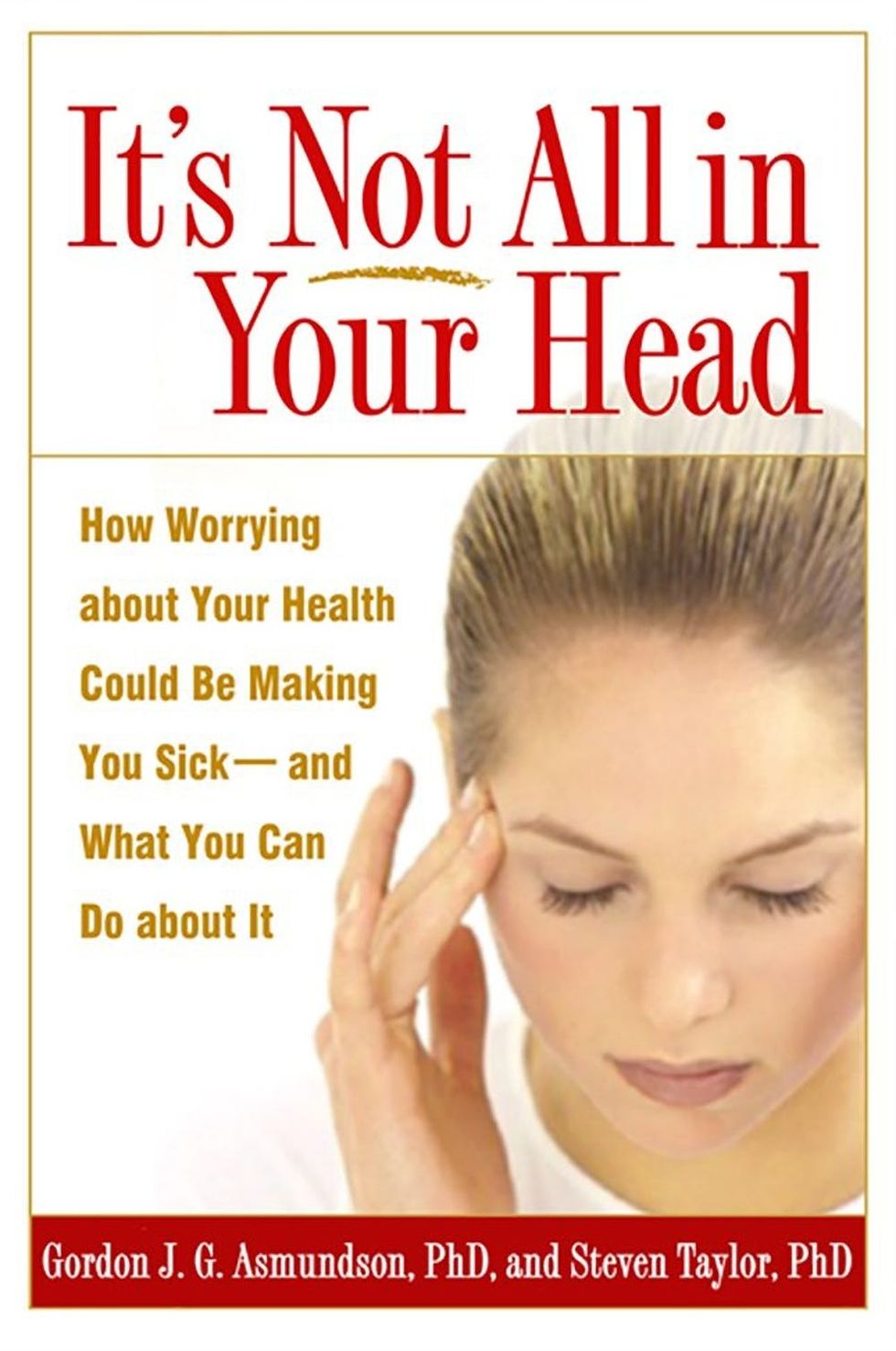 Health anxiety is a vicious cycle — one that Canadian psychologists Gordon Asmundson and Steven Taylor have seen all too often. Noticing a distressing physical symptom can lead to obsessing over it. This obsessive anxiety, left unchecked, has the power to actually produce symptoms of its own, creating a tangled web of mental and physical problems. This book helps separate truth from fiction when it comes to knowing what’s really of concern, and when you might be inadvertently causing your own suffering. If anxiety about your health has ever gotten in the way of your quality of life, It’s Not All in Your Head! is a must-read.
 <em>They Can’t Find Anything Wrong!</em>
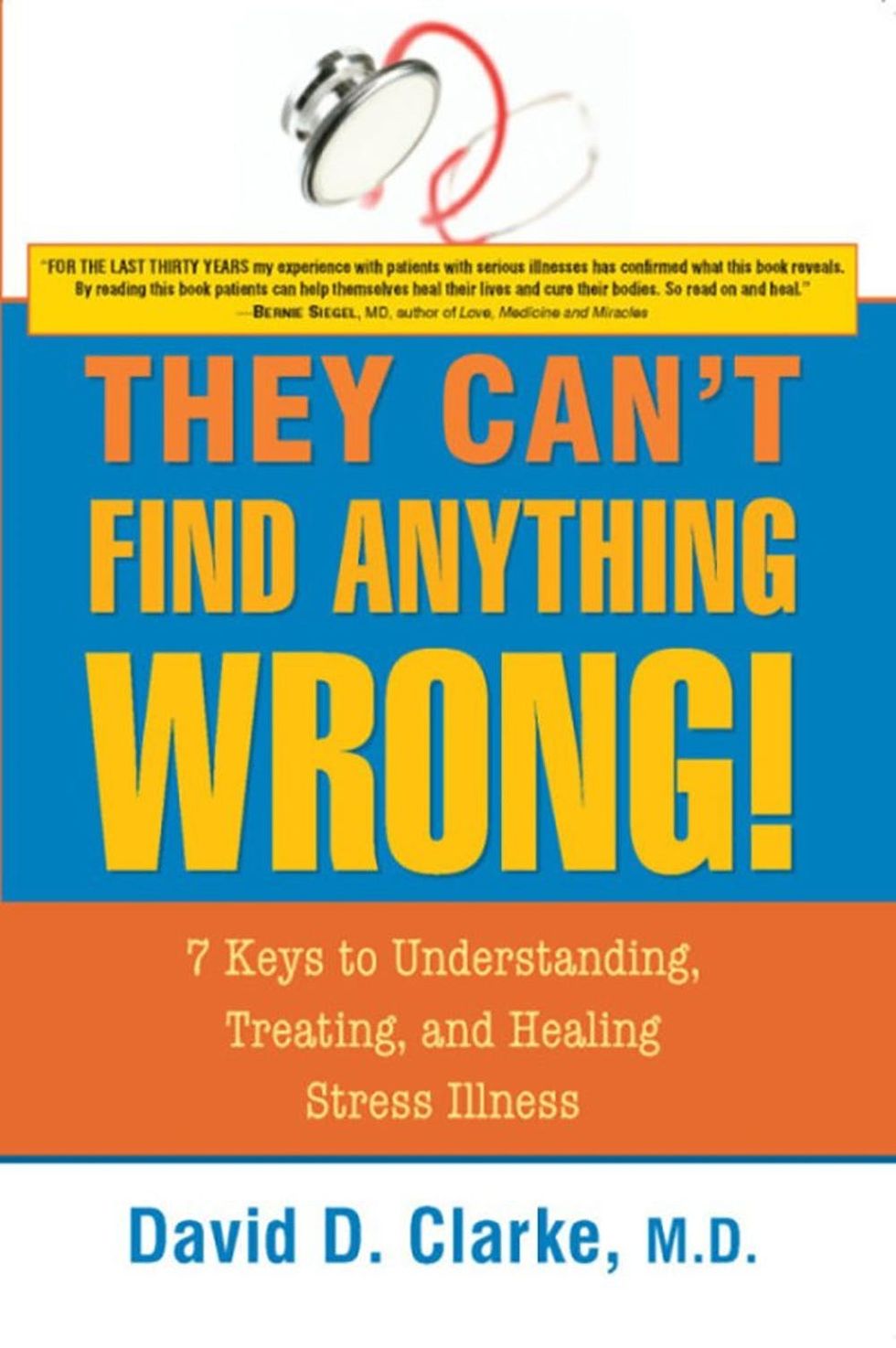 Ever been to the doctor for a troubling physical problem, only to be told your tests are all normal? While this news should theoretically reassure us, it comes as rather frustrating feedback when our symptoms are very real. Clarke claims that “stress illness” — symptoms that are indeed real, but not caused by anything physical — could be the culprit behind up to half of Americans’ visits to the doctor.