 Recommended for you
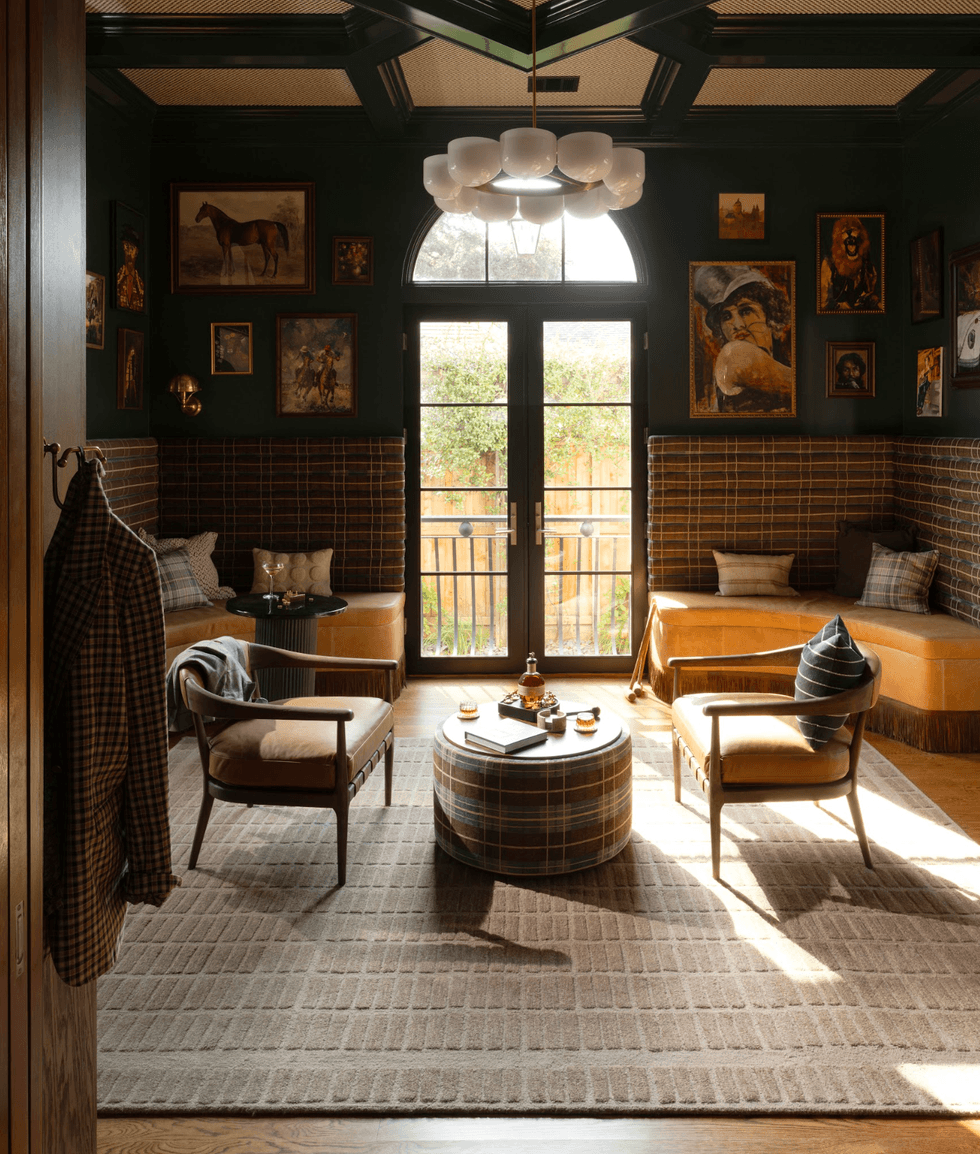
Does your home feel a bit chilly as the temperature drops? Often, it takes just one minor shift to transform the entire mood of a room. Ginger Curtis, founder and CEO of Urbanology Designs, HGTV Designer of the Year, and Architectural Digest-featured designer, shares her hot takes on why so many spaces miss the mark on feeling cozy this time of year. In her words, "cozy isn't an aesthetic, but an emotional response to a space where the elements of discovery as well as curiosity are everything." She shares some of her beautiful design work as an example of ways to do it right.
Here's her list of what most people get wrong when it comes to cozy.
Jack Thompson
Scale
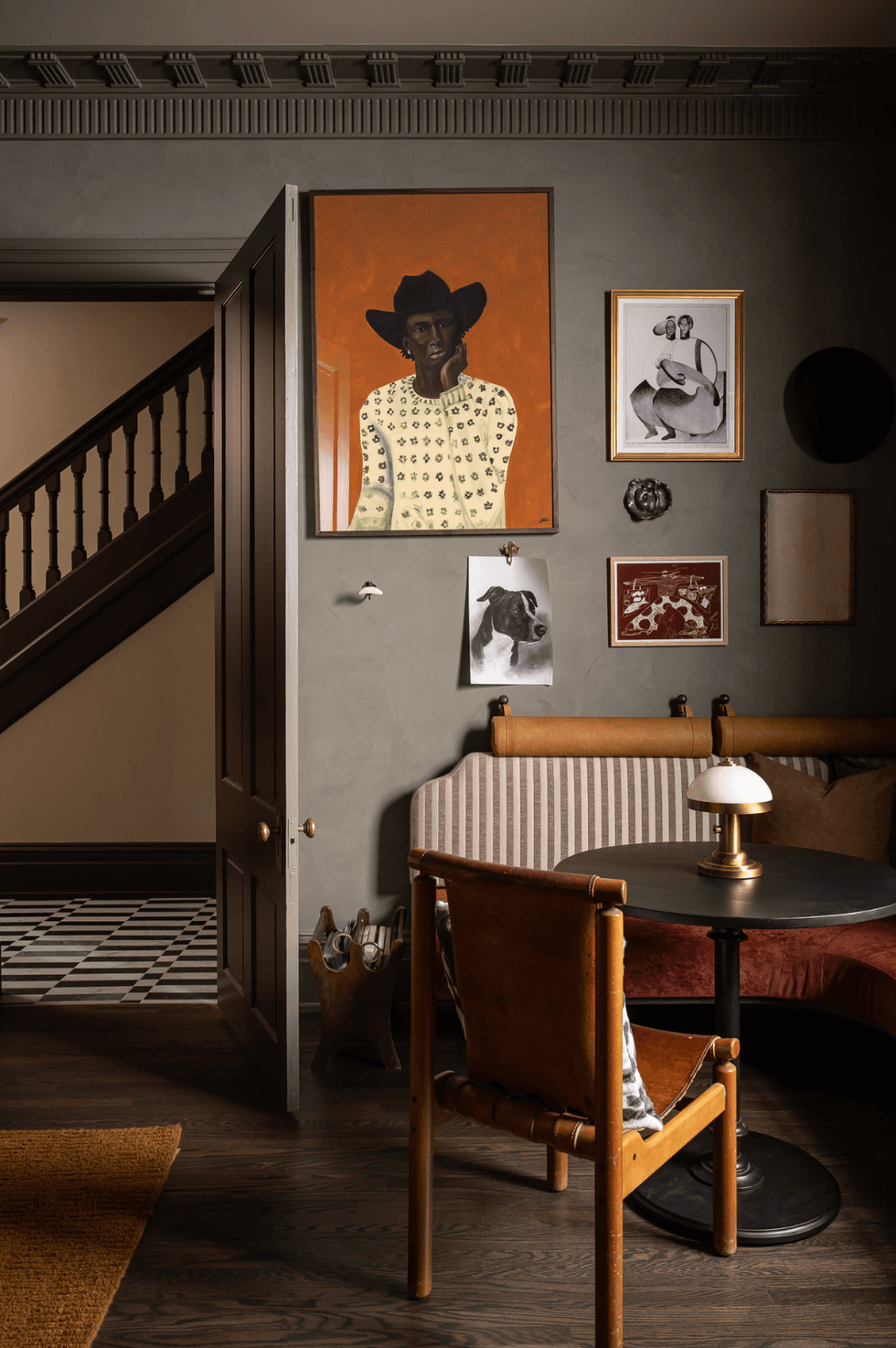
The number one thing I instantly notice in rooms that don’t feel cozy is scale. We see this a lot because we have these really large homes with expansive ceilings, but often it’s because the furniture is too small. It feels like dollhouse furniture floating in the middle of the room with the wrong size rug, so everything feels off. It can also be the opposite issue where you have a room that’s more cozy and intimate, yet the furniture is stuffed in, making it hard to move around.
Design tip: Avoid the "dollhouse furniture" effect and make sure your furniture fits a large or small space comfortably.
Sarah Shields
The Perfect Room
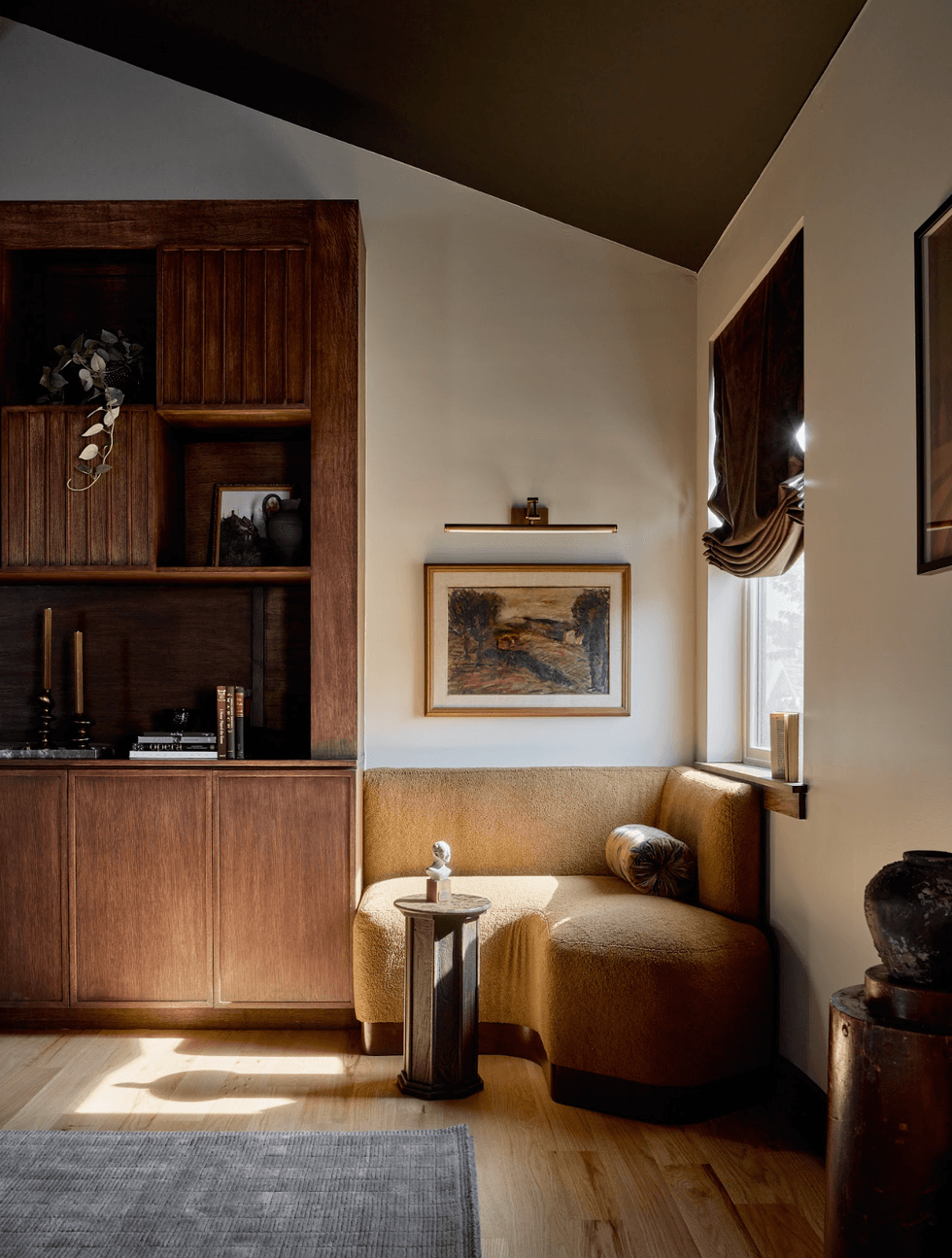
Something else that really throws a room is when everything is too new, too perfect, too polished. There's no patina or worn wood, handmade pottery or art with a lovely chipped frame. When there’s no irregularity, everything feels installed or too beautiful to touch, which has a domino effect on the overall feel of the space. It’s harder to relax and get lost in a conversation. Focus on introducing pieces with age rather than just simply adding seasonal decor. Or, bring out pieces that mean something special to you, but that also remind you of the fall. That could be dishware or a piece of art that captures the essence of fall.
Design tip: Introduce items with age and history such a vintage art or handmade pottery.
Stephen Karlisch
Lighting
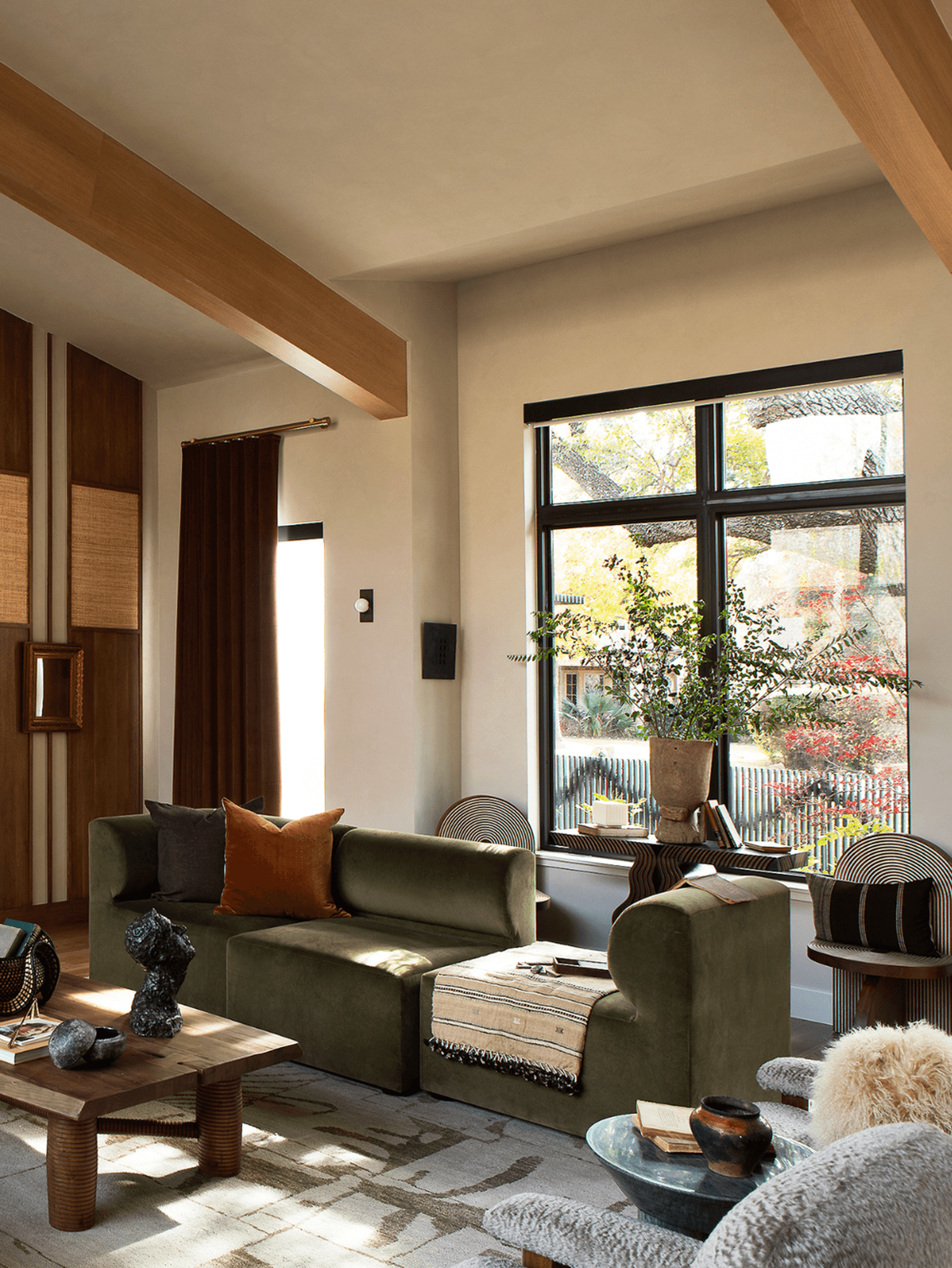
Lighting is huge because no matter how beautiful or how gorgeous your room is, the wrong lighting can turn it into a space that feels completely and emotionally wrong. A beautiful room can still feel uninviting when it relies heavily on just overhead lighting, which actually doesn’t do anything for our circadian rhythms or cognitive function. We need lighting at eye level. We need those task lamps with color temperatures that are warm. With fall around the corner, this is one of the easiest things you can do to make your home feel cozier. Swap blue lighting, which feels sterile and cold, for warm lighting, always.
Design tip: Soften a room with lighting at eye level, not just overhead.
Matti Gresham
No “Living” Evidence
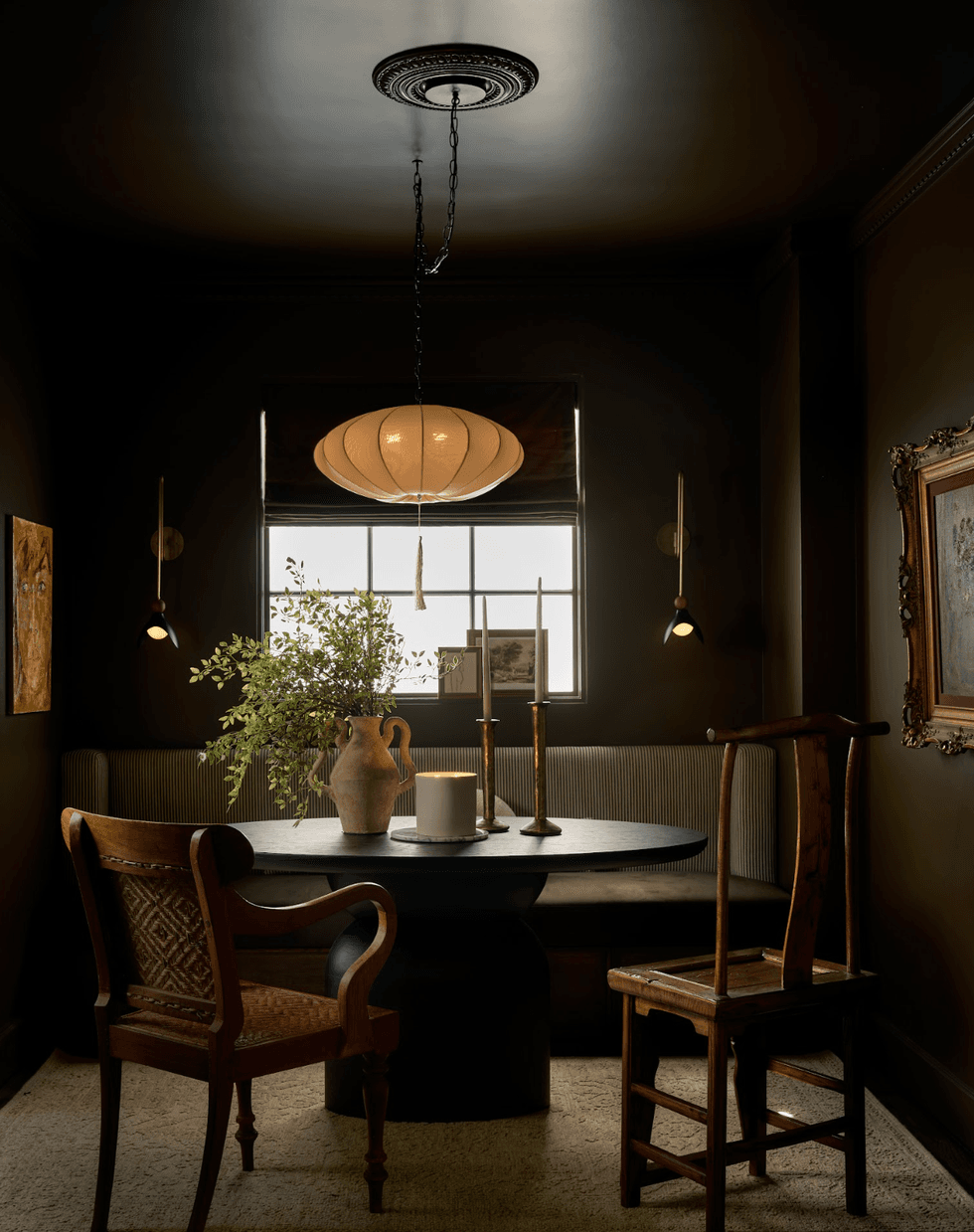
A home doesn't feel cozy when it's missing evidence of people who actually live there. I think as a society, and in the design world, we’re starting to have more awareness of this. The best homes are curated with items that have stories. For example, in my own home, I have paintings that were done by my grandfather who was colorblind, and I love telling his story. They’re personal to me and they’re a great example of how something so simple can have the power to connect and bring people together. These items don’t have to be expensive, yet they’re the difference between a room that feels put together and one that’s curated and soulful. A home needs to feel deeply personal rather than trend driven.
Design tip: Layer in personal items that tell a story, whether through art or family heirlooms rather than relying on trend-driven decor.
Stephen Karlisch
No Natural Elements
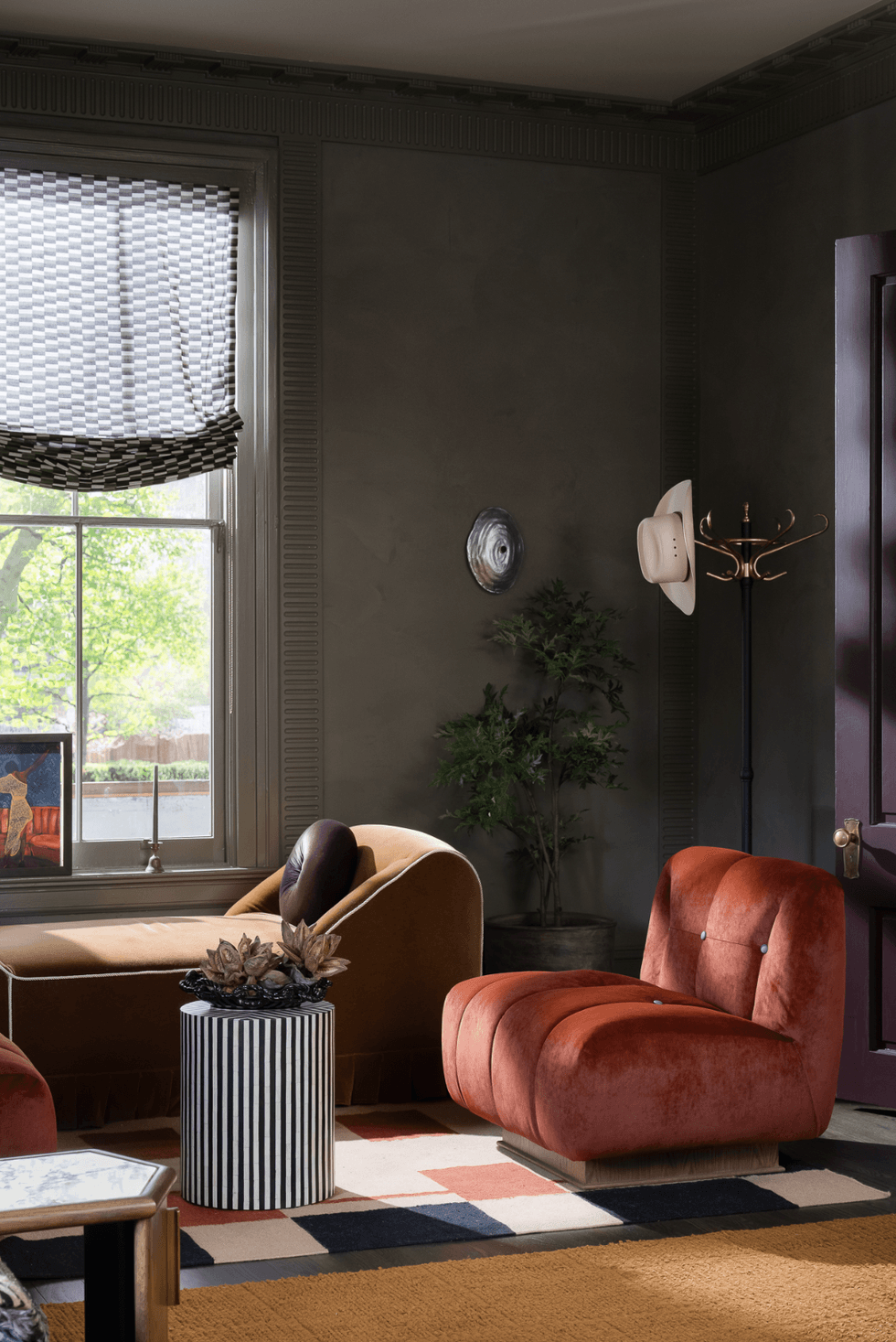
When a room is missing natural materials, it can feel highly synthetic and emotionally flat. Bring out the wool, the leather, stone, and even plaster materials that provide variation and give the eye something more complex to explore. This is 1000% what neuroaesthetics is about because these are the elements that elicit an emotional response when placed properly in a room.
Design tip: Bring in tactile materials like raw wood, leather, stone, and organic materials including plants.
Sarah Shields
Too Perfectly Coordinated
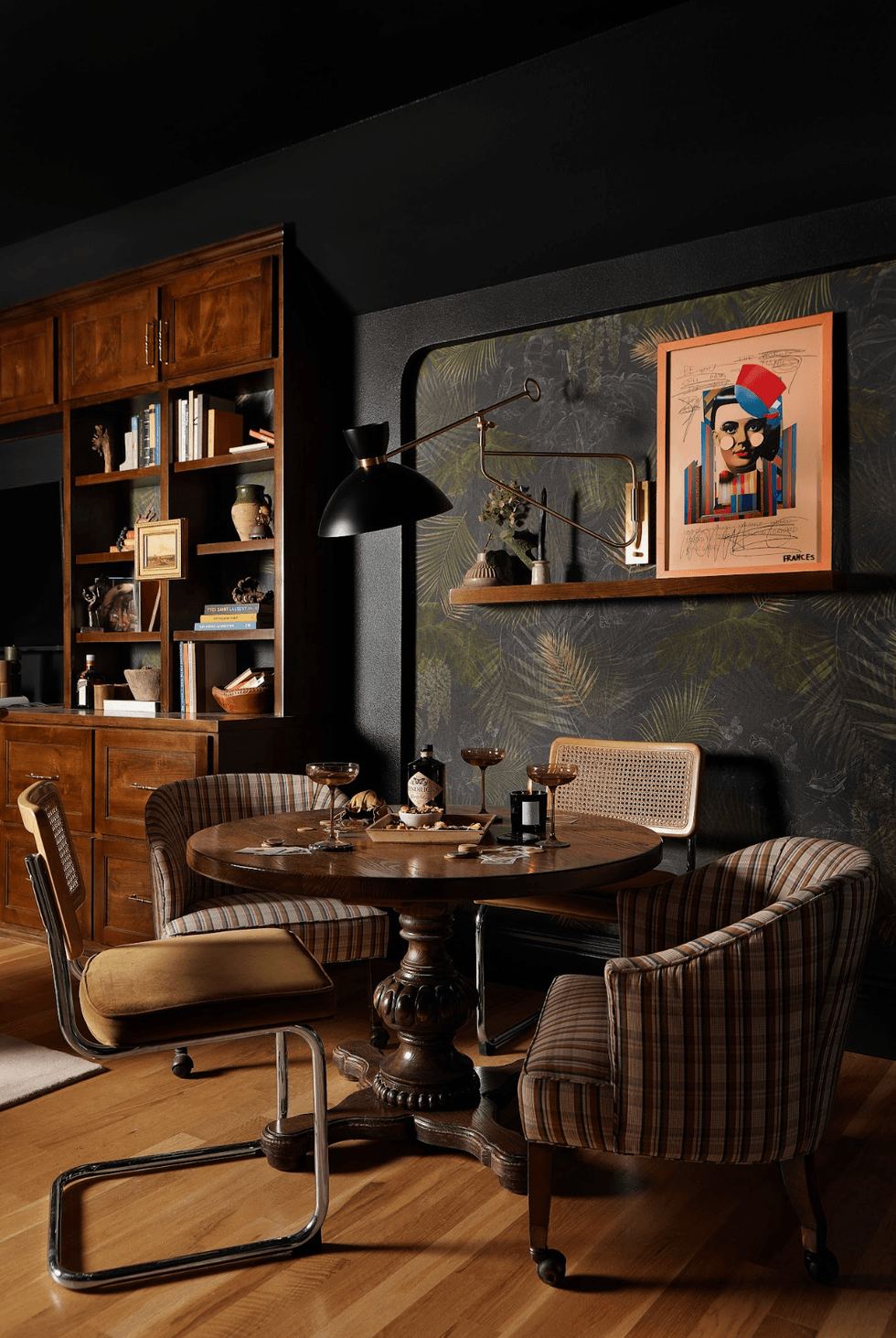
When things are too coordinated, a space can feel like a matching set from a big-box retailer with no variety. Our brains respond to discovery, so when there's nothing to discover, the room feels emotionally flat. We actually need that tension and contrast. Old meets new, rough and refined, humble and beautiful. A room that’s too coordinated doesn’t feel real in the first place. To me, Fall is synonymous with discovery and unique combinations. It’s all about mixing textures and objects that create layers.
Design tip: Tension is your friend! Create visual contrast by mixing old with new, rough with refined, instead of buying a matchy-matchy set from a big box retailer.
Matti Gresham
A “Check List” Room
For me, an unfinished room is when someone puts the main pieces in a space just to check them off a list. What that translates to is a room that isn’t layered. It’s missing texture. Where’s the worn basket? The wool throw? The personal piece of art? We experience texture visually with our eyes, but we also experience texture with our skin when we sit on a mohair sofa, or curl up with a wool blanket, or rub our hand against a plaster wall. From a neuroaesthetics perspective, our brains are longing for this type of engagement because it can mean the difference between a room that makes us feel safe and secure, or one that quietly pulls us down.
Design tip: Move past basic and layer in items like woven baskets, wool throws, or if you have the time, a textured wall finish.
Don't forget to sign up for our email list to get all our shopping guides, DIY tutorials, and home decor inspo delivered to your inbox!