 Recommended for you
The Gen Z stare. If you've been on TikTok lately (or visited a local Starbucks), you've probably seen it. And if you've seen it, then you've also felt it: the unblinking and quiet judgment of a person born after 1997. Is this typical "olds complaining about kids today" nonsense that's always existed? Maybe not: even HR professionals are picking up on it, to say nothing of your aunt Sally. But what exactly is this "Gen Z stare"? Is it the irked attitude of Gen Z on display for us all to see, or is it a window into some significant changes in our social fabric?
Scroll to finally find out what the "Gen Z Stare" is...
What is the Gen Z Stare?
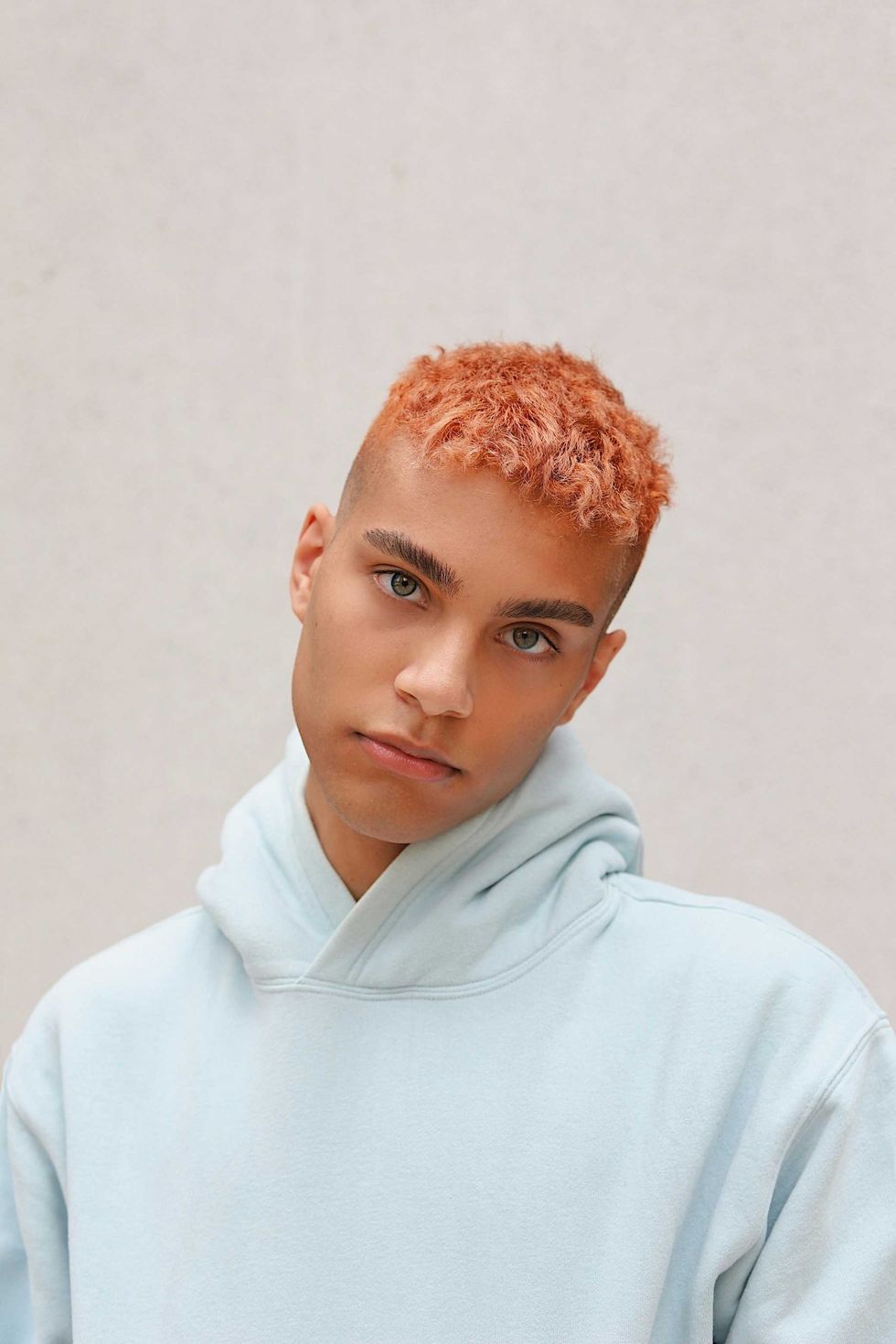
Photo by Good Faces on Unsplash
Picture this: you're ordering your coffee, making polite small talk ("oh yes, the weather is weathering"), and the barista... stares. Blankly. Expressionlessly. No "hi," no "thank you," no "yes indeed the weather is weathering," just a vacant gaze. That, my friends, is the Gen Z stare. It replaces traditional greetings and pleasantries, particularly in service roles. Think of it as the inverse of the "millennial pause," where the camera takes a moment to start recording. Here, the person seems to pause their entire facial expression.
Why is Everyone Talking About It?
 What Is The "Gen Z Stare" — & Why Are People Doing It?Photo by Wesley Tingey on Unsplash
This isn't just confined to awkward coffee shop encounters. The Gen Z stare has quickly become a hot topic on Reddit forums, such as r/generationology and r/TikTokCringe, where people share their unsettling experiences. One Reddit user recounted a shop where the young counter attendant simply "stared blankly" at them, leaving them borderline crashing about what they did wrong. It's becoming a flashpoint in discussions about workplace culture and generational divides.
The Generational Divide

Photo by Good Faces on Unsplash
Millennials and older generations often interpret the stare as a sign of disengagement, or, in other words, rudeness. To Millennials, interacting with people in customer service means just that: interacting. Not so for all of Gen-Z.
Many argue that stare is a reaction to potentially awkward or nonsensical customer interactions. That's right: they are checking out of the experience in advance. For them, it's more important to be true to themselves than it is to be phony for minimum wage plus tips.
Impact on the Workplace
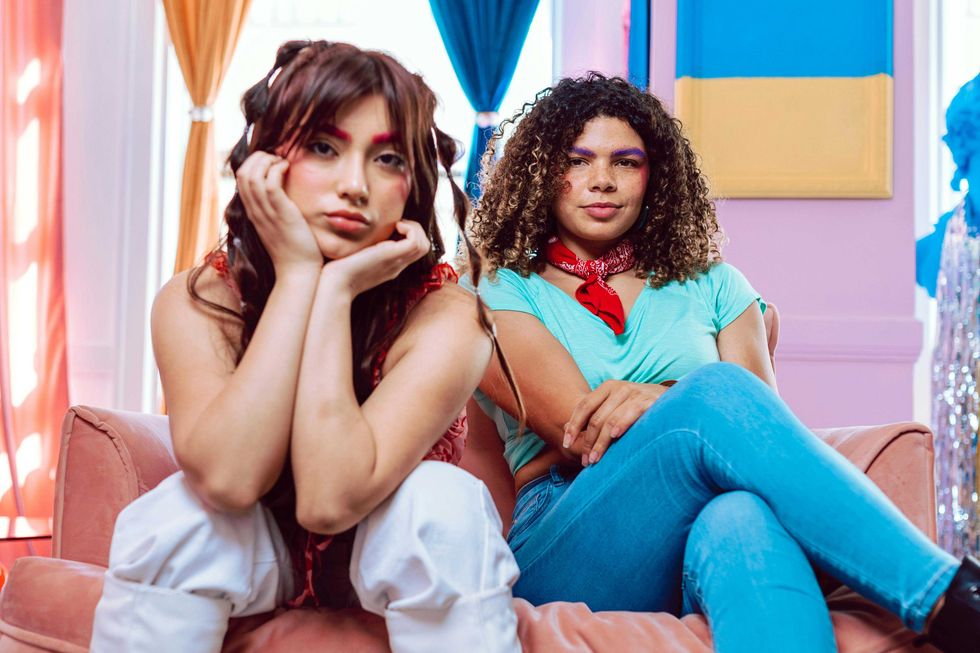
Photo by RDNE Stock project
Some speculate that the state could hurt our economy. Bad attitudes begetting lower productivity, blah blah. Others appreciate the "realness" of Gen-Z. The numbers about this are wild: 18% of managers polled are considering quitting their roles due to the challenges of managing Gen Z workers. 27% admit that they prefer not to hire Gen Z at all! Meanwhile, as Gen Z continues to grow up, what they love and endorse—and where they put their money—could trump old-school ideas about common courtesy.
What the Future Holds
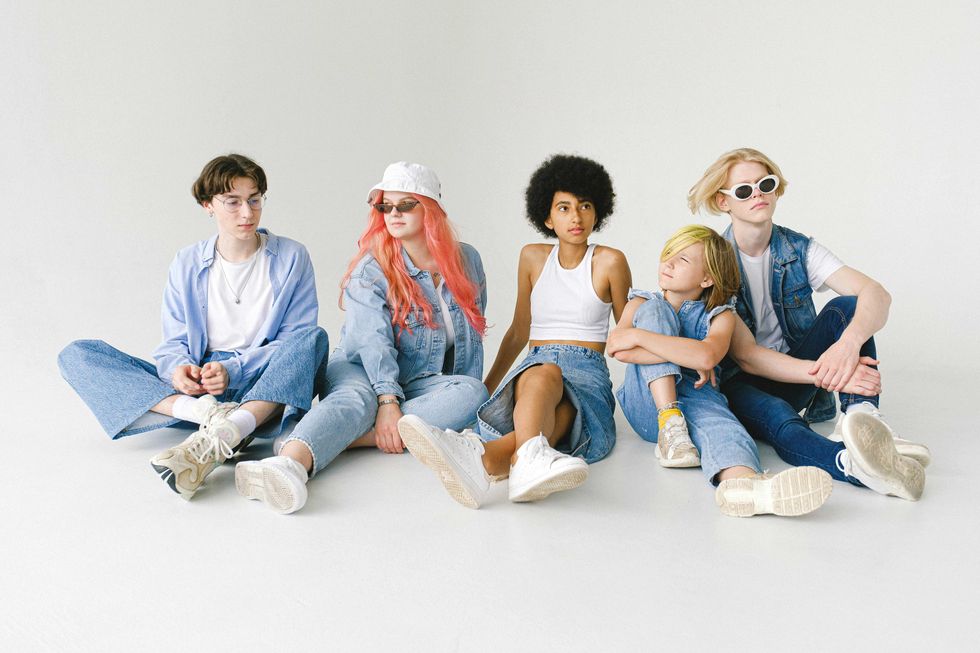
Photo by Anna Shvets
So, the Gen Z stare isn't just today's meme; it's a symptom of more profound economic and social shifts as the youngest working generation reshapes the labor market and, in turn, the world at large! Whether it's a sign of evolving communication styles or not, one thing's for sure -- all our eyes are on it.