
 Recommended for you

Have you ever brought home a new plant, given it a cozy spot near your window, and meticulously cared for it, only for something to go wrong? The truth is that even the most experienced or well-intentioned plant parents can still run into trouble.
Certain houseplants may seem low-maintenance on the surface, but remember, they're still living things that react to their environment. So, sometimes they thrive, and other times, not so much.
However, before you assume your green thumb has failed, keep in mind that most plant issues are fixable if they're caught early. So, here are seven common houseplant red flags and how to handle them.
Scroll to see what houseplant red flags you need to look out for — plus how to fix them!
1. Poor Growth
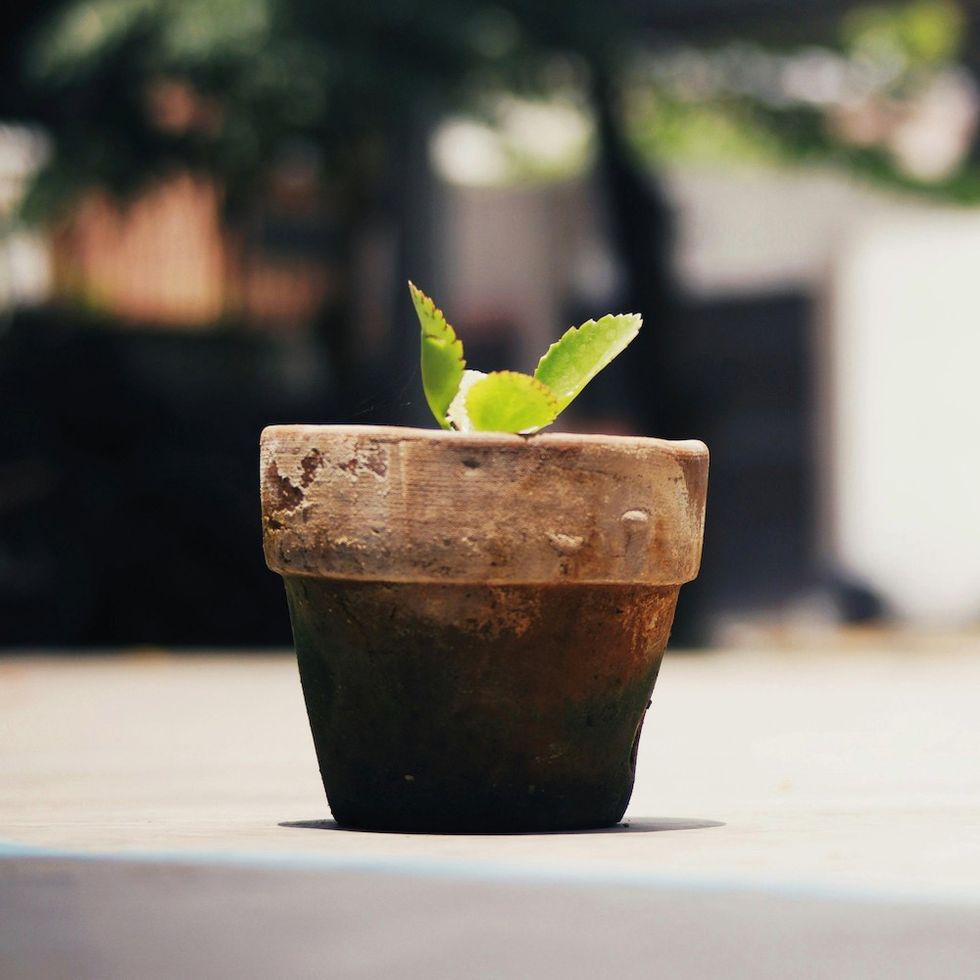
If your plant seems like it's stuck in place and just kind of existing, with no new leaves or noticeable growth, it could be struggling due to insufficient light. Despite some houseplants being labeled as "low light tolerant," that doesn't mean they actually prefer it.
There are many indoor plants that originate from tropical regions, where they're used to soaking up plenty of bright, filtered sunlight. And without enough rays, your plant won't have the energy it needs to grow, leaving it looking tired or dull over time.
To fix this, try moving your plant to a brighter spot near an east or south-facing window or supplement with a grow light if natural sunlight in your living space is limited.
2. Yellowing Leaves
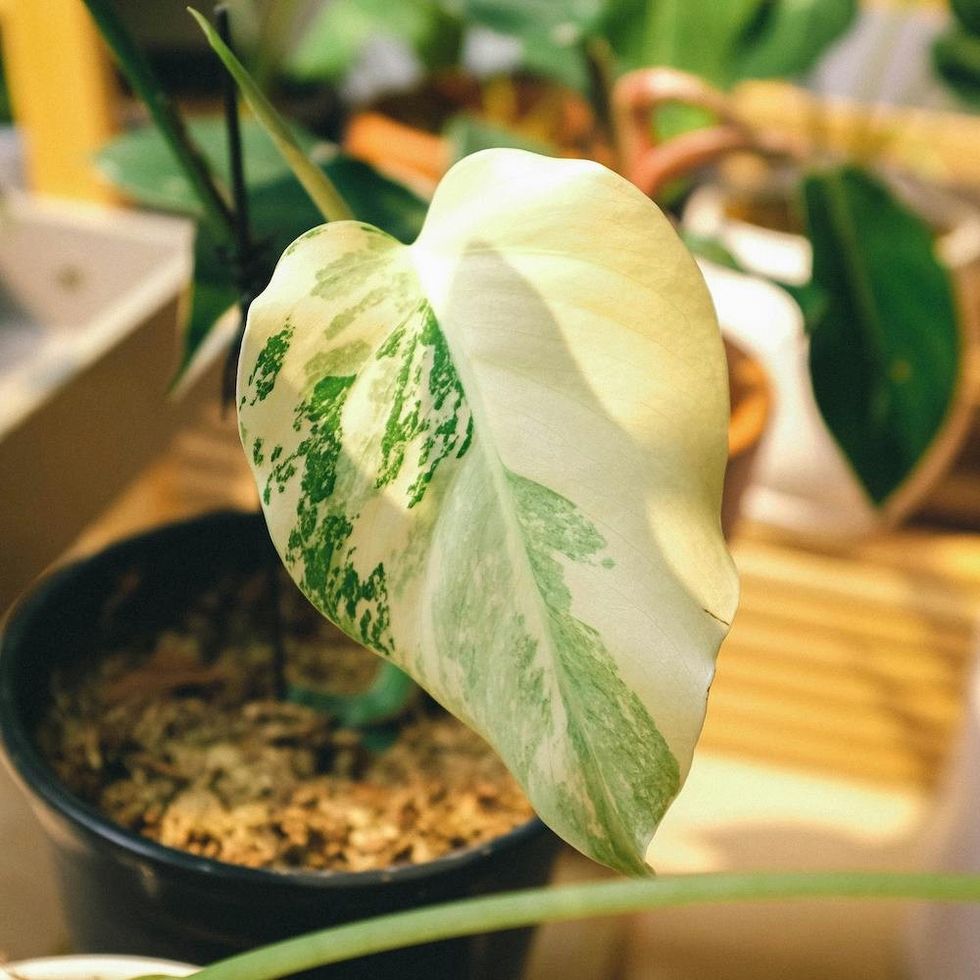
A few yellow leaves here and there aren't always a cause for panic. After all, older leaves naturally have to age out eventually. Yet, if you're noticing widespread yellowing, it's probably a watering issue.
Too much water may suffocate the roots, while too little will make your plant become dehydrated, and both situations can trigger leaf discoloration. So, consistency is key.
Check your plant's soil moisture with your finger before watering, and be sure your pot has drainage holes. If you've been a little overzealous with your watering can, just let the soil dry out prior to giving your plant another drink; otherwise, if your plant is too dry, water thoroughly and adjust your schedule moving forward.
3. Wilting Or Mushy Plant
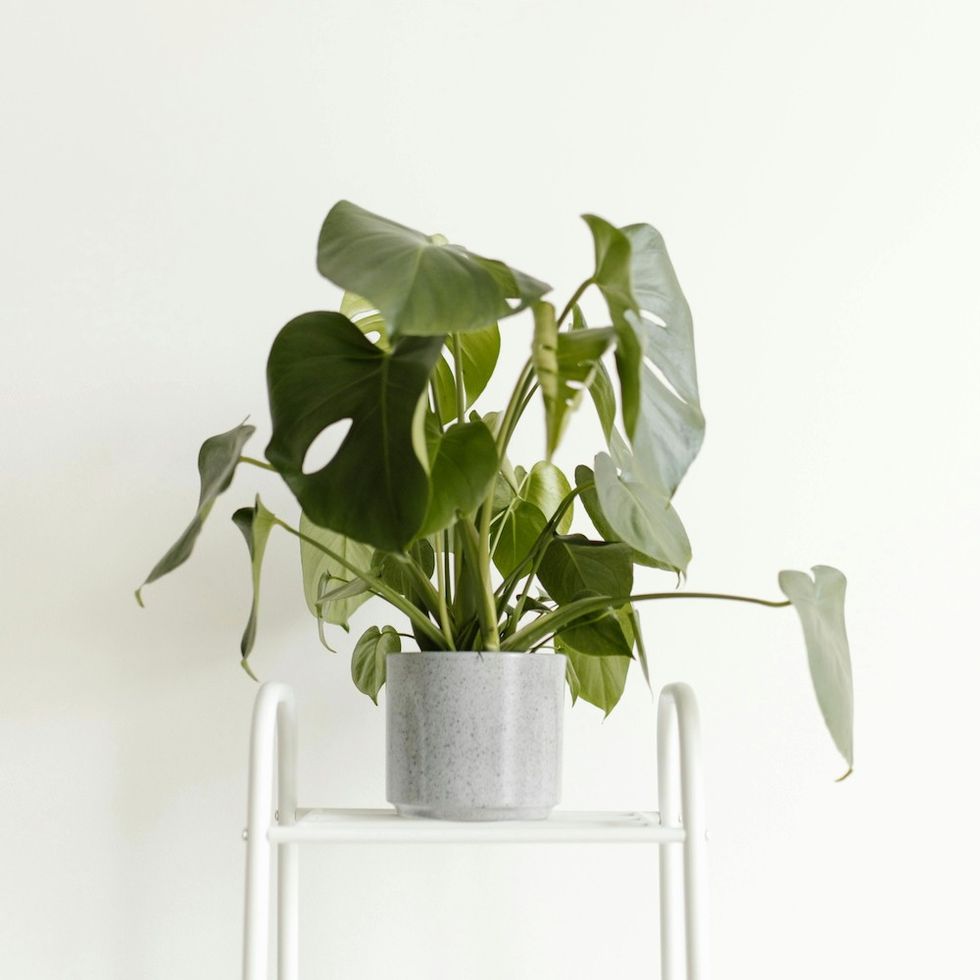
Wilting leaves tend to look like a cry for water, but that's not usually the case. If the soil is already wet and your plant looks floppy, you might be dealing with root rot caused by overwatering.
When roots sit in soggy soil for too long, they can't get the oxygen they need, which causes them to break down and the plant to collapse. You can gently lift your plant from its pot to inspect the roots, and if they're brown and mushy instead of white and firm, it's time to make a change.
You should remove the rotted roots, repot your plant in fresh, well-draining soil, and allow it to dry out a bit.
4. Leaves With Brown Edges
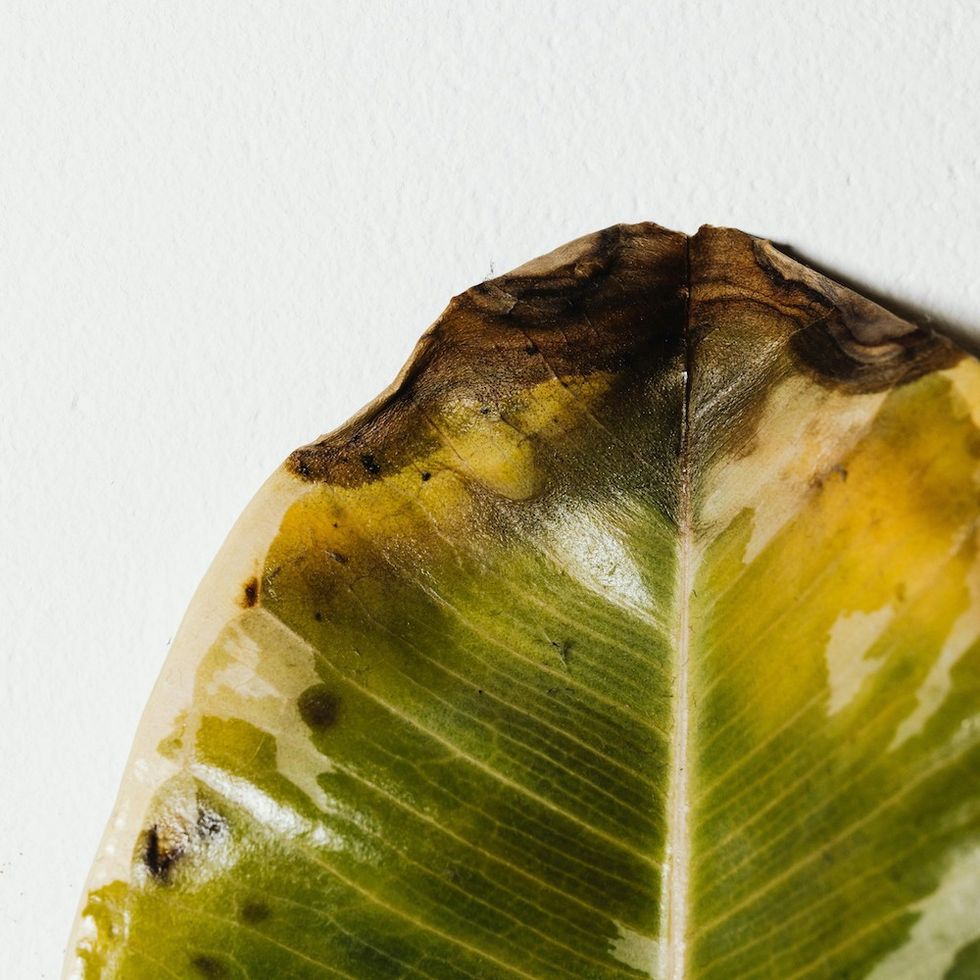
Crispy leaf tips can be tied to a number of causes, such as inconsistent watering, over-fertilizing, or environmental stress like heat or cold drafts. Certain plants that are more sensitive, including calatheas, are especially prone to brown edges when their needs aren't met.
To combat this issue, begin by checking your watering routine. Too much or too little will cause damage over time. Then, determine whether you've been fertilizing too often or too heavily. If that's the case, you can flush the soil with water or repot the plant in a fresh mix. Also, make sure the leaves aren't touching heaters or cold windows, which can dry them out and cause browning.
5. Scorched Leaves
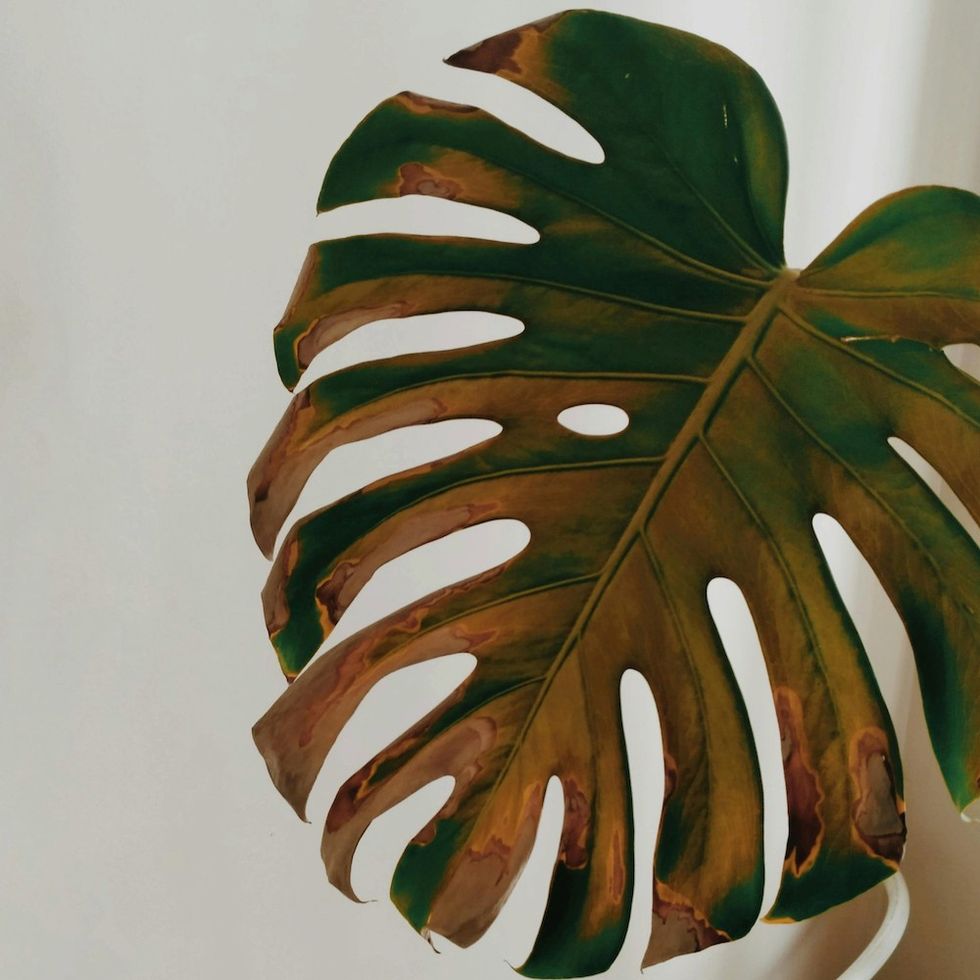
Unfortunately, sunburn isn't reserved for beach days! Plants can actually get it as well. If your houseplant's leaves are looking pale, bleached, or developing crispy patches, it's likely just getting too much direct sunlight.
There are some varieties that love full sun, but many prefer bright, indirect light. So, when they're moved from a low-light spot to, say, outside for the summer, they can scorch pretty easily.
That's why, if you're planning to transition a plant to more light, do it gradually. You can start by leaving it in shade or indirect light before slowly introducing it to brighter conditions over the course of a couple of weeks.
6. Sticky Leaves
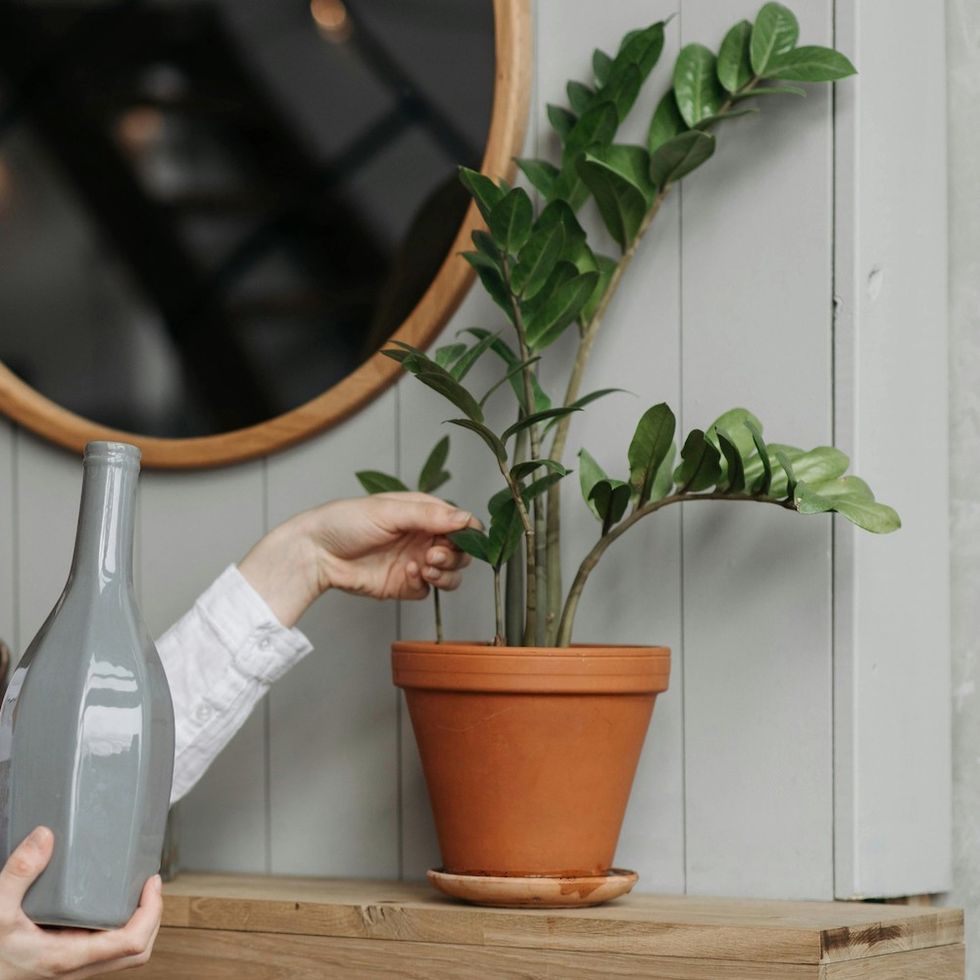
If your plant's leaves feel tacky or you notice a shiny, sticky residue, it's probably not sap. It's honeydew, a sugary substance secreted by pests like aphids, mealybugs, or scale. These bugs feed on plant sap and leave behind a mess that can attract mold and other issues.
The first step is to isolate your plant in order to prevent the spread. Then, take a closer look to identify the pest you're dealing with. Depending on what you find, you can rinse the plant with water, wipe down the leaves, or treat it with insecticidal soap or neem oil.
7. A Leaning Plant
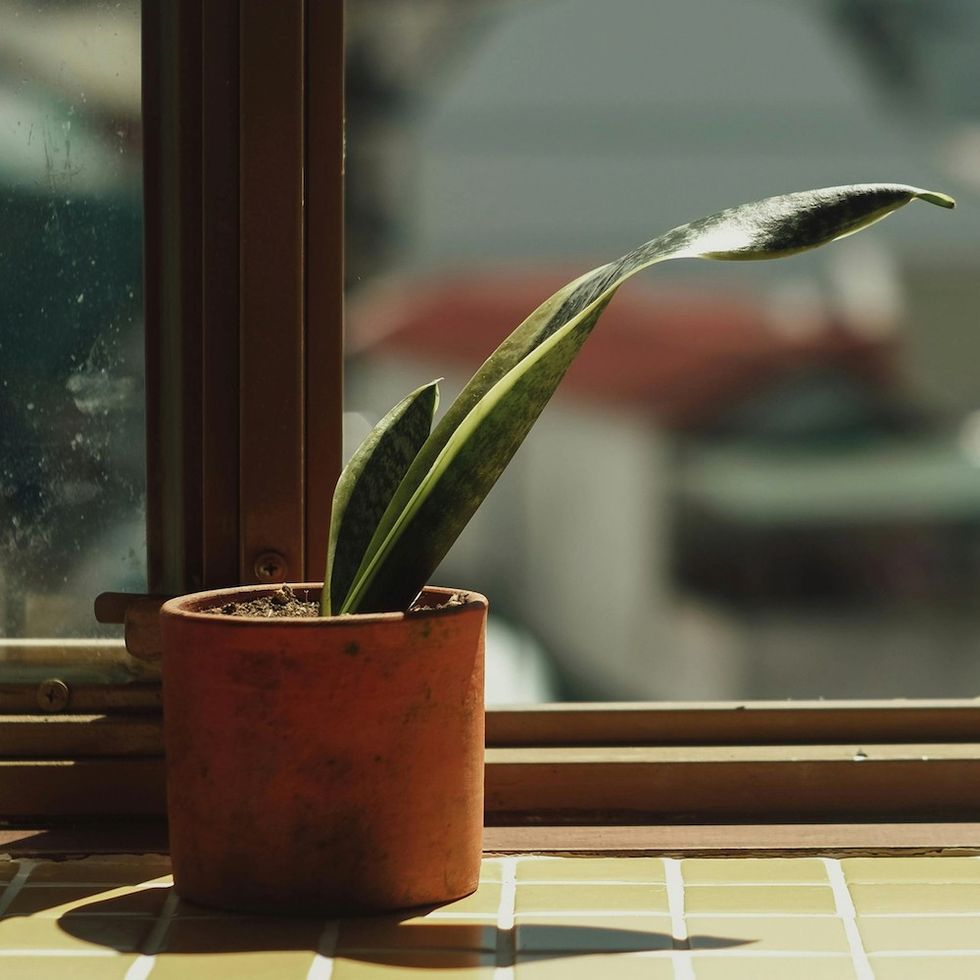
Lastly, when your plant starts leaning and looking as if it's reaching for something, it's likely trying to get some light. This "stretching" is known as etiolation and happens when a plant isn't getting enough sun exposure. So, it's attempting to grow toward the nearest source.
Succulents, especially, can become leggy and lose their shape when they don't get enough light. You can try rotating your pot every time you water to encourage even growth and, if possible, move it to a brighter location.
Looking for more home advice? Sign up for our newsletter so you never miss a thing!