 Recommended for you
Here's how to master a balanced pescatarian lifestyle.
A Healthy Way of Living
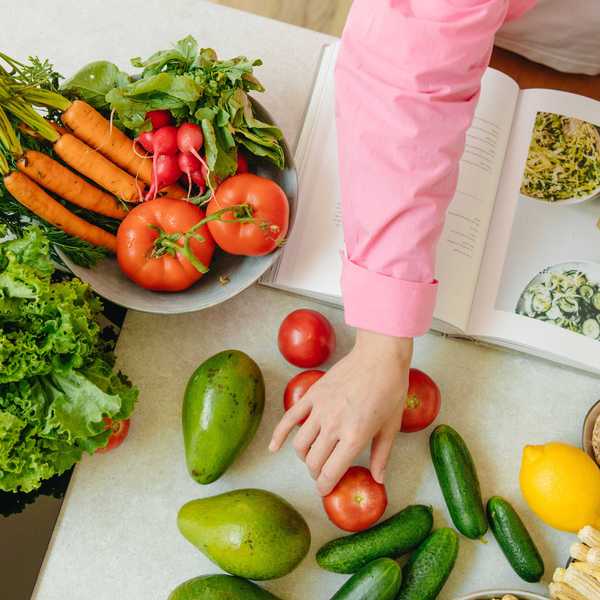
IARA MELO for Pexels
Contrary to popular belief, the pescatarian diet doesn’t require that you *only* consume fish. In fact, a lot of the diet is heavily influenced by vegetarianism. Pescatarians do get some of their protein from the sea, but they mostly depend on sources such as lentils, beans, nuts, seeds, dairy, and eggs. Since these seafood lovers don’t eat fish for dinner every night, it’s important to be acquainted with enough vegetarian-friendly recipes to ensure a well-balanced diet. If eating fish two to three times a week is the plan, think ahead and work plant-based proteins into your other meals, like big-batch vegetarian chilis, meatless lasagnas, or plant-based tacos.
When done properly, the pescatarian diet is definitely healthy. On top of all the fab veggies and legumes you’ll be eating, you’ll be getting a healthy dose of lean protein and omega-3 fatty acids from fish. Even in a standard diet, the American Heart Association suggests eating fish two to three times a week. Fatty fish that are high in omega-3 such as mackerel, lake trout, albacore tuna, salmon, and sardines are especially good.
On the flip side, there’s the threat of mercury. You need to know which types of fish contain high levels of mercury, dioxins, and other environmental pollutants so that you can indulge sparingly. Mercury is highest in larger fish and marine mammals like shark, swordfish, king mackerel, marlin, orange roughy, tilefish, bigeye tuna, and sadly, our beloved ahi tuna (womp womp). Definitely avoid these fish if you’re planning on becoming pregnant, are pregnant, or are nursing.
Shopping Seafood
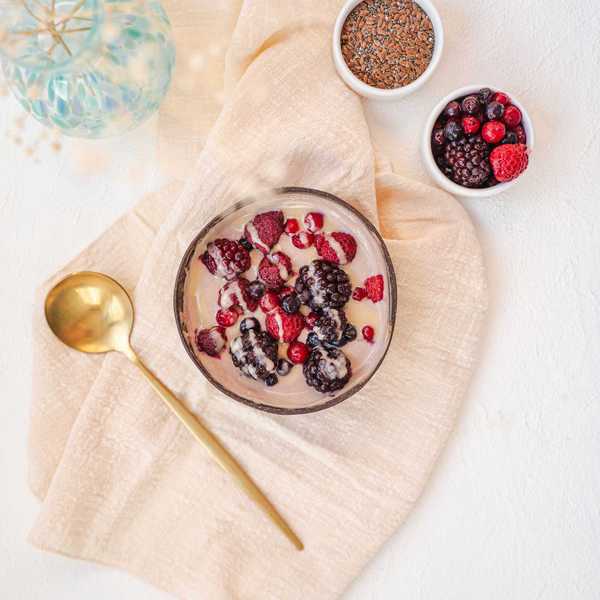
Change C.C for Pexels
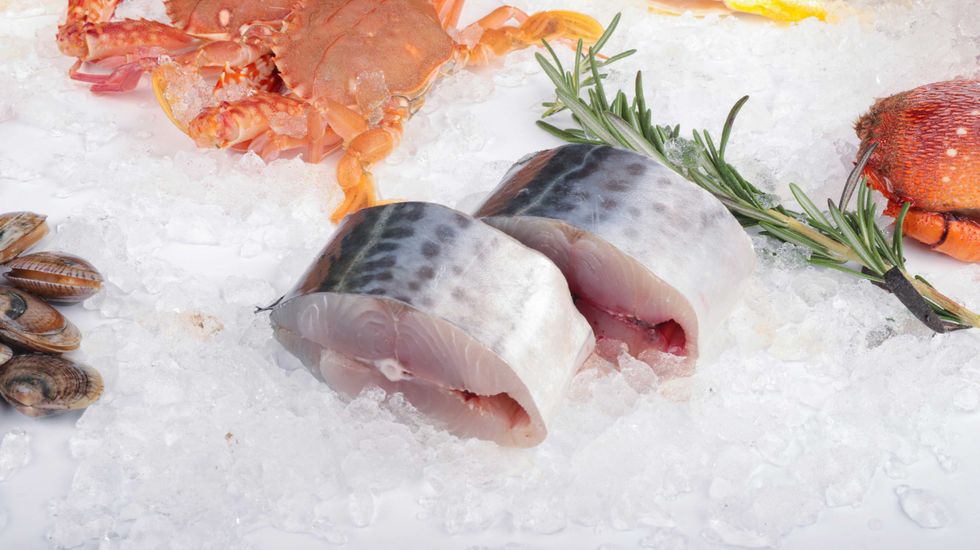
When it comes to shopping for seafood, whether it be canned, frozen, or fresh, always know where it’s coming from and make sure it’s sustainable. Many companies are big on transparency these days, so they’ll have the information stamped right on the packaging. If you’re buying fresh from the counter, ask the fishmonger where the fish is from and whether or not it was sustainably sourced. Another great way to track seafood is through Monterey Bay Aquarium’s Seafood Watch. They even have an app, so you can check the info right there at the fish counter!
Pescatarian Meal Planning
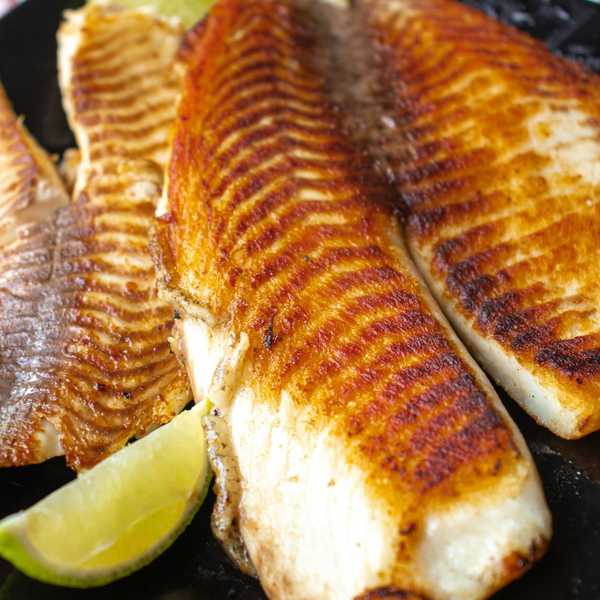
RDNE Stock project via Pexels
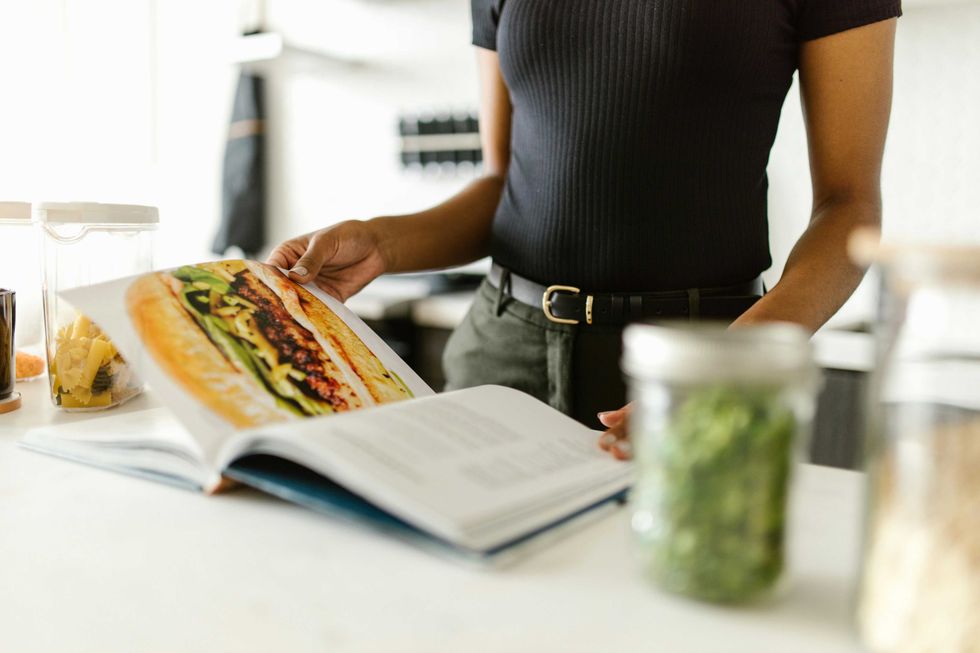
As far as meal planning goes, snag yourself at least two fillets for the week. The rest of your seafood consumption can be made with canned fish like sardines or mackerel (not to be confused with king mackerel, which is high in mercury), which are both healthy and sustainable options that make for great lunches and dinners. Away from seafood, plan for simple yet fun vegetarian meals like curries, pizzas, and pastas. It might all seem overwhelming in the beginning, but once you get into a routine, it’s a piece of (crab) cake.
Get Enough Iron
Ella Olsson for Pexels
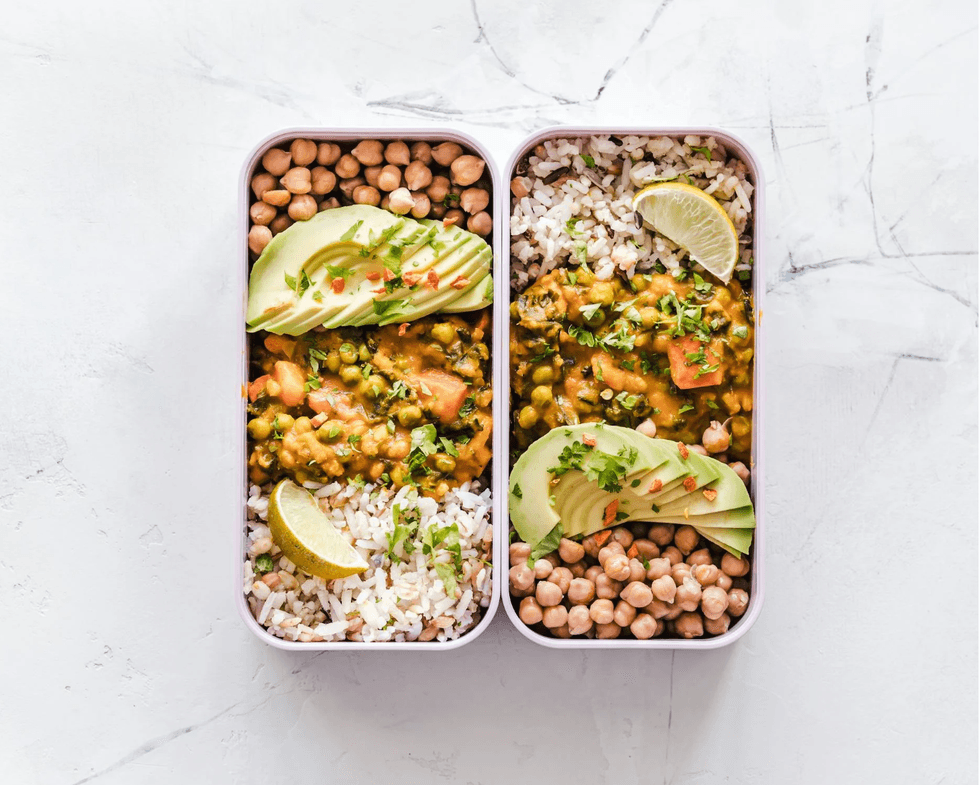
Pescatarians deal with the question of how to get enough iron in their diet just as much as vegetarians do. Meat eaters hardly have to try; they get more than enough iron by simply eating meat. Heme iron, which is derived from hemoglobin and comes from red meats, poultry, and fish, is easily absorbed by the human body. As a pescatarian, it’s useful to know that three ounces of oysters, clams, mollusks, or mussels contain the same amount of iron as three ounces of beef or chicken liver; three ounces of canned sardines in oil contain the same amount of iron as three ounces of cooked beef. However, when it comes to non-heme iron from plant-based sources, absorption is more difficult. Luckily, there are solutions. Pairing non-heme iron sources with foods rich in vitamin C can increase your iron absorption up to FIVE times! Additionally, cooking in a cast iron pan will increase iron absorption. Seriously, it’s not a myth. It’s worth mentioning that men need to be cautious with iron. Depending on age, diet, and overall wellness, the average man needs less than half the daily amount of iron than women need. Many sources site that women aged 19 to 50 need 18 milligrams of iron per day, while men within the same age range only require eight milligrams. Keep this in mind when cooking for others.
Follow us on Pinterest for pescatarian recipe ideas!