 Recommended for you
As someone passionate about design and architecture, I make a point to seek out architecture tours wherever I go. A Craftsman tour in Los Angeles still lives rent-free in my mind, and I’m forever inspired by the cottage-style exteriors, dreamy sleeping porches, and character-rich interiors. So when I came across the latest project from Shawn and Tina Taylor—the married duo behind L.A.-based Dacotah Studio—I was instantly swooning.
The pair transformed a 1913 Craftsman in the historic West Adams neighborhood, reimagining a home rooted in the American Arts and Crafts movement with a fresh, thoughtful perspective.
Here's a look inside this serene and cozy Craftsman home.
Tessa Neustadt
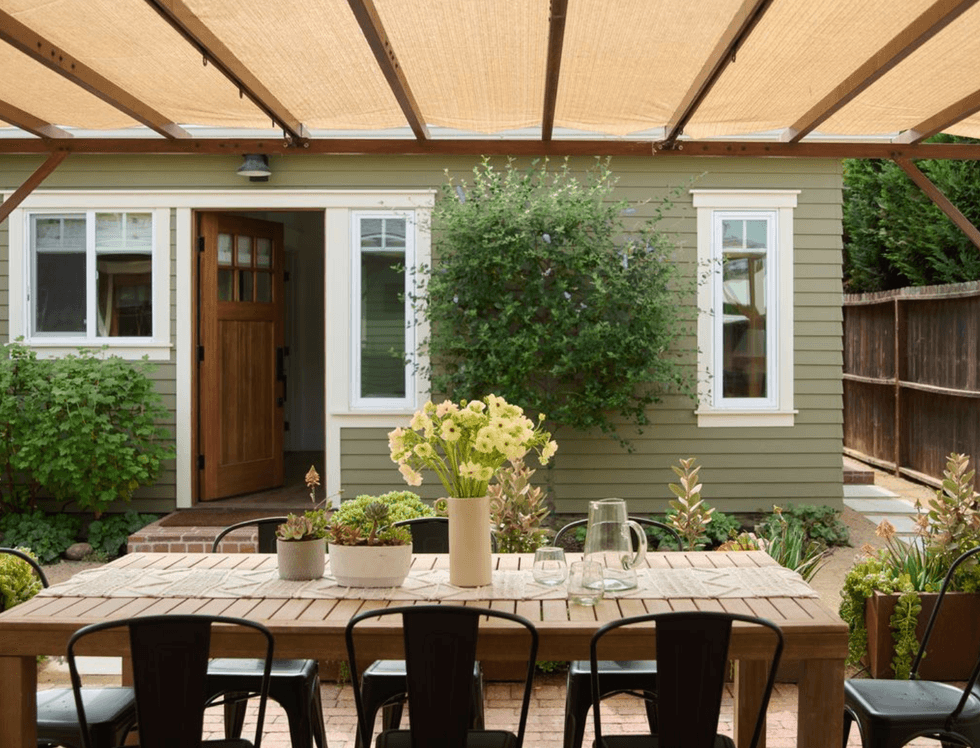
Tucked along a quiet residential street, the two-bedroom, two-bath main home—plus a one-bedroom, one-bath ADU—had undergone a series of past remodels that stripped away much of its original Craftsman character. Shawn and Tina set out to restore what was always meant to be there, bringing the home back to its architectural roots.
Tessa Neustadt
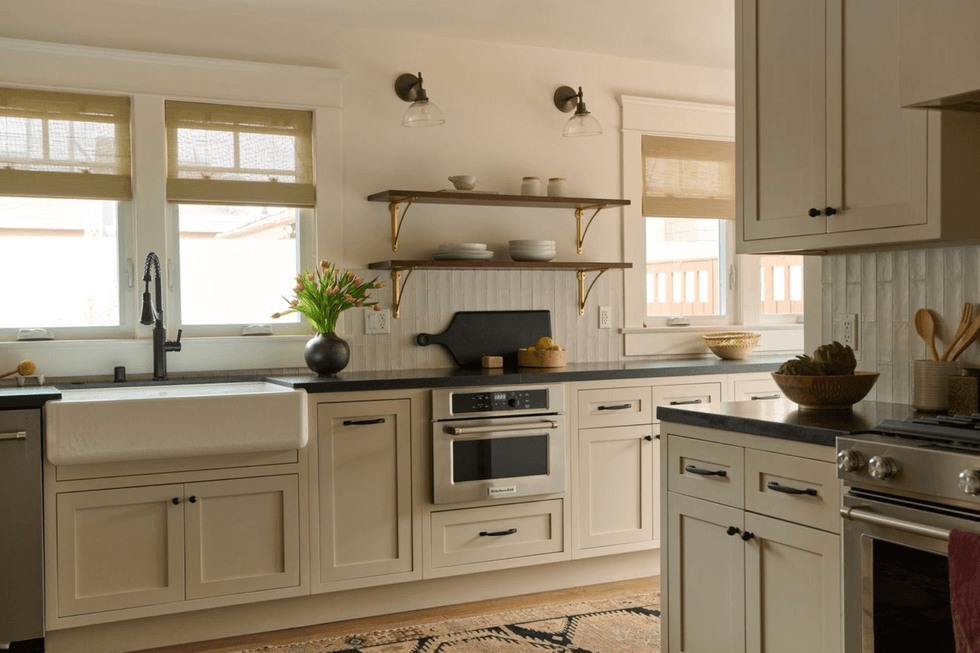
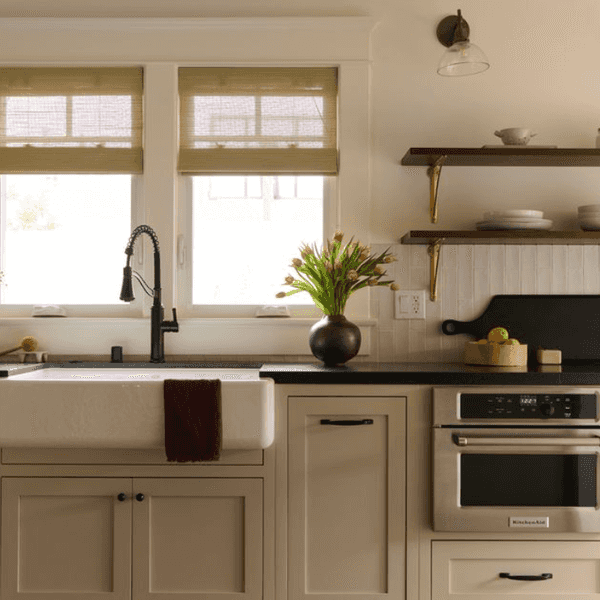
Designed with a growing family in mind, the home balances beauty with real-life durability. Shawn and Tina prioritized materials that could stand up to everyday wear without sacrificing style, opting for granite countertops, porcelain tile, and fully custom cabinetry built to last.
'Warmth, Solidity, and a Sense that Everything Belongs'
Tessa Neustadt
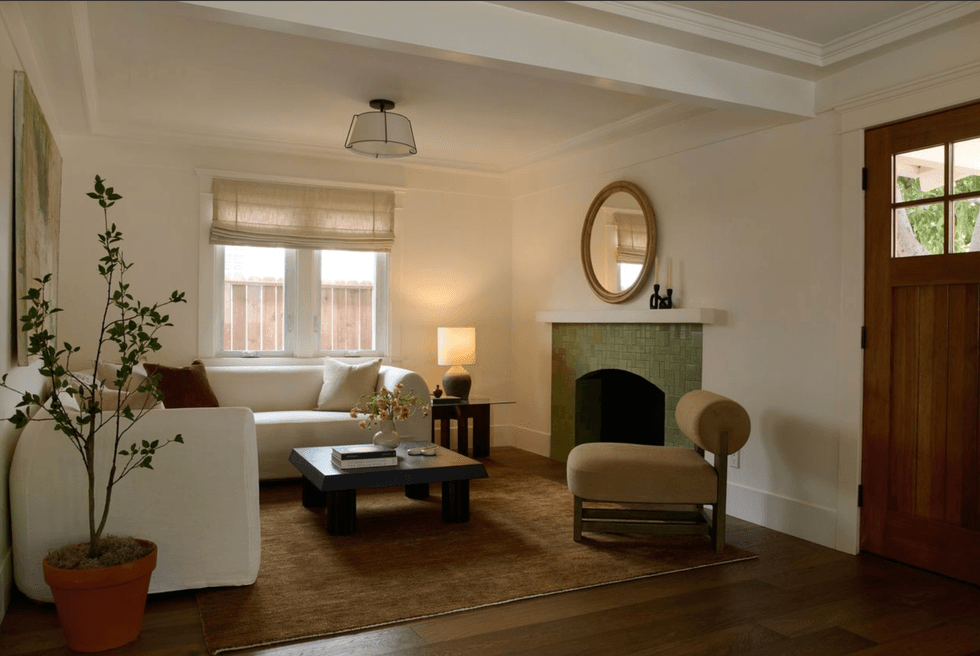
The pair created a design that feels current, yet destined to remain relevant decades from now, largely because they stayed true to the essence of the Craftsman style.
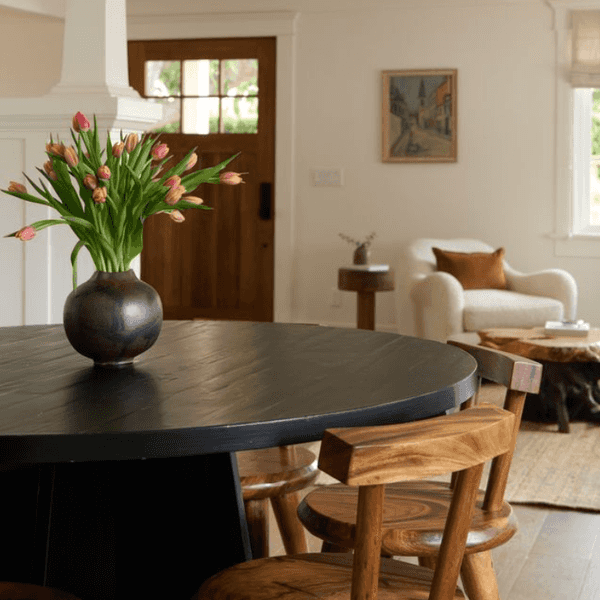
"The Craftsman style was never about trends — it was about honesty," said Shawn. "Honest materials, honest structure, honest craft. So our starting point was to take that ethos seriously rather than just preserve the surface aesthetics. We asked what a thoughtful owner in 2045 would want to feel walking through this house, and the answer was the same thing the original builders were after: warmth, solidity, and a sense that everything belongs."
Tessa Neustadt
It was a careful balancing act—preserving what mattered while evolving the space for modern life. "The rule we work by: preserve what has memory, reimagine what has friction," said Tina. "The woodwork, the window proportions, the overall massing — those stayed and were restored with intention."
Tessa Neustadt
"What we reimagined," added Shawn, "were the things creating friction for how the clients actually live today: the kitchen layout, the flow between spaces, the way light moved through the interior."
Tessa Neustadt
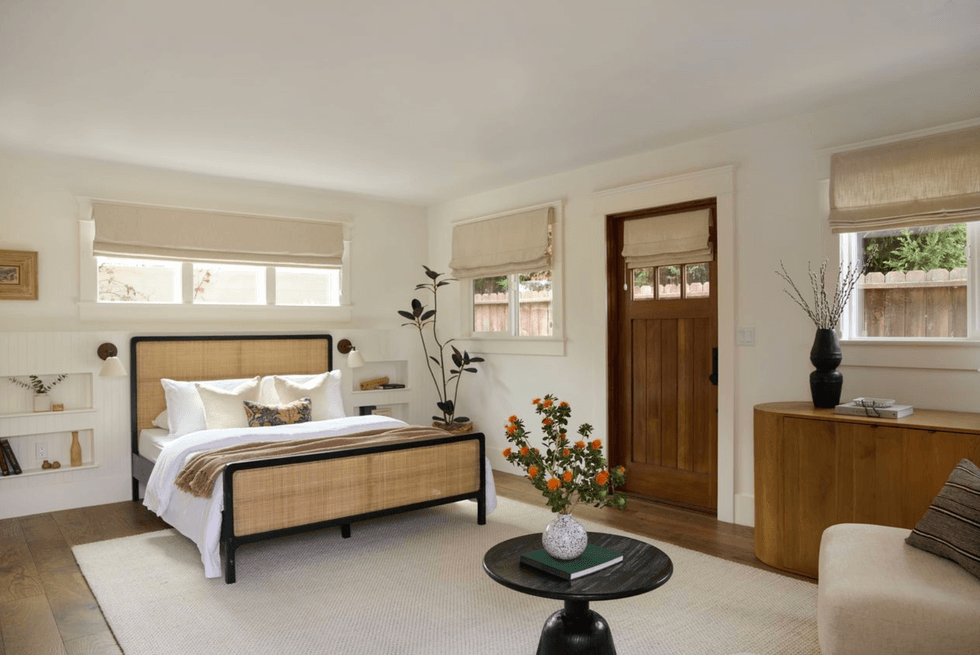
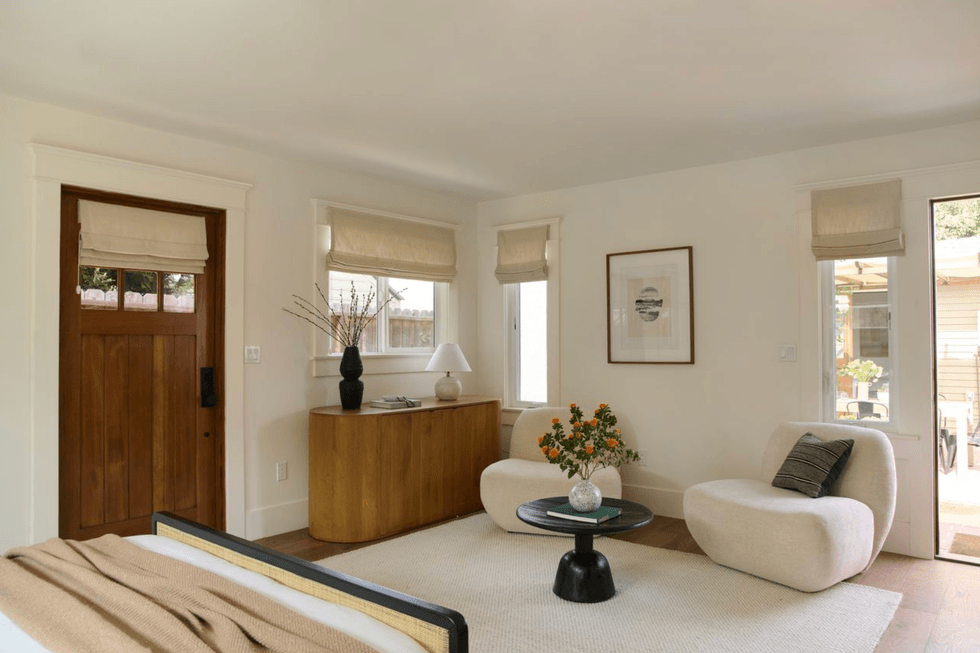
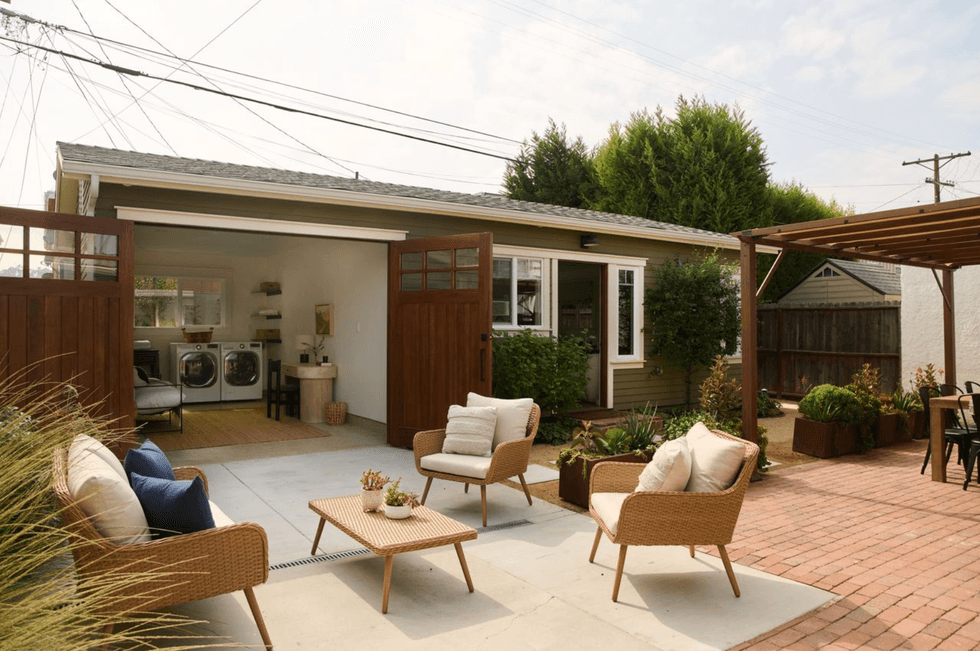
The ADU offered a chance to start fresh, while still staying deeply connected to the original structure. Rather than treating it as an add-on, the design team approached it as an extension of the home’s story. "The ADU was a full reimagination, but designed in direct conversation with the main house so it reads as belonging rather than appended," said Tina. "The goal is always that you can’t quite tell what’s original and what’s new — and that’s a compliment."
Tessa Neustadt
Guided by a principle of sufficiency, every material and detail was chosen with intention, resulting in a home that feels layered if you look closely, yet effortlessly calm at first glance. "Our favorite thing is how the main house and the ADU hold a conversation with each other. Distinct, but clearly from the same design mind," she said.
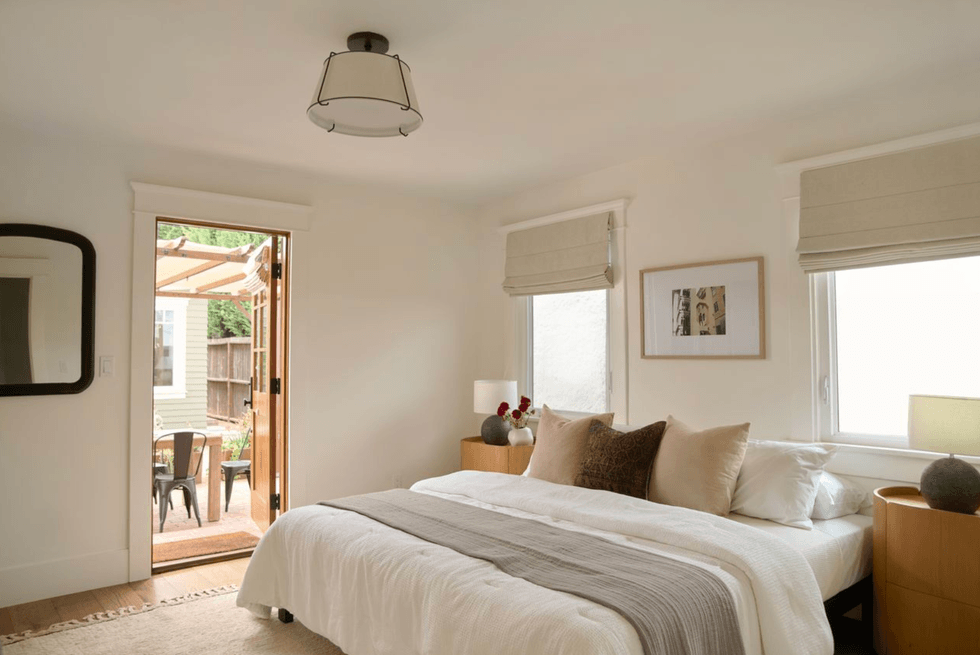
Tessa Neustadt
As you flow through the home, there’s a sense of quiet confidence throughout. Tina describes the aesthetic as Quiet Luxury—"a space that doesn’t announce itself," she said. "No single moment is trying to be the hero — everything is considered, so the whole room carries the weight."
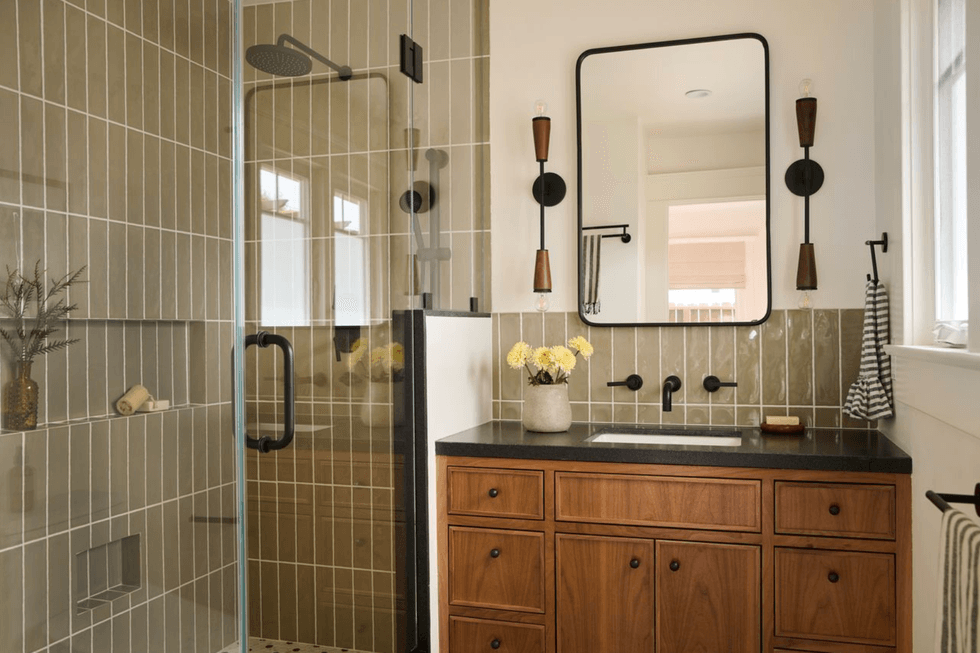
Tessa Neustadt
Throughout the home, the finishes strike a thoughtful balance between durability and timeless appeal, designed to support real life without sacrificing beauty.
"We stay away from finishes that require you to be precious about your own home. That meant leaning into materials with natural variation — wood, stone, painted millwork in tones that don’t read as “of the moment,” said Shawn. "The custom cabinetry references Craftsman detail without being affected. Hardware is simple and substantial. The palette is warm and grounded, which means it feels right at 7am and at 10pm."
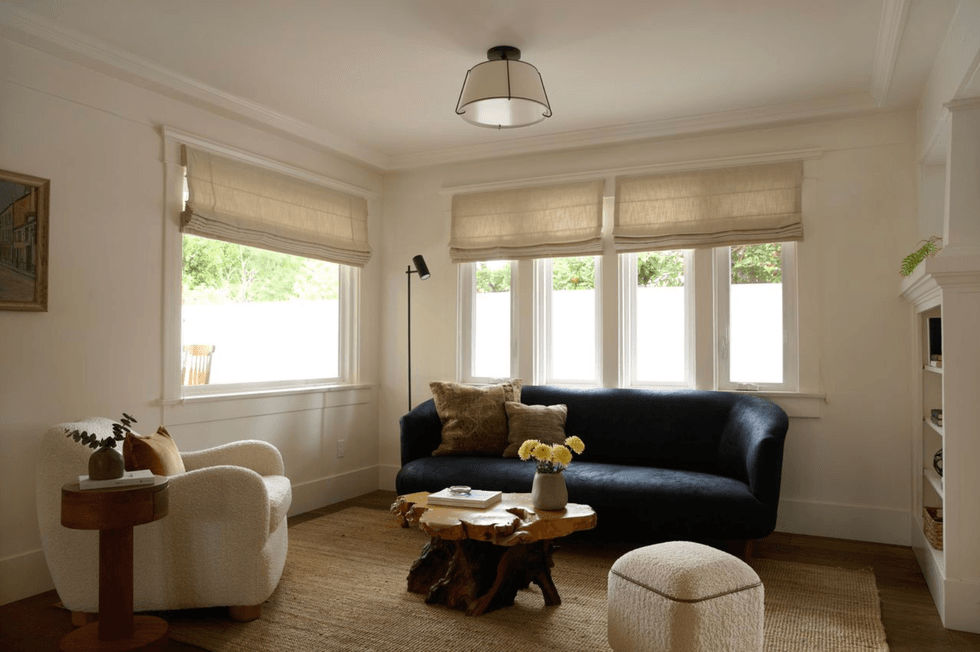
Tessa Neustadt
Natural light plays a defining role in the home’s overall feel, becoming a design feature in its own right. As layers were stripped back, the original windows were finally able to shine. “The large windows were original, and once we cleared away everything competing with them, they became the main event,” Shawn shared.
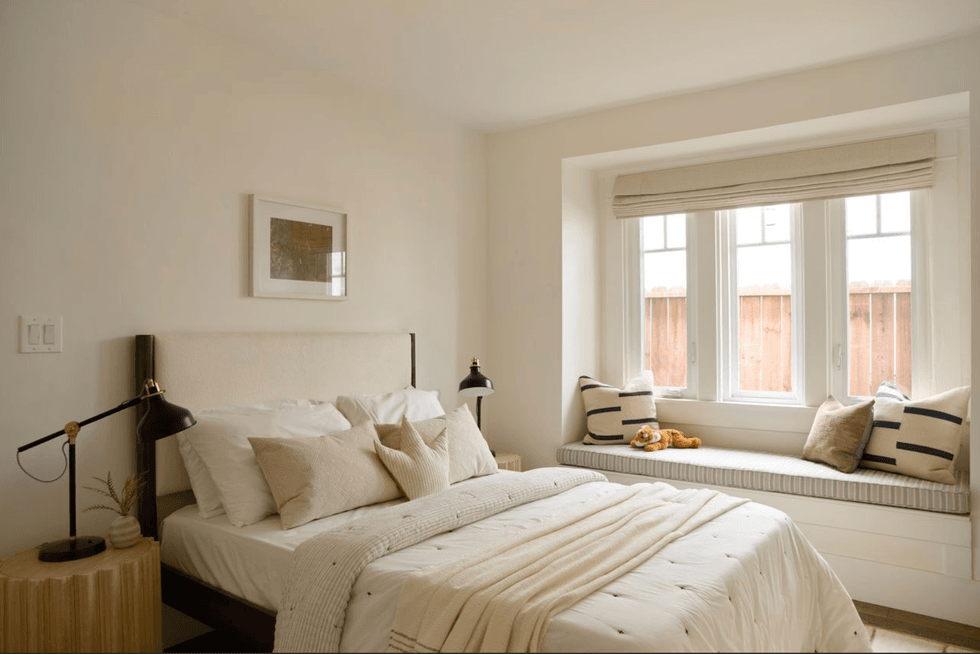
Tessa Neustadt
“There are moments in the afternoon where the light hits the millwork and the whole thing feels inevitable, like it couldn’t have been designed any other way," added Tina.
Tessa Neustadt
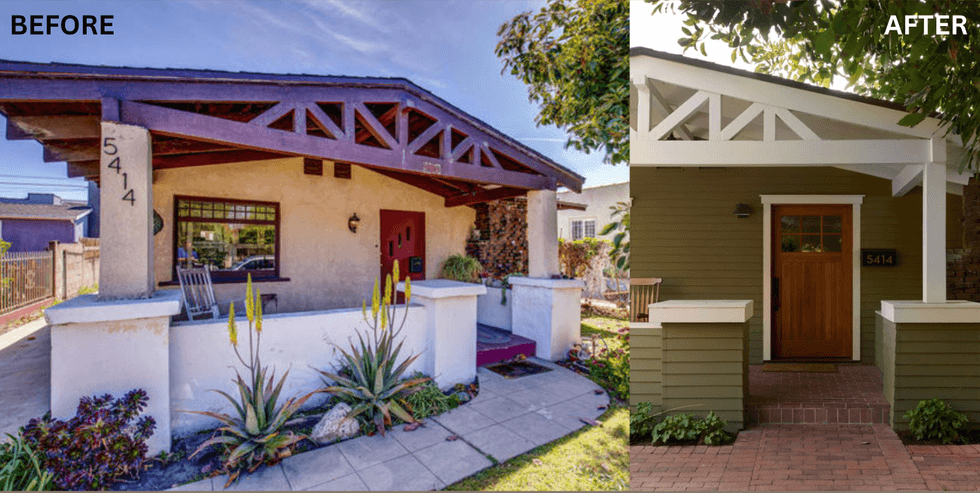
One of the most pivotal decisions Shawn and Tina made didn’t happen at the start of the project, but right in the middle of it. Originally, they planned to keep the home’s existing stucco exterior. But as the interior renovation unfolded and the home’s true character began to take shape, it became clear the outside needed to tell the same story.
After photo by Tessa Neustadt
So they made a bold call: remove the stucco entirely and reclad the exterior in horizontal Hardie Board. The payoff was immediate. In an instant, the home felt like itself again, a 1913 Craftsman with a quiet presence that belongs exactly where it stands, and honoring its historic heritage.
Subscribe to our newsletter for more home tours!