 Recommended for you
At 8:25 a.m. on a chilly October day in Switzerland, I am standing in a hotel hallway questioning my life choices.
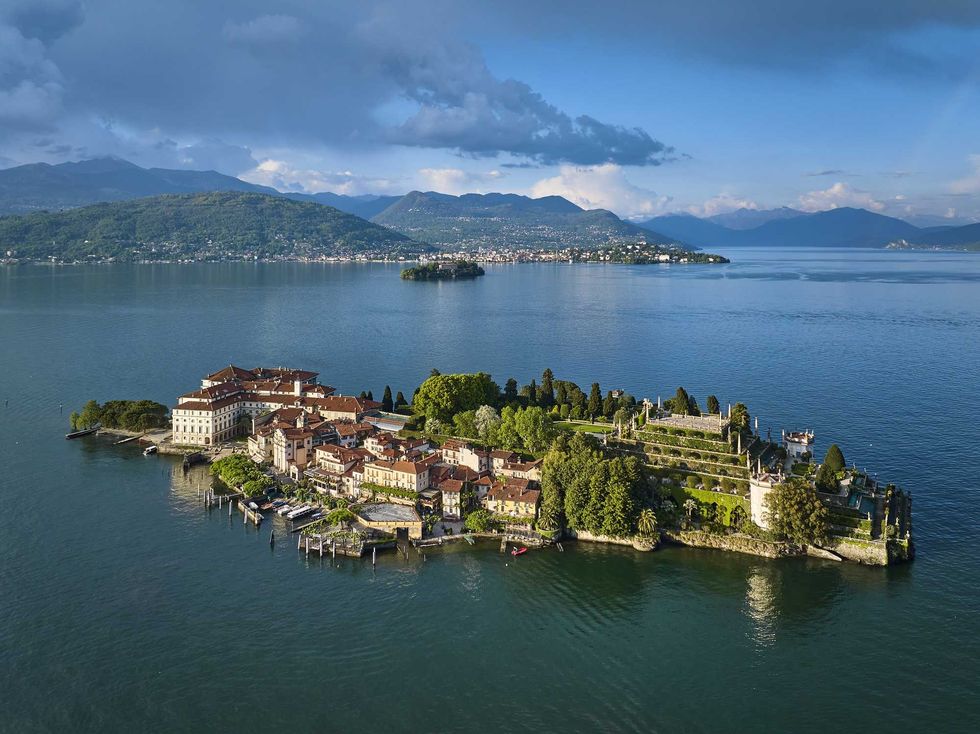
I’m on Isola Grande in the Brissago Islands, just a bit larger than a city block, contemplating a morning cold plunge into Lake Maggiore. My new friends Leilani and Vanessa suggested we try it.
I am not a “cold plunge girly.” I am not any kind of girly at 46 years old. Around age 40, I decided that I no longer needed to prove anything to anyone, that it was OK not to try wellness trends like goat yoga and pickleball—and cold plunges.
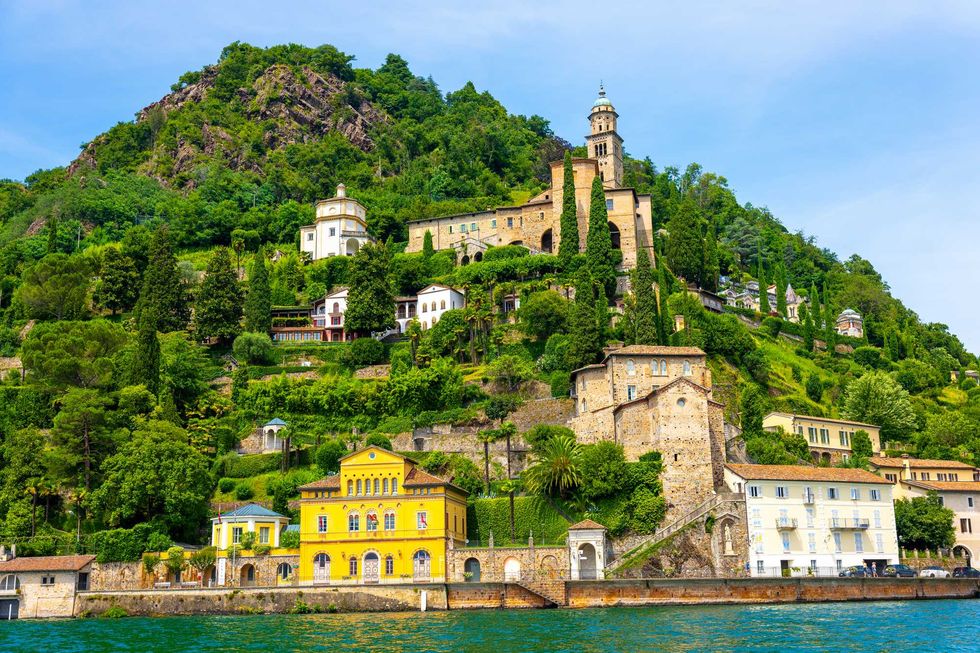
Here's my guide to Switzerland's sun-drenched Ticino region.
Getty
“You’ll feel refreshed the whole day! Our god is Wim Hof!” Leilani texts the group with a suspicious level of cheer. I grumble as I pull a hotel bathrobe around my shoulders and slip into thin plastic hotel slippers, making my way outside across the pebbly terrain.
Earlier this summer, as I prepared for traveling through Italy (and now the Italian part of Switzerland), I gave myself a crash course in Italian. “Lago Maggiooore,” I chant to myself as I make my way down the garden path to the lake, willing the vowels to warm me from inside.
 Lake Como vs. Ticino: Why You Should Head to Switzerland for Your Next Italian EscapeGetty
Where to Stay
- Hotel Villa Emden
- Castello del Sole
- Giardino Ascona
What to do:
- Book at least one tour through GuideSI — the tours through the Valle Maggia tours, in particular, are incredible.
- Rent a bike (several hotels offer these) or just wander the side streets of the local towns of Ascona, Lucano, and Logarno on foot to find souvenirs, and a glass of spritz by the waterfront at sunset.
- Plan at least a few meals at a local grotto. These traditional rustic restaurants offer some of the best seasonal pastas, along with reasonably priced drinks.
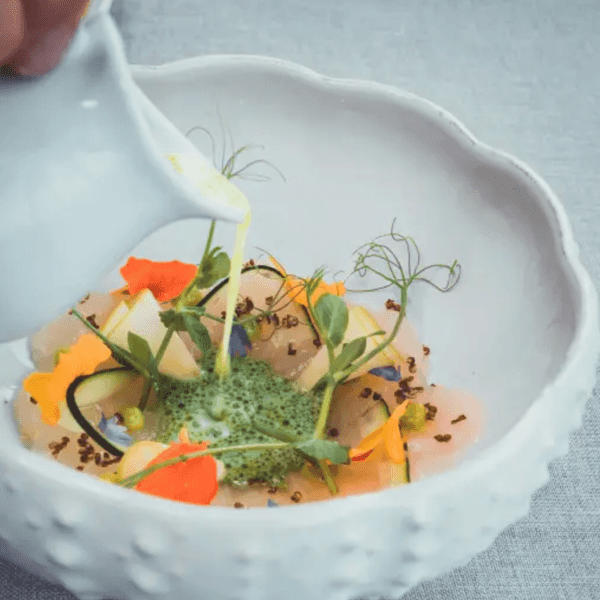
Ristorante Villa Emden
The island is home to Villa Emden, a 1920s-era Neoclassical manor with just 10 modest rooms and a restaurant, surrounded by a botanical garden. It's the kind of place local school children visit for field trips, taking a boat from the mainland to roam its magical spaces, including a swing out over the water. By evening, Ristorante Villa Emden’s softly lit dining room hosts prix fixe dinners with courses of freshly caught fish dotted with flower petals.
The paths that snake around the island are alive with flowers that look like lanterns and ballet skirts, a forest with misters that wrap you in spooky fog, and even bee species I’ve never seen before with fuzzy white butts and glassy wings that fold on top of themselves while they stop to exchange nectar and pollen.
Getty
When you wake up on a magical island between Switzerland and Italy, it seems best to let it introduce itself to you in its own way. Vanessa is already splashing around when I tentatively dip my toes in, Leilani close behind. It’s cold. The pre-Alps mountains loom beyond our view, with the sun making its way higher in the sky. I take a breath, plunge forward in the water, and shriek. It’s not so bad. I keep saying that until it's true. A couple walks by, probably startled by our laughter.
Americans don’t tend to visit this region often, preferring the well-known Lake Como to Lake Maggiore. You'll hear a lot more German mixed in with Italian, and occasionally French, reflecting the country’s proud multilingual and multicultural traditions. People are warm and generous, but also not shy about a little political repartee. On the train from Zurich, after discovering I’m from the U.S., the conductor bellows, “Well, welcome, anyway!” and laughs heartily, then hesitates a moment and says, “Do you understand that as a joke?” I do.
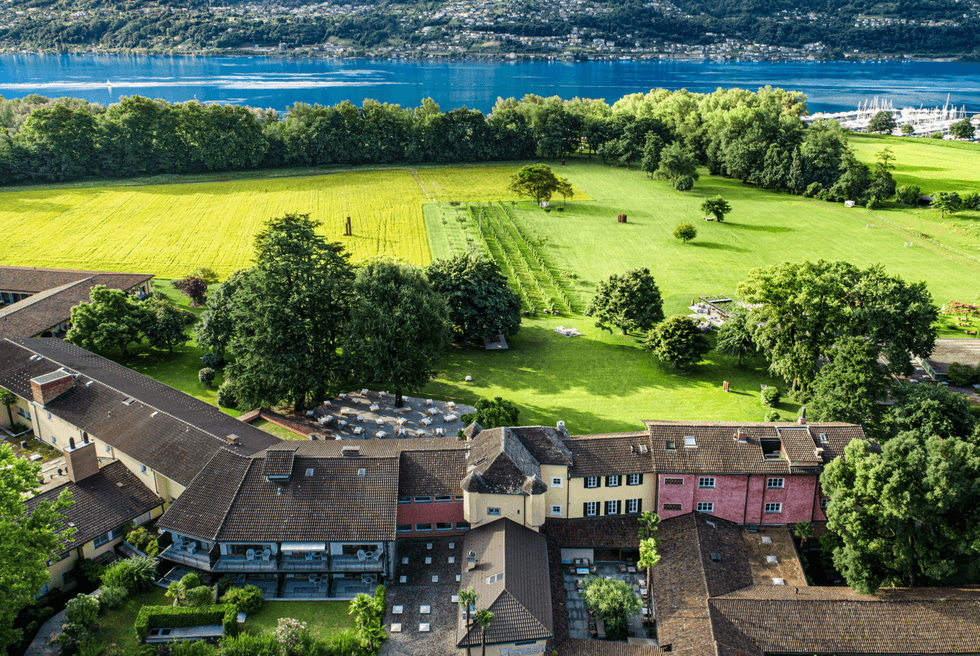
At another hotel, Castello del Sole in nearby Ascona, I tour the facilities including the spa, where the employee shows me various saunas. It’s understood by European tourists to Switzerland that the co-ed sauna means strictly no bathing suits. In a brave moment, I decide to try this, too (more than a little relieved to discover that I’m alone for the duration).
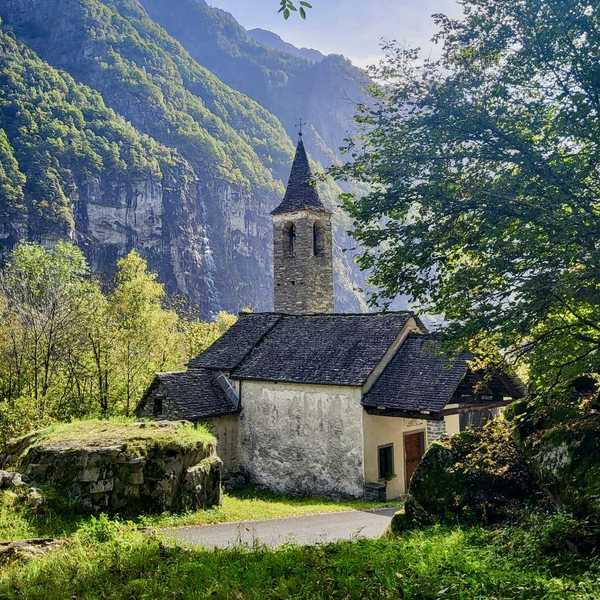
Another day, we visit charming villages filled with old stone houses and cows with honest-to-goodness bells clanking around their necks. Local artisans put out their wares (pottery, local honey, cheeses) near the stone streets with honors system cash boxes.
A guide named Marleen de Vlieger tells us about how the humble chestnut sustained people in these villages in the wake of devastating landslides and floods in the Maggia Valley in the 18th and 19th centuries, when men left to immigrate to the U.S., with a stop at the Grotto America before heading out, while women stayed behind with their children to eke out an existence. It seems such a stark contrast to the resort-style luxury prevalent today throughout the bars full of people clinking glasses of Aperol spritz, toasting la dolce vita. Nowadays, you’ll spot the chestnut celebrated in special pasta dishes or cakes throughout Ticino.
Getty
Travel writer Rick Steves describes travel as “intensified living,” and I know exactly what that feels like. It feels like trying everything, seeing everything, staying up late, ordering the grappa. Dancing whenever possible, pretending like you always walk around nude in public saunas, no big deal.
Later in the trip, we take a rickety vintage gondola to a small mountaintop village called Rasa, and we hike through even smaller villages with no electricity, where people leave a box of wild grapes out for hikers with a handwritten note in German and Italian: “Help yourself!”
I spy a chestnut wrapped in its prickly coating. Usually when I’m traveling I have brief episodes of intense gratitude where I don’t quite know how I ended up where I am and it feels like a dream. In Ticino, that happens nearly every moment.
Looking for more travel ideas? Follow us on Facebook for more traveler tips!