 Recommended for you
If your pup is anything like mine, he or she has to be more than happy to scarf down whatever delicious scraps fall to the floor at dinnertime. While this is often just a happy little accident for your furry friend, it can sometimes take a dangerous turn...depending on what lands in front of them. There are certain foods that are a major no-no for dogs, and knowing what they are could genuinely save your pet's life one day.
We all know chocolate is one of the worst things a dog could possibly ingest, but what are some other common foods to keep well out of reach?
Here's a deep dive into the foods you should never feed your pup, no matter how hard they beg.
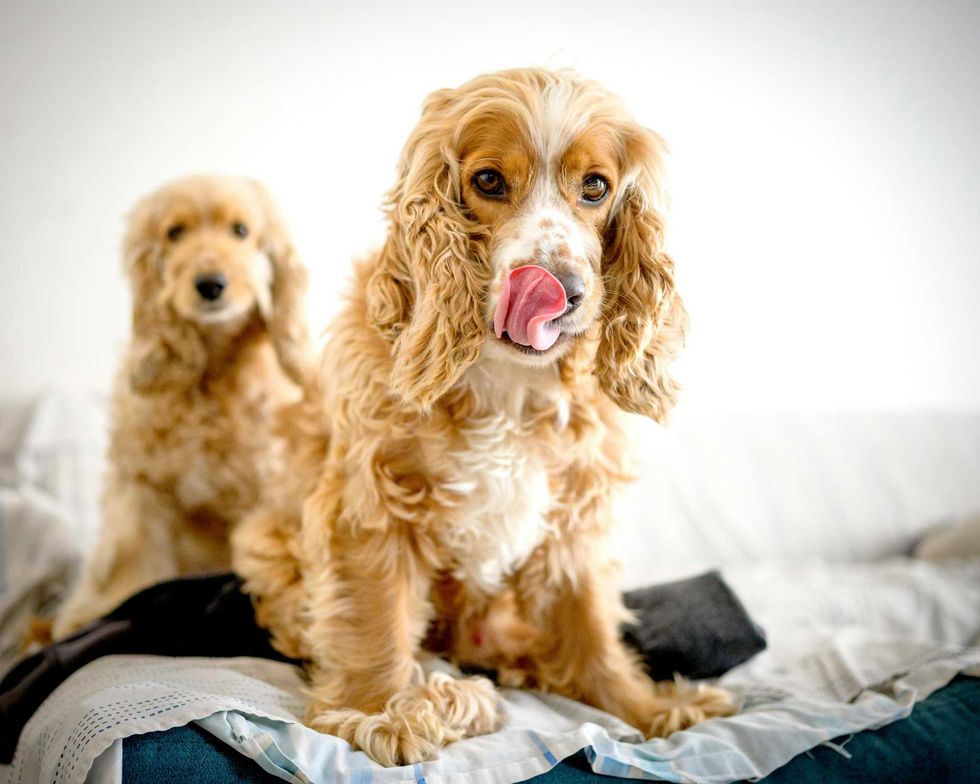
Photo by Christopher Welsch Leveroni
Grapes & Raisins
Grapes and raisins are one of the most dangerous foods for dogs. Even a single grape can trigger acute kidney failure—I learned that the hard way after a vet visit within minutes. Raisins are even more concentrated, making them just as (if not more) toxic. The exact cause is still being studied, but tartaric acid is the likely culprit. If your dog eats either, skip the wait-and-see and call your vet immediately.

Getty
Cheese & Dairy
The main issue with cheese isn't just an upset stomach; it's the specific type of cheese you choose. Most dogs lack the enzyme needed to break down dairy, leading to gas, bloating, and diarrhea. This is the real "surprising" toxin: Blue cheeses (like Roquefort, Stilton, or Gorgonzola) can contain a substance called Roquefortine C. This mycotoxin can cause high fevers, vomiting, tremors, and even life-threatening seizures in dogs.
Getty
Bacon
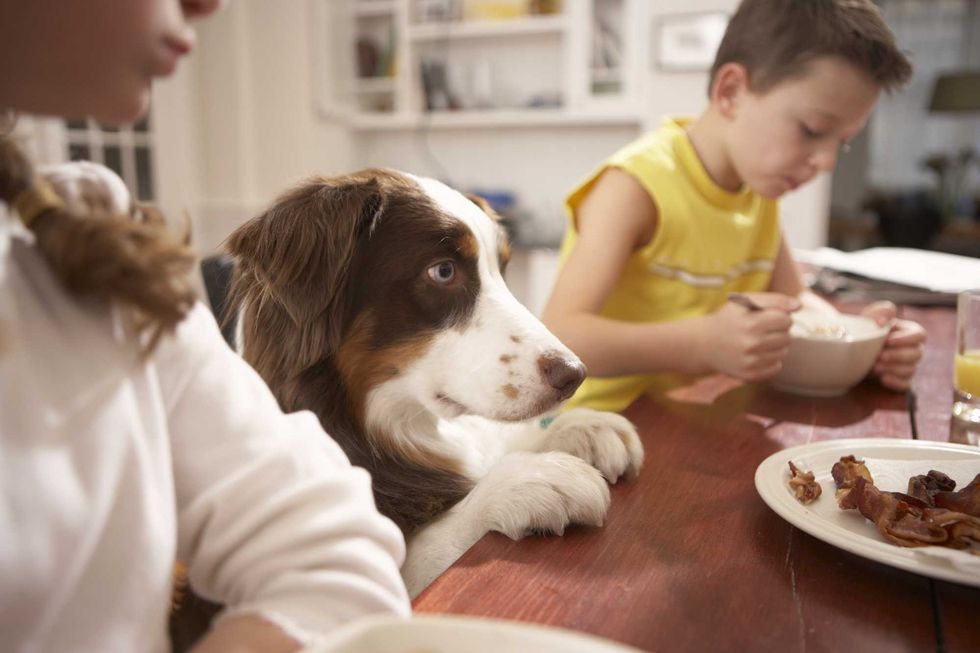
Bacon might be your dog’s dream treat, but it’s far from a healthy choice. While it’s not technically toxic, its high fat and sodium content can seriously impact your dog’s health.
Too much fat can trigger pancreatitis—a painful condition that often requires veterinary care. And all that salt? It can lead to dehydration, strain the kidneys, and in severe cases, cause sodium ion poisoning.
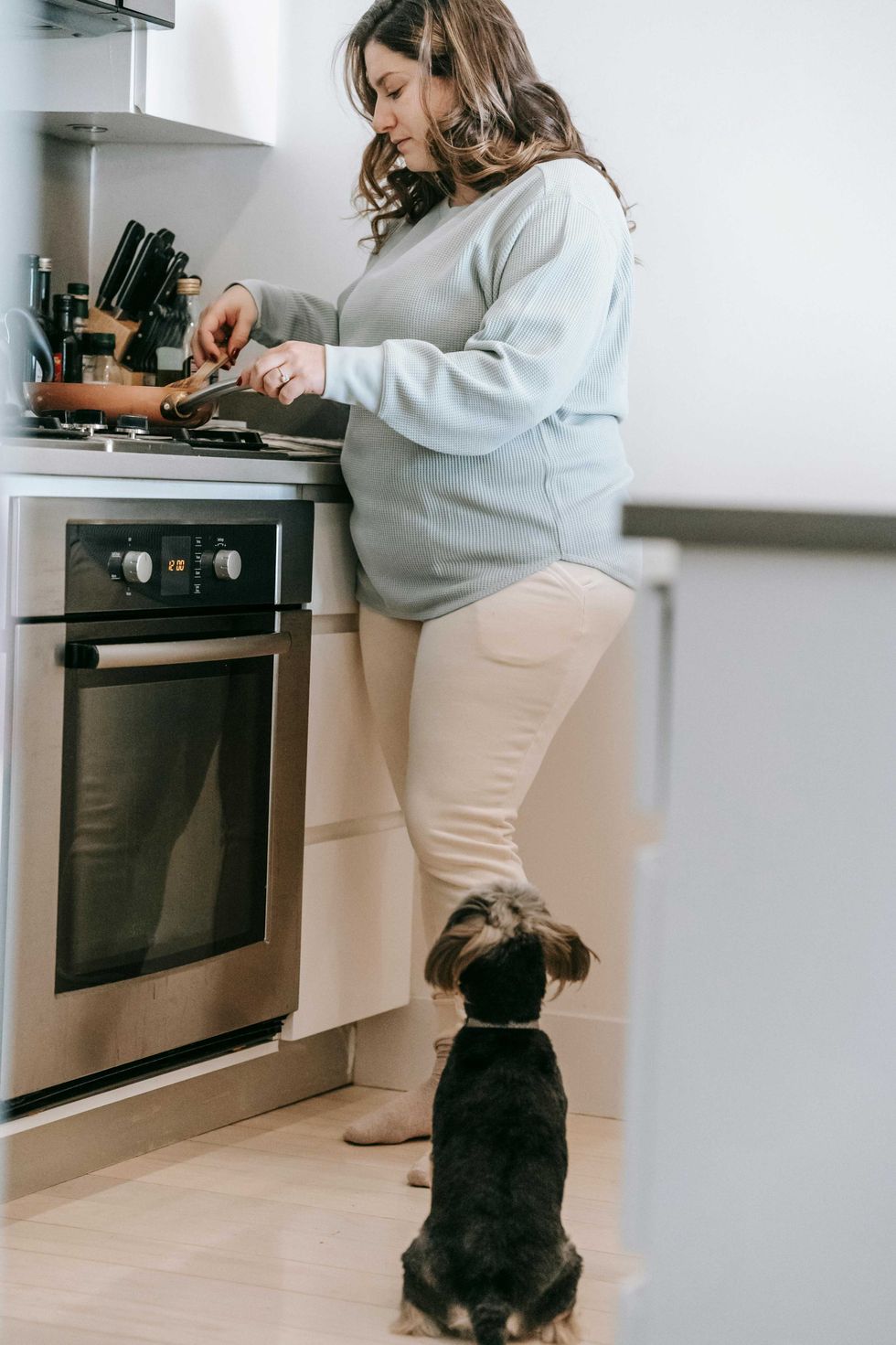
Photo by Sarah Chai
Onions & Garlic
This is a sneaky one. When you're chopping onions in the kitchen, it's easy for pieces to fall to the floor unnoticed. Onions damage your dog's red blood cells over time, which can lead to anemia. If your pup is nearby while you cook, keep a close eye on what hits the floor.

Photo by Josh Hild
Apple Seeds
Apples can be a sweet, healthy treat for your pup (my dog loves them)—but skip the core. Apple seeds contain cyanide, which is toxic to both dogs and cats. While it would take a large amount to cause serious harm, repeated exposure over time isn’t worth the risk. Always remove the seeds before sharing a slice.
Signs of toxicity may include bright red gums, rapid or labored breathing, excessive drooling, convulsions, or paralysis.
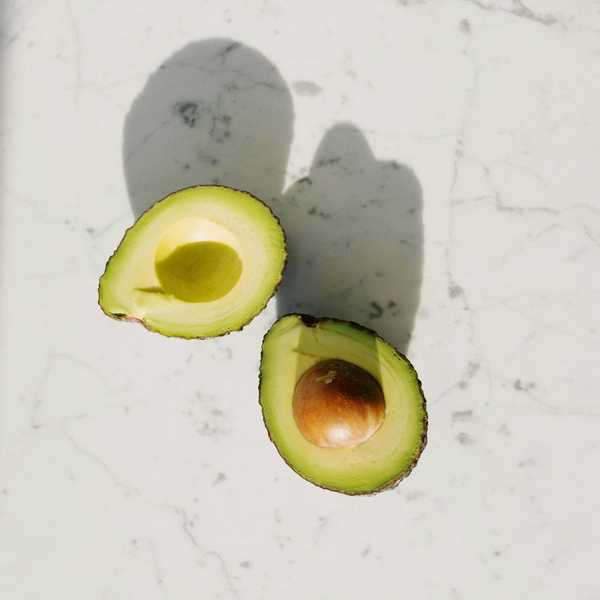
Photo by ready made
Avocados
Avocado might be a superfood for you, but it’s not pet-friendly. Every part—leaves, skin, pit, and fruit—contains persin, a toxin that’s especially dangerous for animals like birds and livestock. While small amounts aren’t typically harmful for dogs and cats, it’s still best to avoid it. Watch for symptoms like vomiting, diarrhea, loss of appetite, breathing issues, or fluid buildup in the chest if ingested.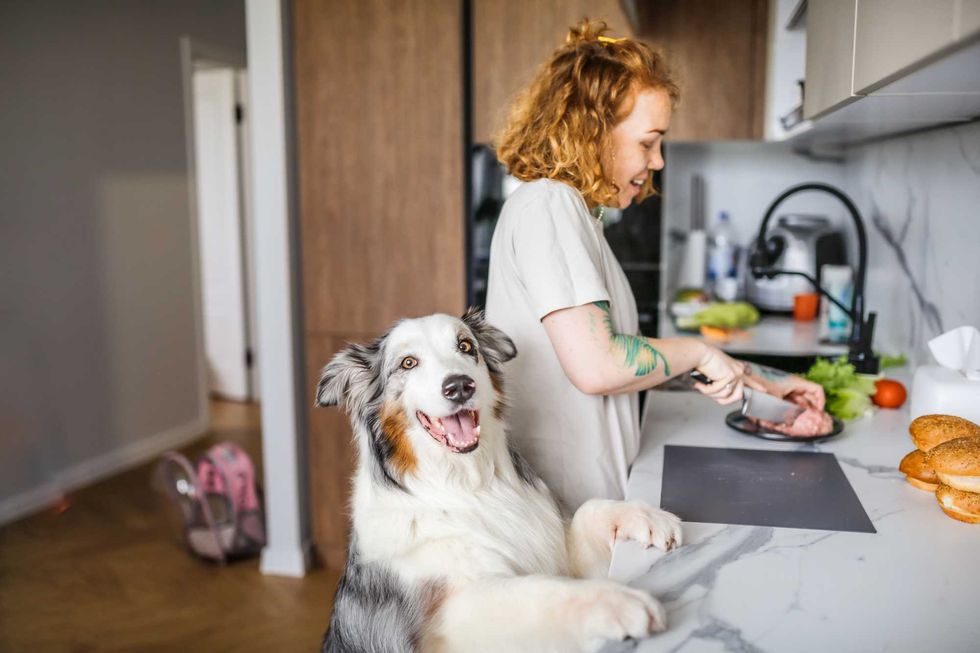
Getty
Raw or Undercooked Meat
Raw diets can be a great option for pets—but not all raw foods are created equal. That thawing hamburger meat on your counter? It can harbor harmful bacteria like Salmonella and E. coli, especially if it sits in the “danger zone” (40°F–140°F). These pathogens can make both pets and humans sick, since they’re easily passed between you.
Watch for symptoms like diarrhea, vomiting, loss of appetite, lethargy, or bloody stool.
Getty
Processed Deli Slices
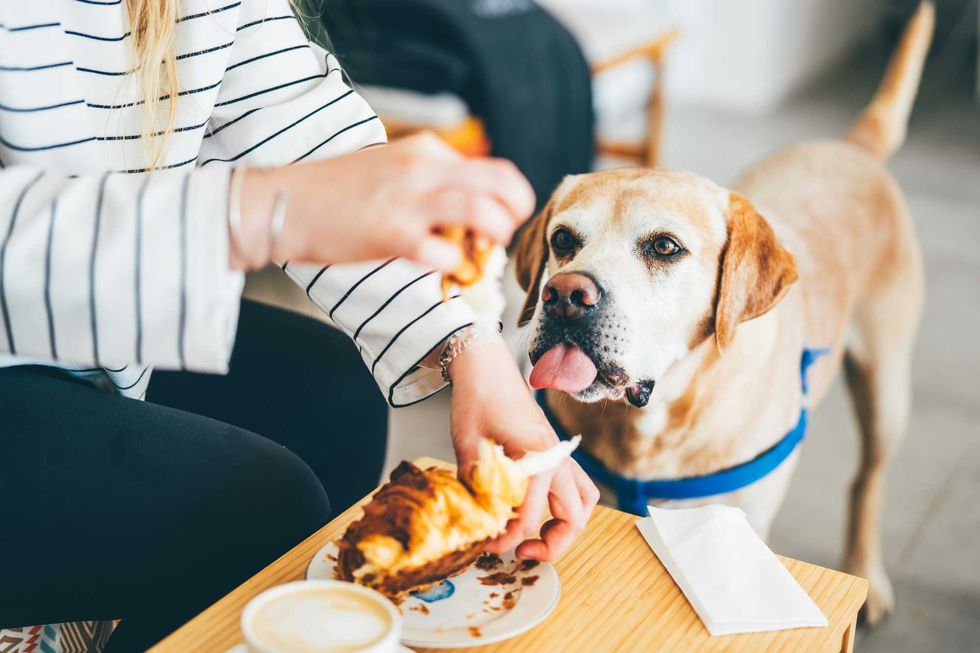
I've made this mistake a time or two because my dogs were absolutely relentless about begging for a bite. The high sodium and preservatives in deli meats can lead to serious health problems down the road, including obesity and kidney trouble. Save yourself the vet bill and keep the charcuterie board for the humans.
Photo by Andres Ayrton
Chicken Bones
Cooked chicken bones may seem harmless, but they’re a serious risk for dogs. Unlike raw bones, they splinter easily into sharp shards that can puncture the mouth or digestive tract, causing life-threatening infections. They also pose choking hazards and can create dangerous intestinal blockages. Even small fragments can injure gums and tongues, leading to bleeding and potential infection.
Photo by Katya Wolf
Nuts
Several varieties are a no-go for pets. Walnuts and pecans contain juglone, which is toxic to dogs, while almonds can break down into harmful compounds and are tough to digest—leading to stomach upset or even pancreatitis. Macadamia nuts are especially dangerous for both dogs and cats. Even when not toxic, nuts can pose choking risks and digestive issues. And beware of chocolate-covered or heavily salted varieties—both can cause serious, potentially life-threatening reactions.
When in doubt, stick to treats made specifically for dogs. What seems like an innocent snack to us can cause them real harm. If you’re concerned about anything your dog has eaten, contact your vet right away.
Subscribe to our newsletter for more pet and family advice!