 Recommended for you
In this exclusive first look, we’re stepping inside a newly renovated 4-bedroom, 4-bathroom home in Venice, California, reimagined by designer Orie Prince, principal of Prince Design Studio. Guided by his "internal architecture" process, Prince blends human psychology, Feng Shui principles, and intentional design to create spaces that support emotional well-being. Designed for a family of five (plus two dogs), the home was built to feel cozy, functional, and a place to be able to truly relax.
"What feels new in design is actually a return to ancient wisdom," says Prince. "Long before modern architecture, homes were designed with intention around light, flow, orientation, and rhythm—because people understood that space affects the body and mind. Today, we’re rediscovering that intelligence and translating it into contemporary life."
Here are 7 design tips for a relaxed home.
1. Let The Energy Circulate
Nils Timm
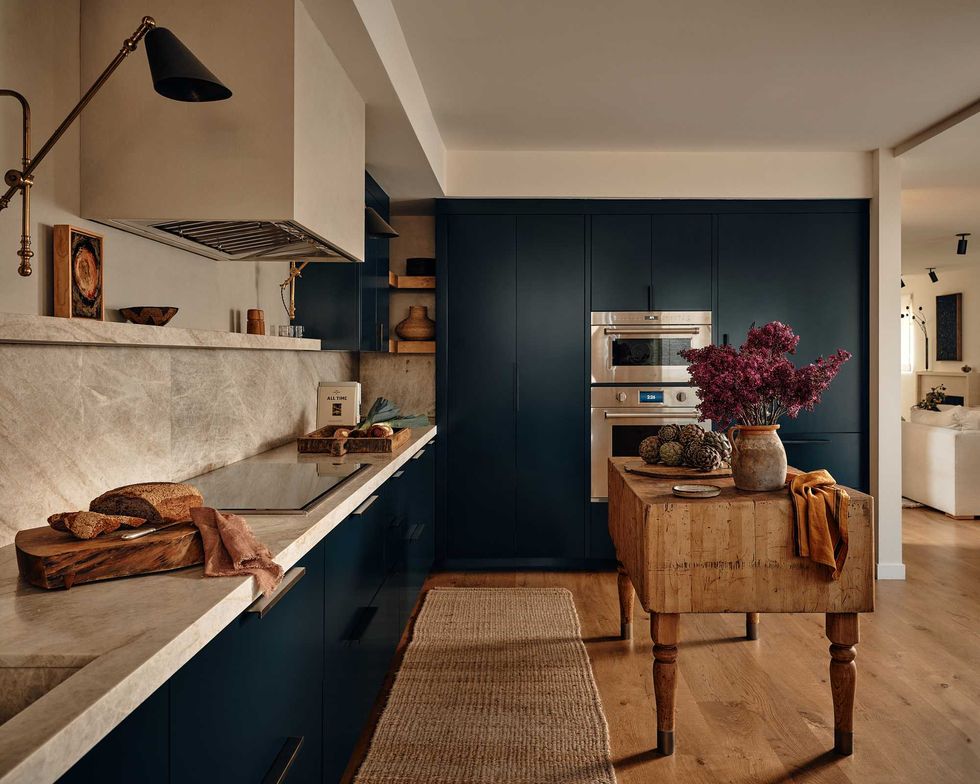
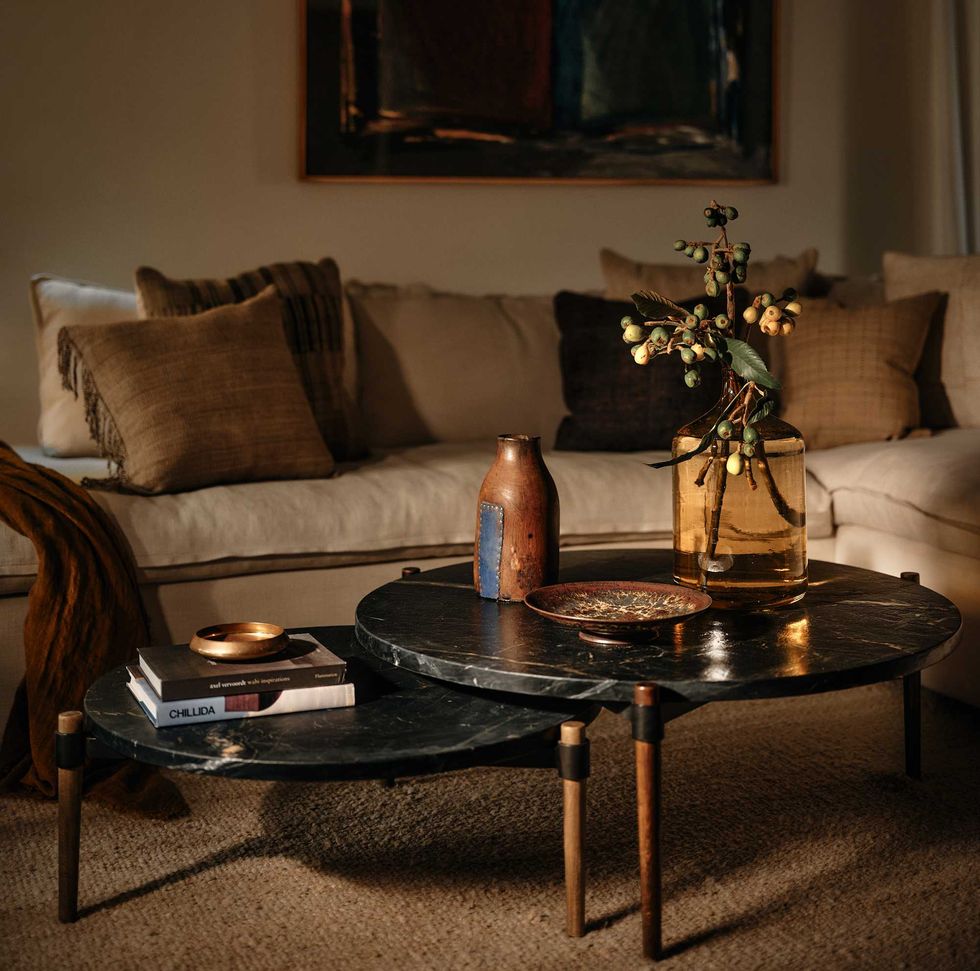
If a room feels chaotic or rushed, it’s often not about the furniture; it’s about how energy moves through the space. Keeping layouts clear, sightlines long, and pathways uncluttered helps your home feel calmer and easier to live in. When you’re not visually hit with everything at once, your body can relax, and rooms invite you to pause instead of pass through.
Nils Timm
"Human psychology helps me understand where people feel overstimulated, exposed, or at ease, while Feng Shui helps organize flow so energy moves smoothly through the home,” says Prince. In everyday terms: fewer obstacles, gentler transitions between spaces, and furniture that encourages circulation—not straight-line traffic—can turn a home from a pass-through into a place where people naturally linger, connect, and unwind.
2. Design Flow Around Emotional Timing
Nils Timm
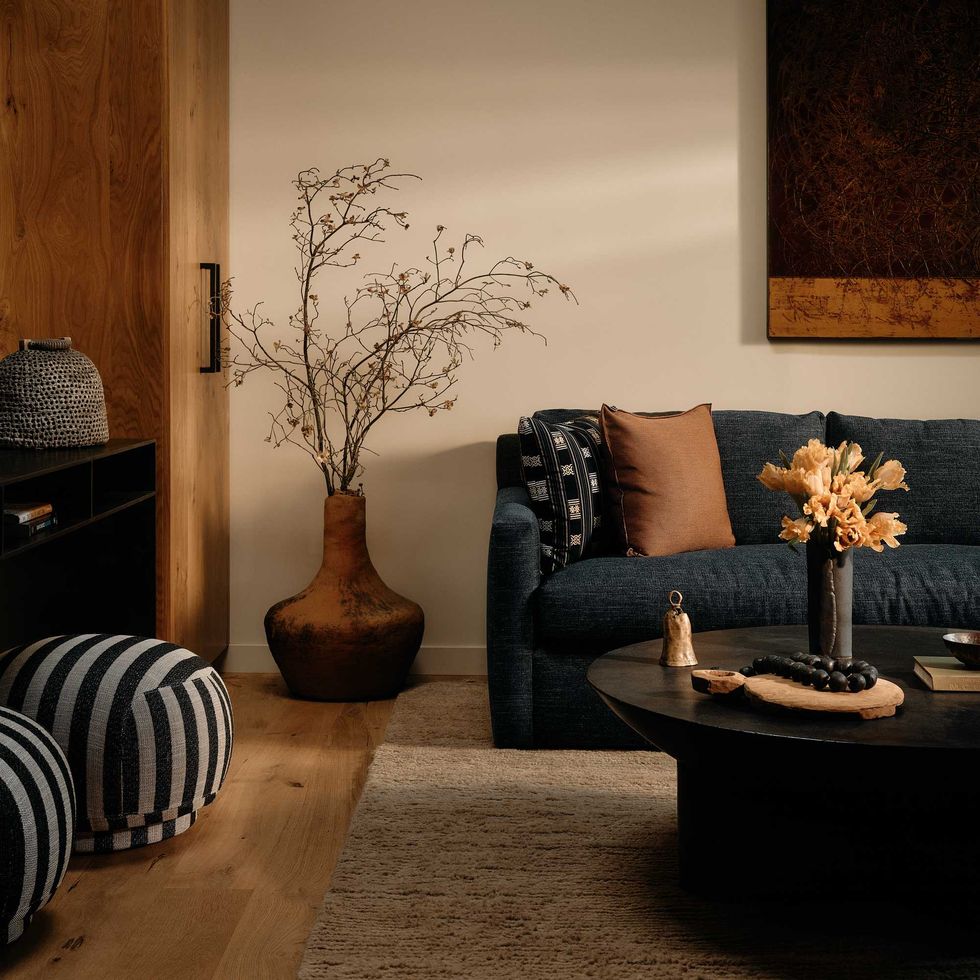
A truly supportive home doesn’t assume everyone is ready to connect the moment they walk in. Instead, it’s designed around emotional timing—when people need to pause, when they’re open to connection, and when they need space. That can look like a calm entry that doesn’t demand conversation, shared spaces that naturally pull people together, and private areas that offer choice rather than isolation.
Nils Timm
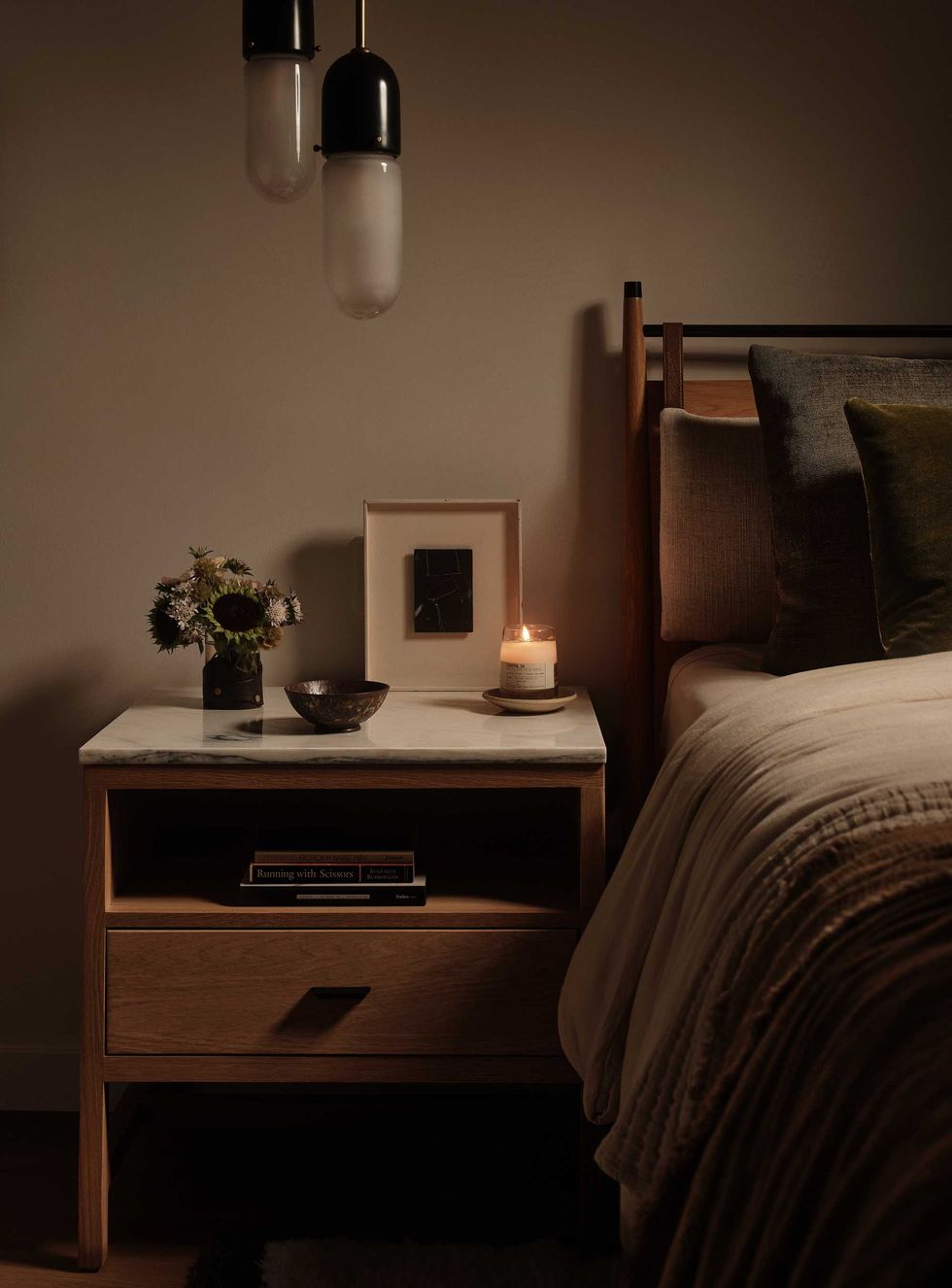
“We designed the layout around what each person needs before they’re ready to connect, not after," says Prince.
For the mom, who tends to provide a lot of the emotional support, it was less about where she gathers and more about where she can have some peace and quiet. "We created a subtle decompression zone immediately upon entering the home, where she can pass through without being pulled into conversation, noise, or decision-making. There’s no direct visual demand, no immediate “family hub” moment.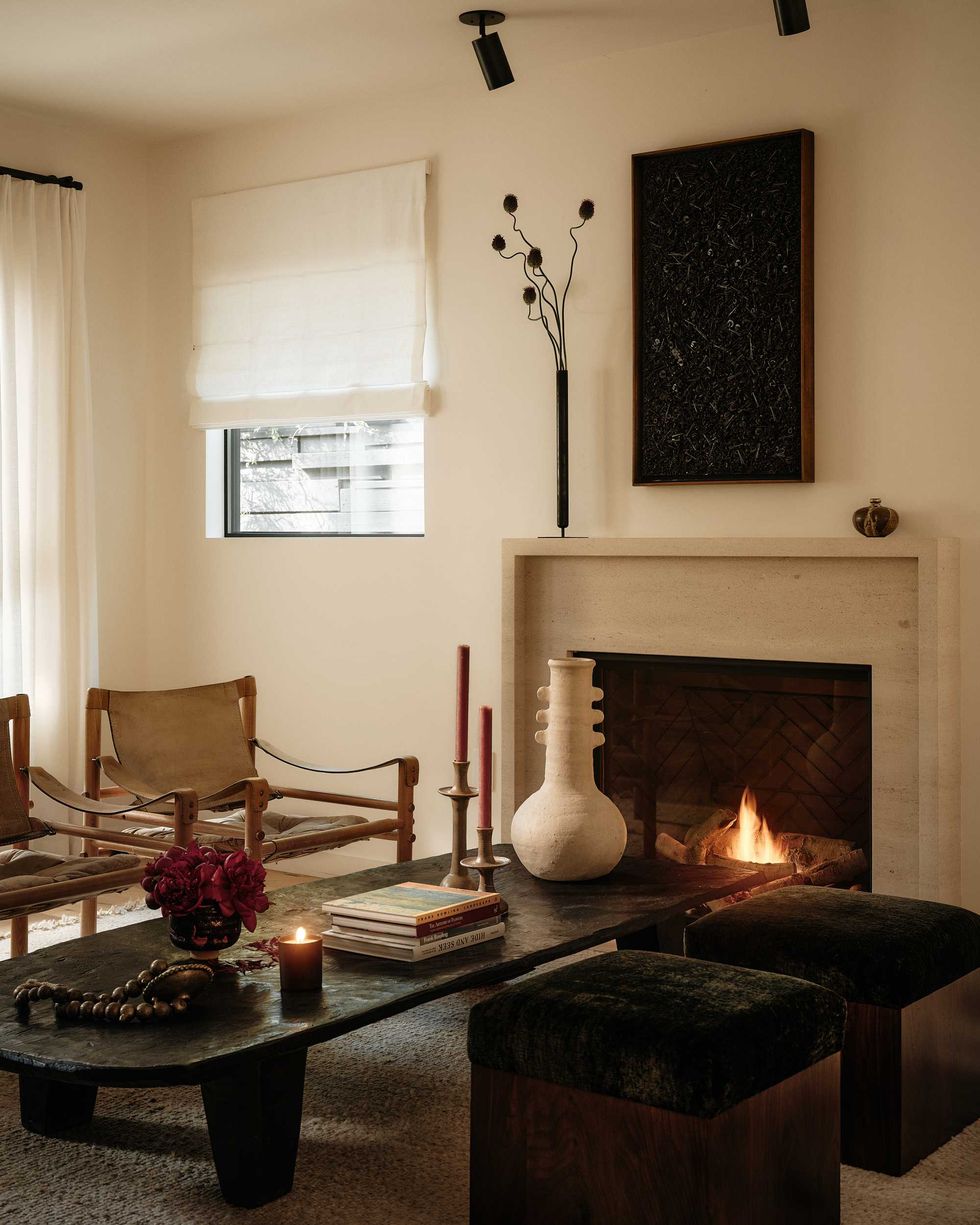
Nils Timm
For the dad, he craved deep connection with his most important humans: his family. Once you move past the entry, the house opens up, with the kitchen, dining, and living areas intentionally aligned so everyone stays within visual and conversational reach. "He doesn’t have to choose connection or schedule it—it’s built into the plan. This is a powerful shift: connection becomes the default, not an effort," says Prince.
Nils Timm
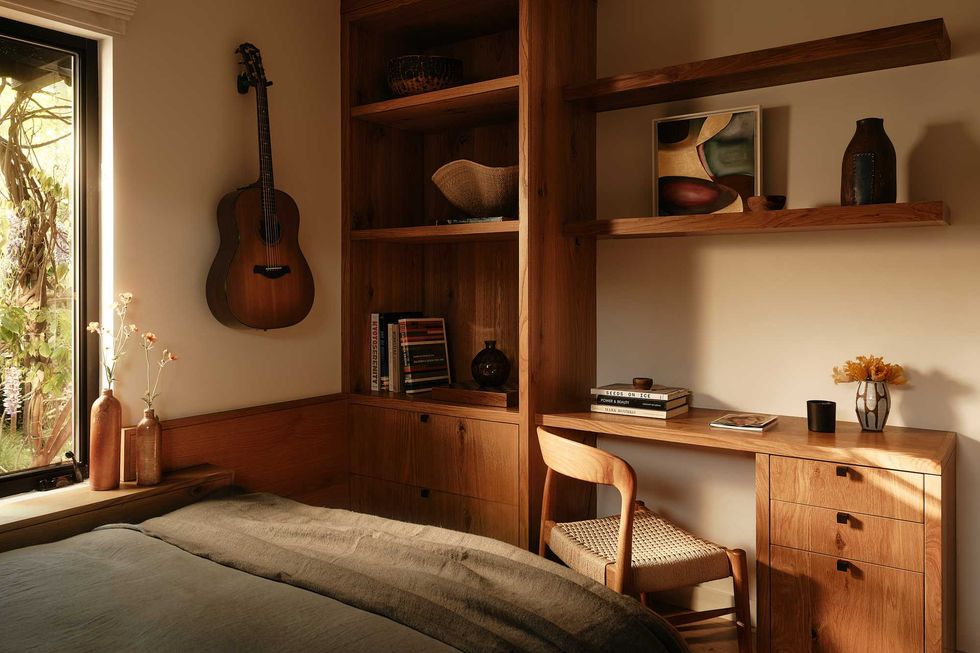
Designing for teens isn’t about shutting them away; it’s about giving them control over how and when they connect. “For their teenage daughter, navigating the emotional intensity of high school, we avoided the common instinct to push her room far away," says Prince. "Instead, we used graduated separation—changes in light, sound, and circulation—to give her control over how much interaction she has at any moment. She can retreat without disappearing, re-enter without performing. The insight here is that emotional safety comes from choice, not distance.”
Nils Timm
"Together, these moves create a home where flow supports emotional timing," says Prince. "The layout teaches the family when to pause, when to connect, and when to retreat—without anyone having to ask for it."
3. Ask Feeling-Based Questions Before Choosing Style
Nils Timm
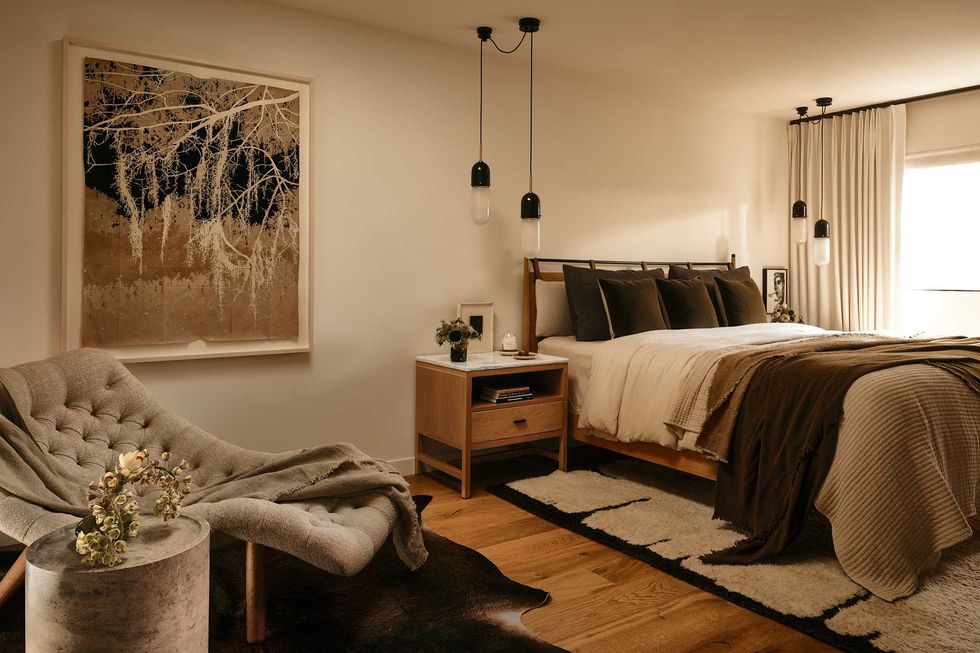
“I start by asking questions that have nothing to do with style,” Prince says. "How do you want to feel when you wake up? Where do you go when you need comfort or quiet? What feels draining in your current home? Those answers tell me far more than a mood board ever could.”
4. Choose Materials That Calm the Body
Nils Timm
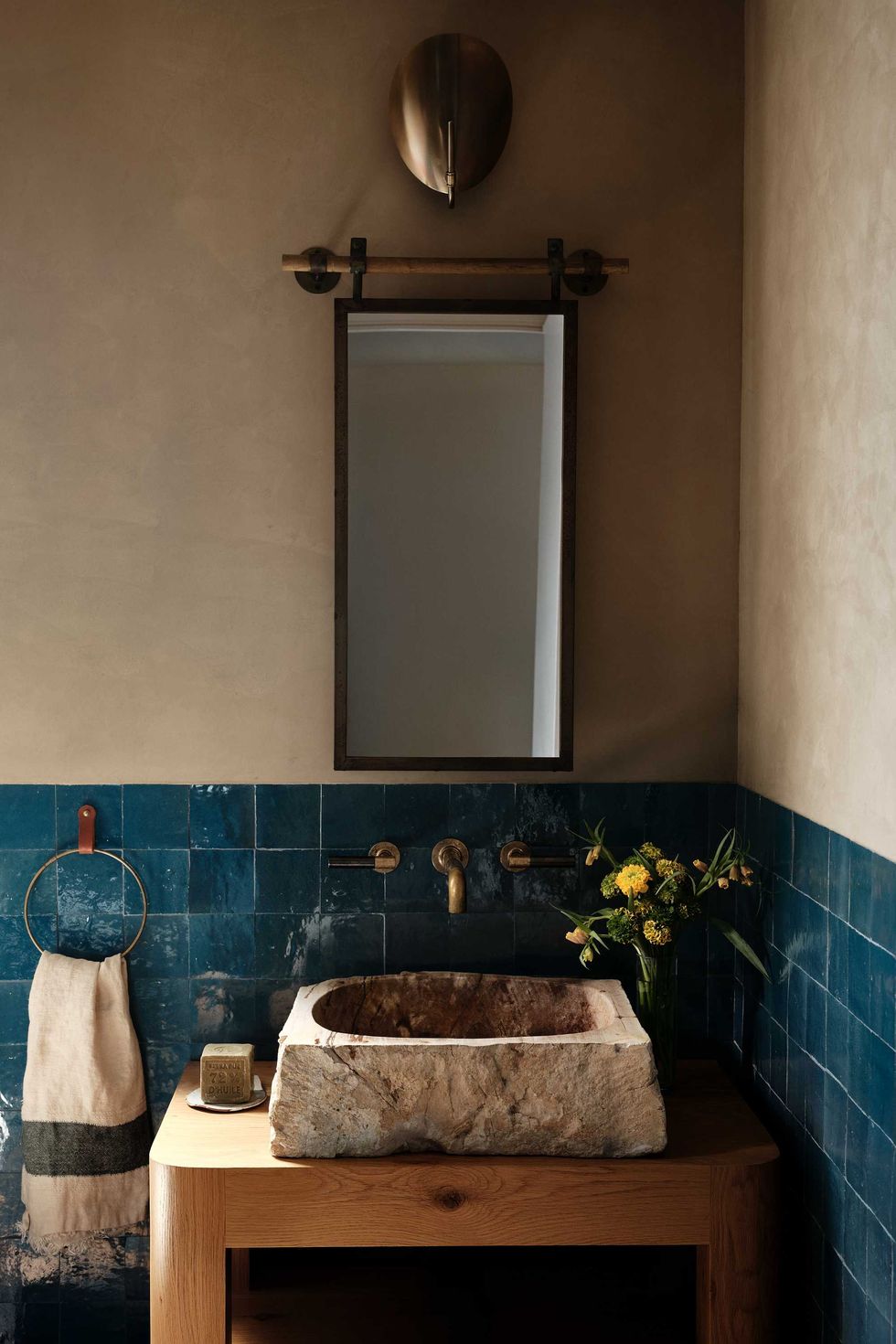
Hand-troweled Roman Clay lines the walls for both emotional and energetic reasons. “Irregular, light-absorbing surfaces give the eye fewer hard edges to track,” Prince notes, reducing visual vigilance. From a Feng Shui perspective, mineral finishes help energy settle instead of ricochet.
5. Use Shape to Support Connection
Nils Timm
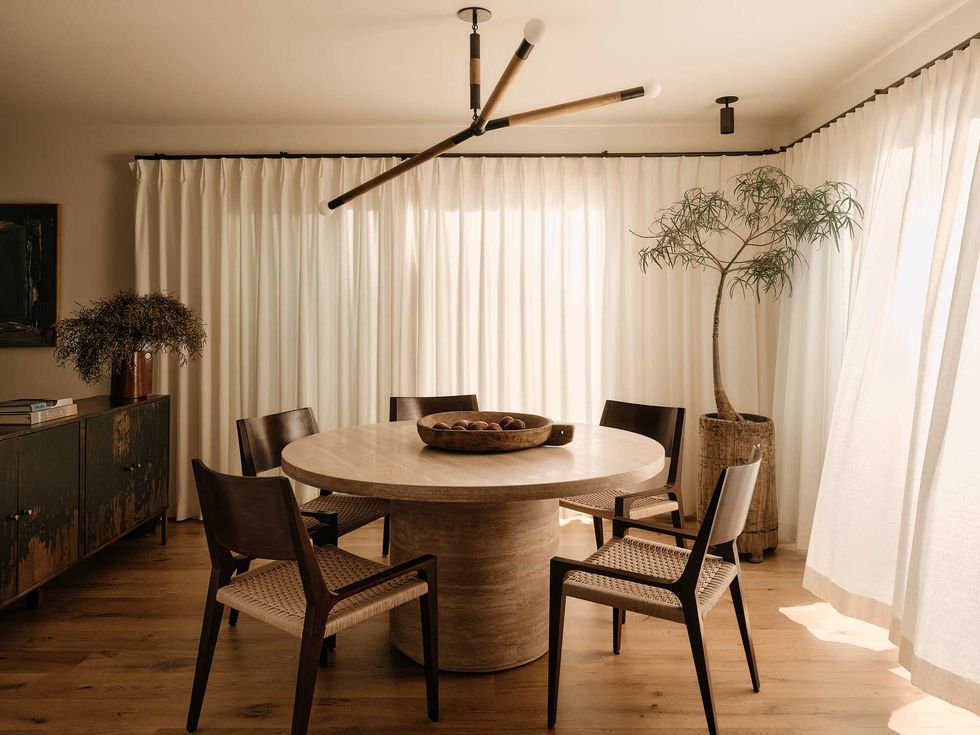
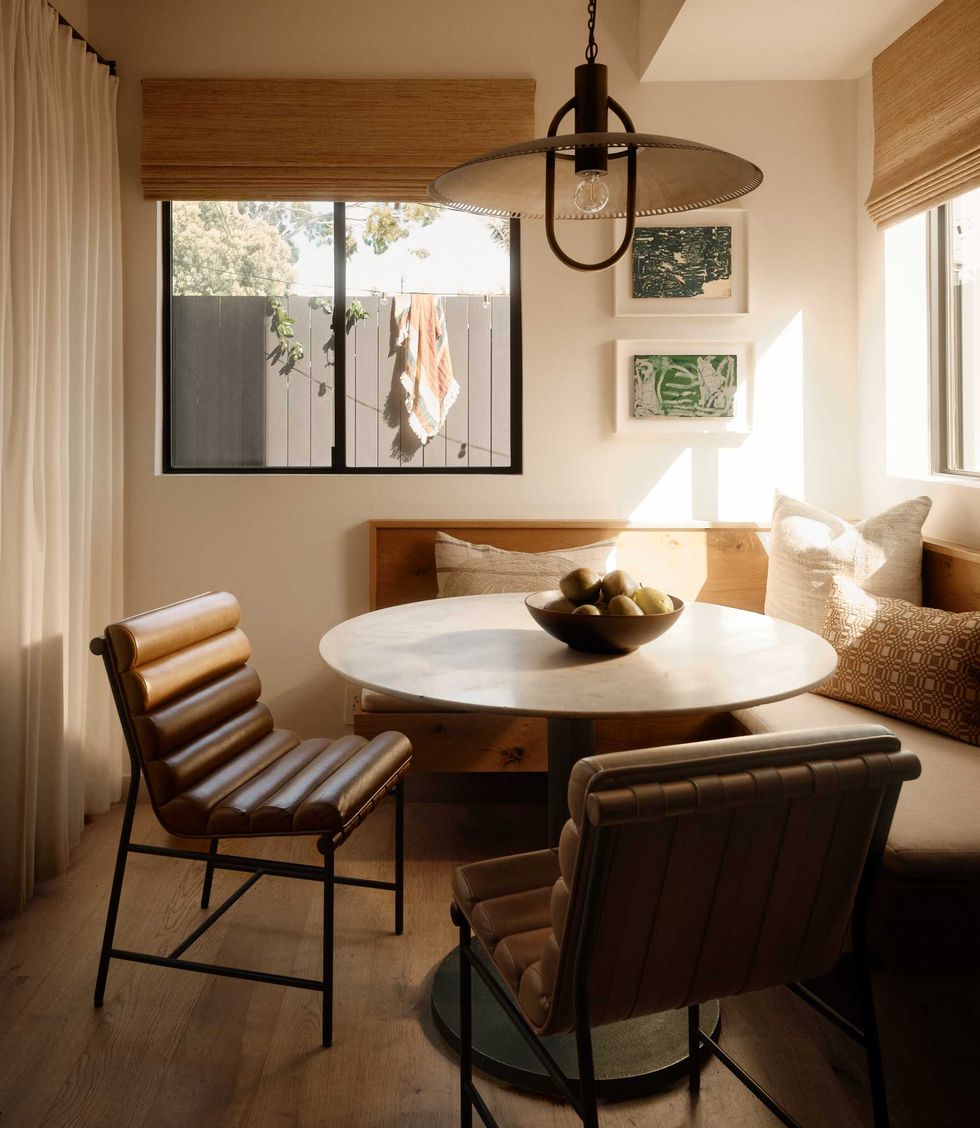
Furniture selections were equally intentional. “Rounded forms were used in key gathering areas to reduce sharp edges and visual tension,” he shares. A round dining table eliminates hierarchy—“no ‘head’ of the table”—encouraging equality, warmth, and deeper conversation.
6. Create a Moment to Land When You Walk In
Nils Timm
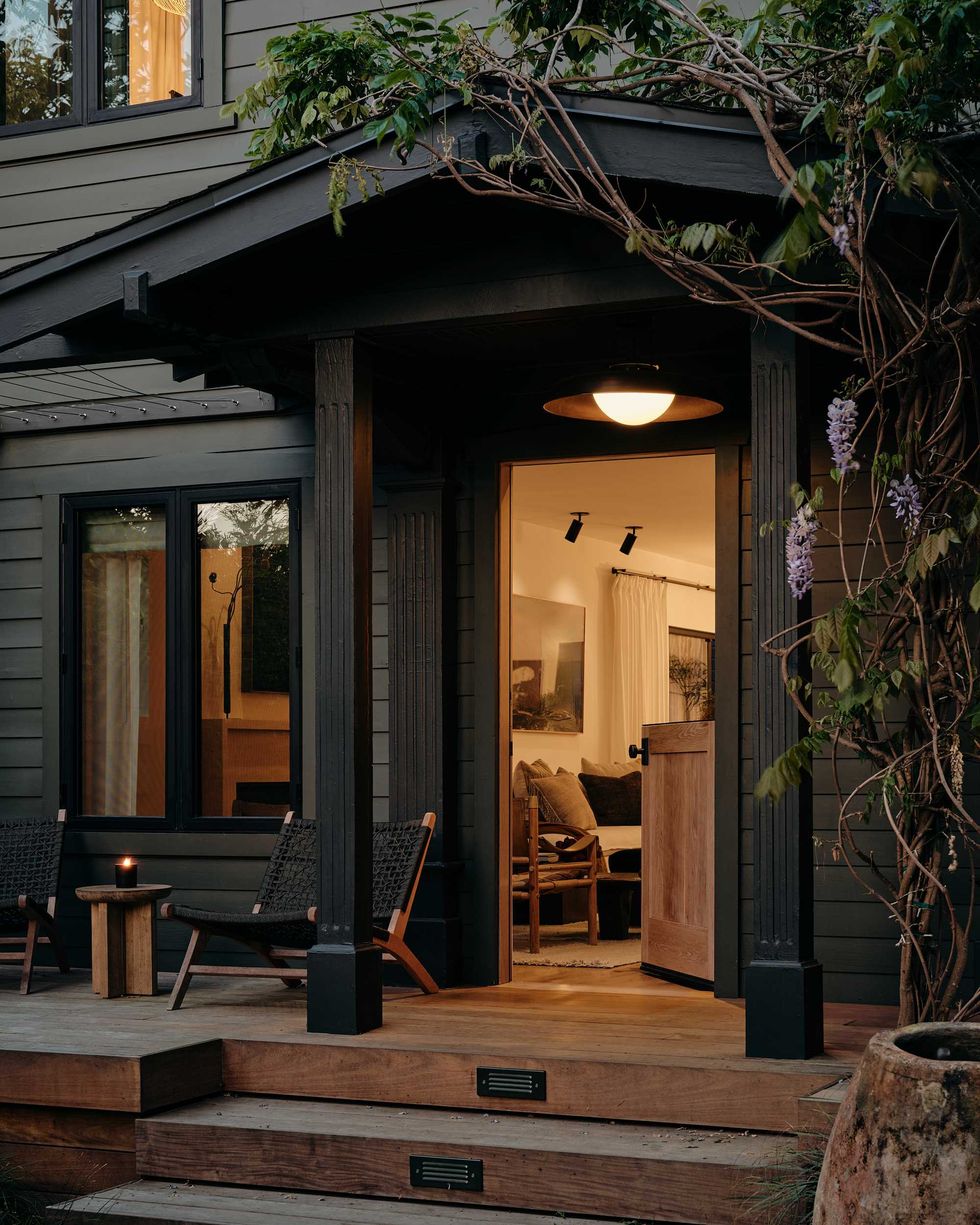
If there’s one takeaway Prince hopes homeowners adopt: “Notice whether you’re immediately confronted by noise, clutter, or interaction—or whether the space gives you a brief moment to land before engaging. Even small shifts—redirecting an entry path, softening sightlines, or creating a pause before shared spaces—can dramatically change how supported you feel at home."
7. Let Location Guide the Energy
John Ellis
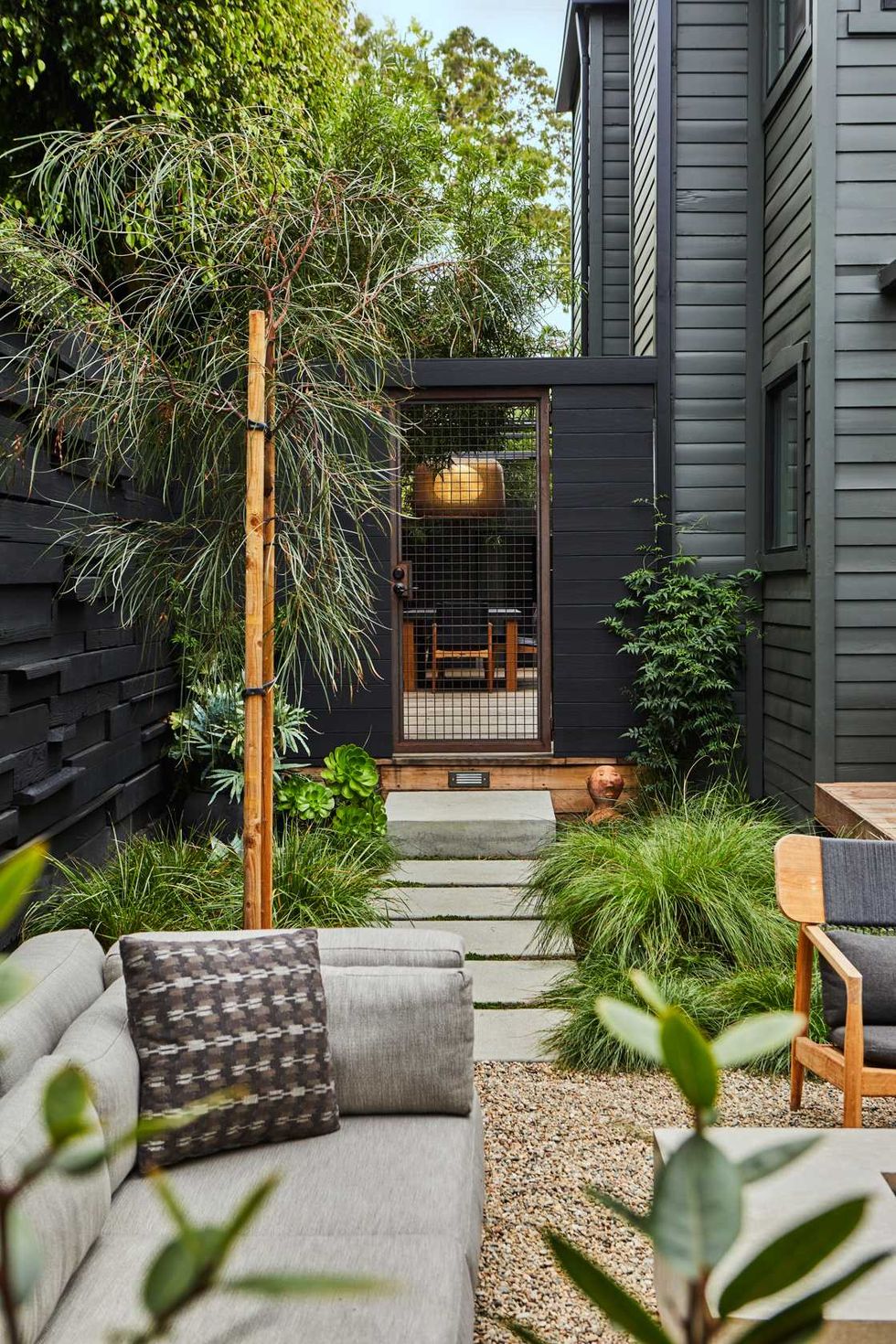
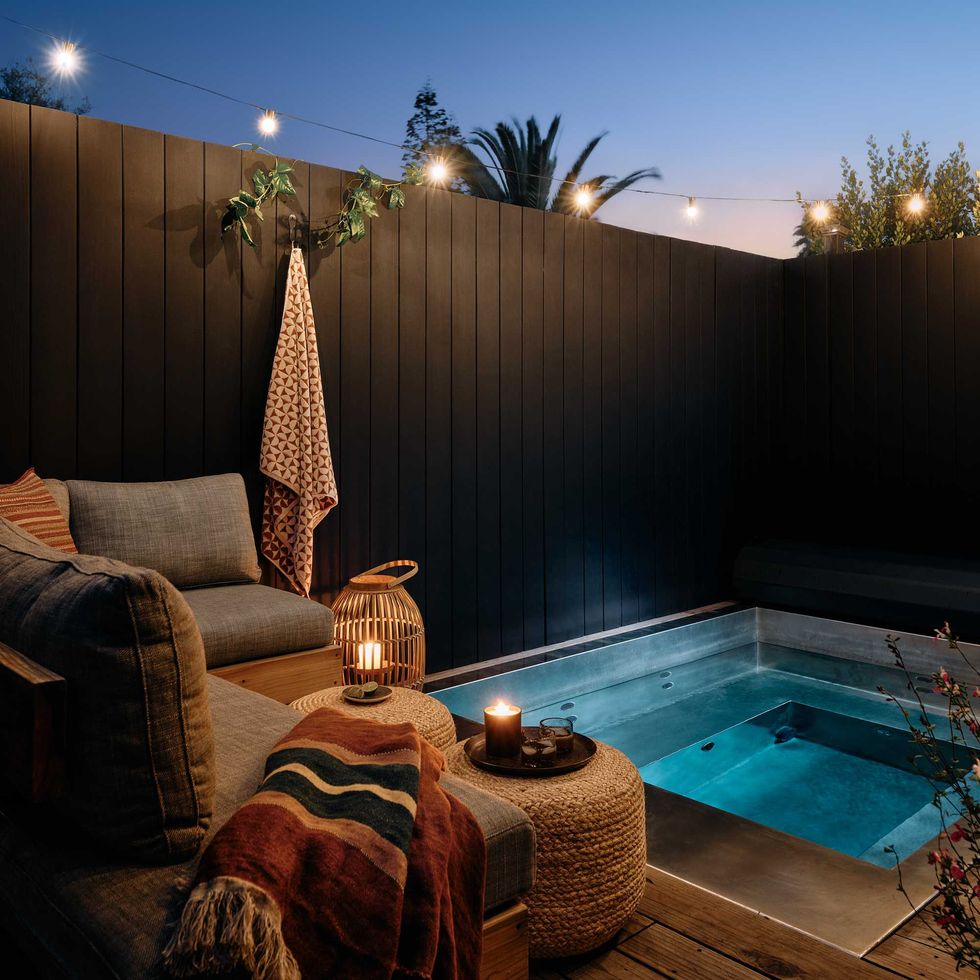
“Venice has a very relaxed, human-scaled energy,” Prince says. Natural light, organic textures, indoor-outdoor flow, and subtle European influences reflect the neighborhood’s creative, walk-street spirit—open yet grounding, vibrant yet calm. "That influenced everything from the indoor-outdoor flow to the material choices. Fun Fact: Venice Beach in Los Angeles was founded in 1905 by developer Abbot Kinney as a 16-mile, resort-style replica of Venice, Italy."
Nils Timm
"Residential design is moving away from surface-level impact and toward behavioral and emotional support," says Prince. "Homes are becoming places that help people regulate, reconnect, and restore—not by adding more, but by aligning space with how humans naturally live and feel."