 Recommended for you

If anyone knows what it's like to suffer with a face full of acne, it's me. In middle school, I bore the brunt of constant bullying since I broke out in places I didn't even know one could break out. (That one week when I developed a zit in my eardrum and could barely hear as a result was so fun.)
But don't worry. There's a happy ending to this story. Because my face full of pimples led to so much pain and, dare I say, trauma for me, I decided to actively make a change and turn my life around in the process. In my attempt to get rid of my problem spots once and for all, I knew it would take a whole lot more than drugstore face creams and benzyl peroxides to clear up my skin. Instead, I needed to educate myself on the fundamentals of acne, how it develops, and how to prevent it.
So I took a trip to my dermatologist, and she told me everything I needed to know about skin-related flare-ups, from cystic acne to pimple scarring. After educating myself on the basics, I now know how to prevent skin flare-ups, so I no longer deal with breakouts. In fact, all these years later, I'm frequently praised for the pearly quality of my skin, but I wouldn't have been able to achieve this glow up without fully educating myself on preventive measures.
If you're ready to say goodbye to acne flare-ups once and for all, here's a full breakdown of what your pimples are trying to tell you about your health, and how you can prevent future breakouts and embrace clear skin.
Scroll to find out what your breakouts actually mean!

Chin Acne
Oh, chin acne. My old nemesis. I used to experience the majority of my breakouts on the chin area, which led to severe self-consciousness that no amount of concealer could cover up. The most common culprit for chin acne? Hormones. While sometimes this is out of our control due to factors like menstrual cycle or teenage growing pains, there are methods to clear it up. While birth control can sometimes make acne worse, in other cases, it can work wonders. It's best to consult with a doctor before making the decision. Other options include retinoids, topical treatments with sulfur, and a prescription medication called Spironolactone.
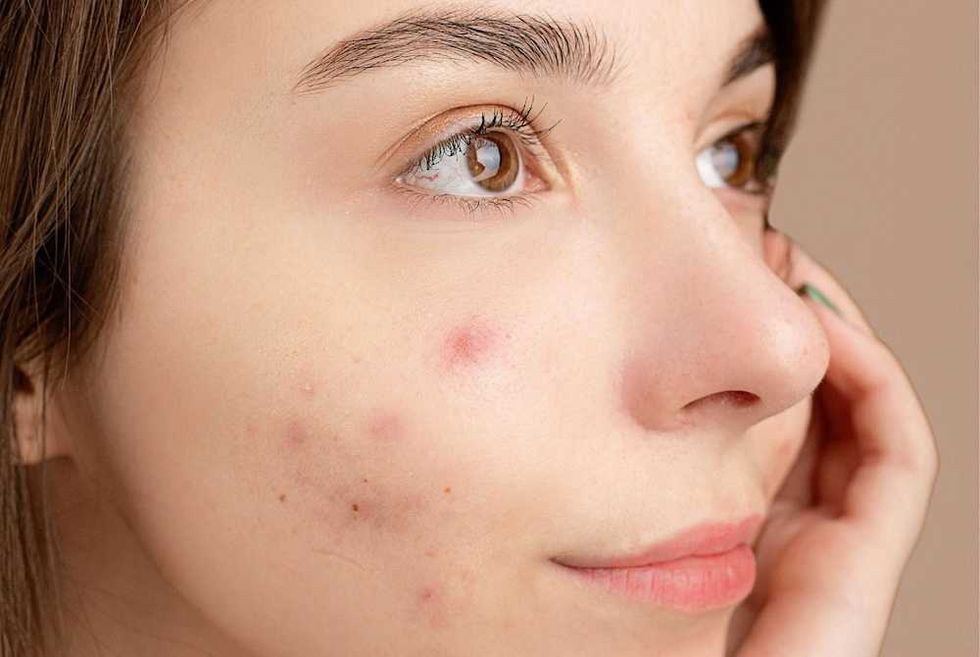
Cheek Acne
Cheek acne is often caused by bacteria, so pay attention to how clean you're keeping your pillow sheets, your cell phone, makeup brushes, etc. Often, we forget that we need to wash more than just our faces to reap the benefits of clear skin. Salicylic acid, benzoyl peroxide, and retinoids are good for clearing up chin acne. However, it's best not to use them daily as they could dry out your skin.
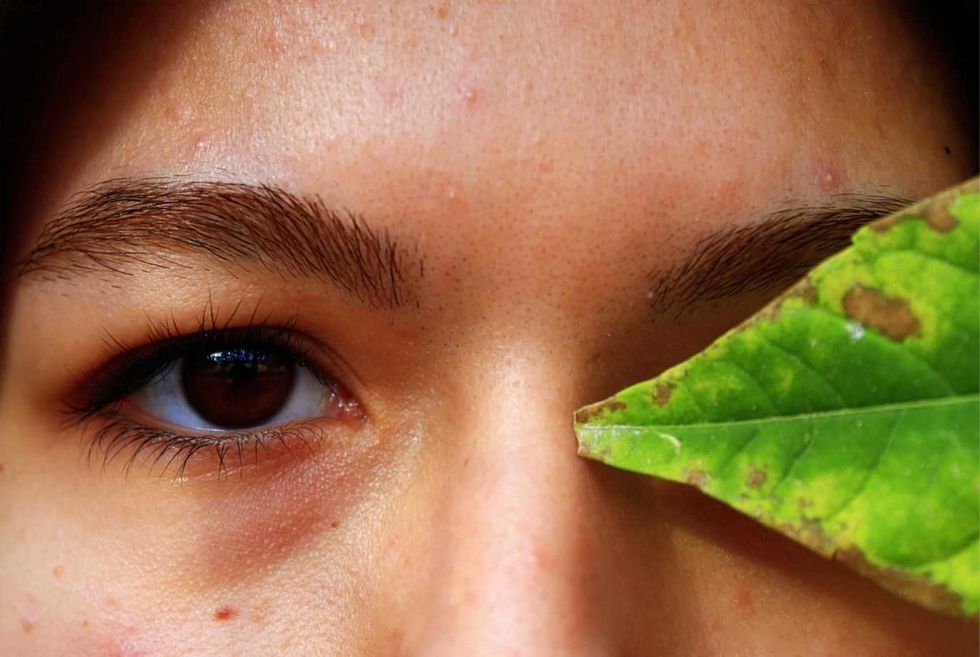
Forehead Acne
Forehead acne can result from several things. Stress, poor digestive health, and clogged pores are all common causes of forehead acne. Since the forehead tends to have larger pores than other areas of the face, they are more prone to clogging. Forehead acne can be treated using the same options as nose acne.
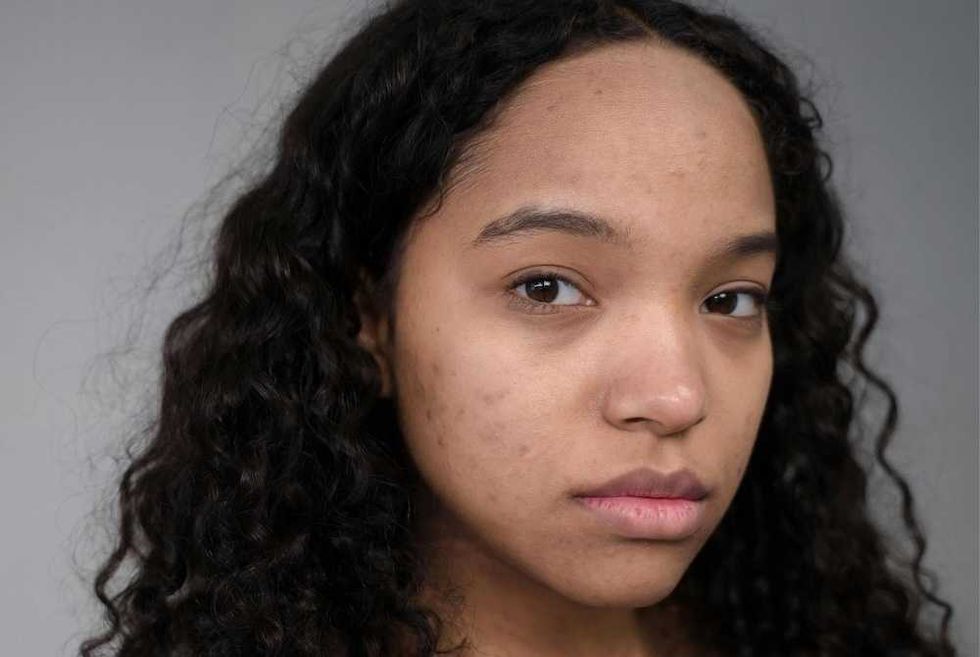
Hairline Acne
Have you ever noticed zits developing along your hairline? In this case, you can often point an accusatory finger at your haircare products, whether it's your shampoo, conditioner, or leave-in mask. Switching up the products you use can be the ultimate solution. However, if you're really attached to your favorite hair care product, you can try applying it only to the ends of your hair and keeping it away from your scalp.
Looking for more skincare tips? Sign up for our newsletter!