Recommended for you


Sourdough is having a moment. More specifically, sourdough starters, which have seemingly taken over our TikTok FYP (just check out the channel itself). But for so many, sourdough seems too complex to actually create. It’s not the ingredients or the actual baking that seems the hardest — it’s the patience that’s required during the sourdough starter process (and waiting while it’s cooking in the oven, but who doesn’t love the smell of freshly baked bread?!). To demystify this delicately baked deliciousness and all it's prep, we chatted with expert baker, Annie Paul. Here are some the simple tips for making your sourdough starter experience less of a hassle!
First, what is sourdough starter?
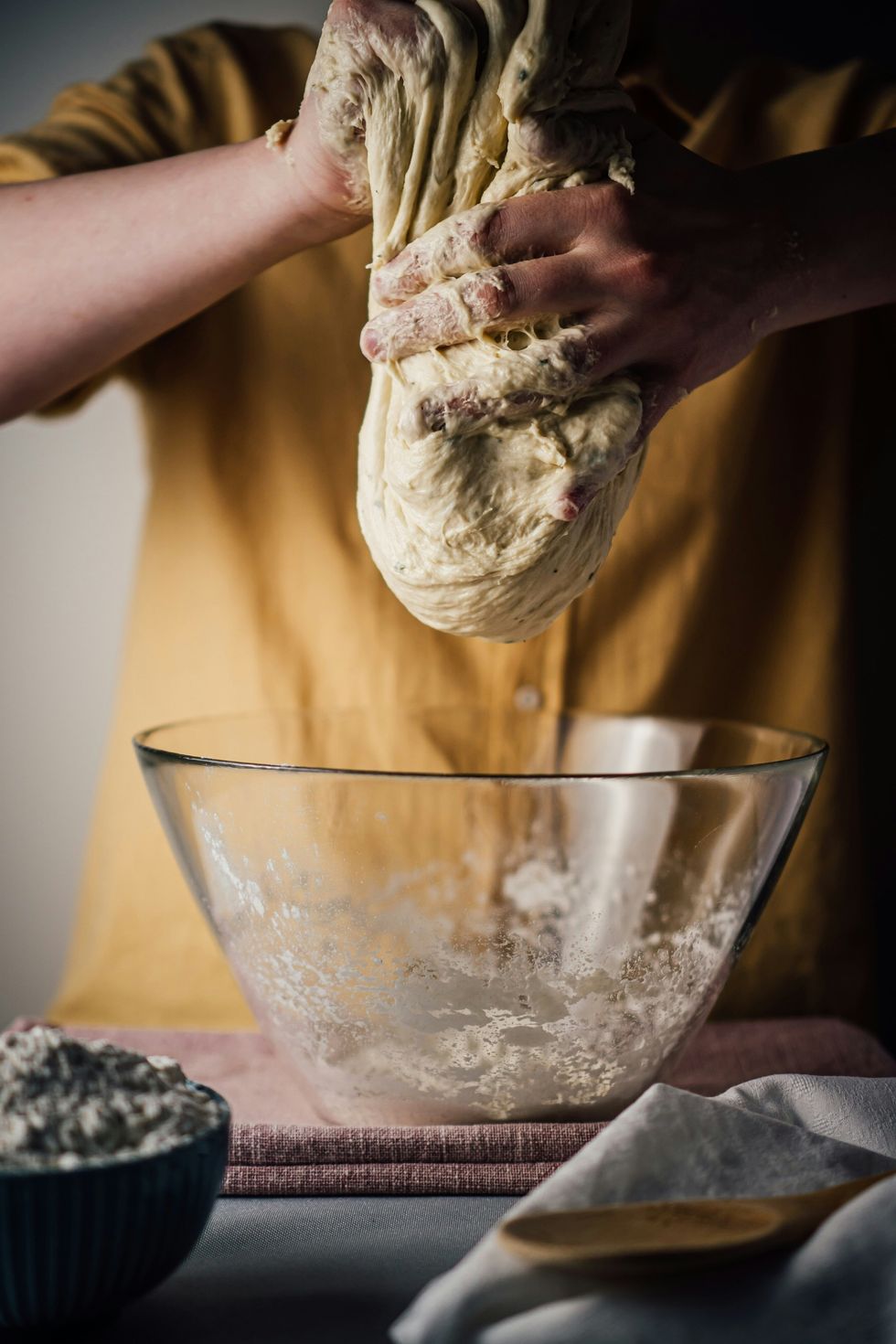
Photo by Adam Bartoszewicz/Unsplash
The reason you're seeing those aesthetic videos of sourdough starter moving around in a bowl is because, well, it’s technically alive. The starter consists of live fermented culture (wild yeast and lactic acid bacteria) created by fresh flour and water. Why is this an essential part of the sourdough bread baking process? It causes the dough to rise. And don’t get thrown off by the term “wild yeast,” because it’s pretty much found everywhere — fruits, flowers, vegetables, etc. all carry it!
But don't worry — it may seem intimidating to keep this concoction alive, but we've got you covered with one very hot tip.
The Tip? Establish A Feeding Schedule For Your Sourdough Starter
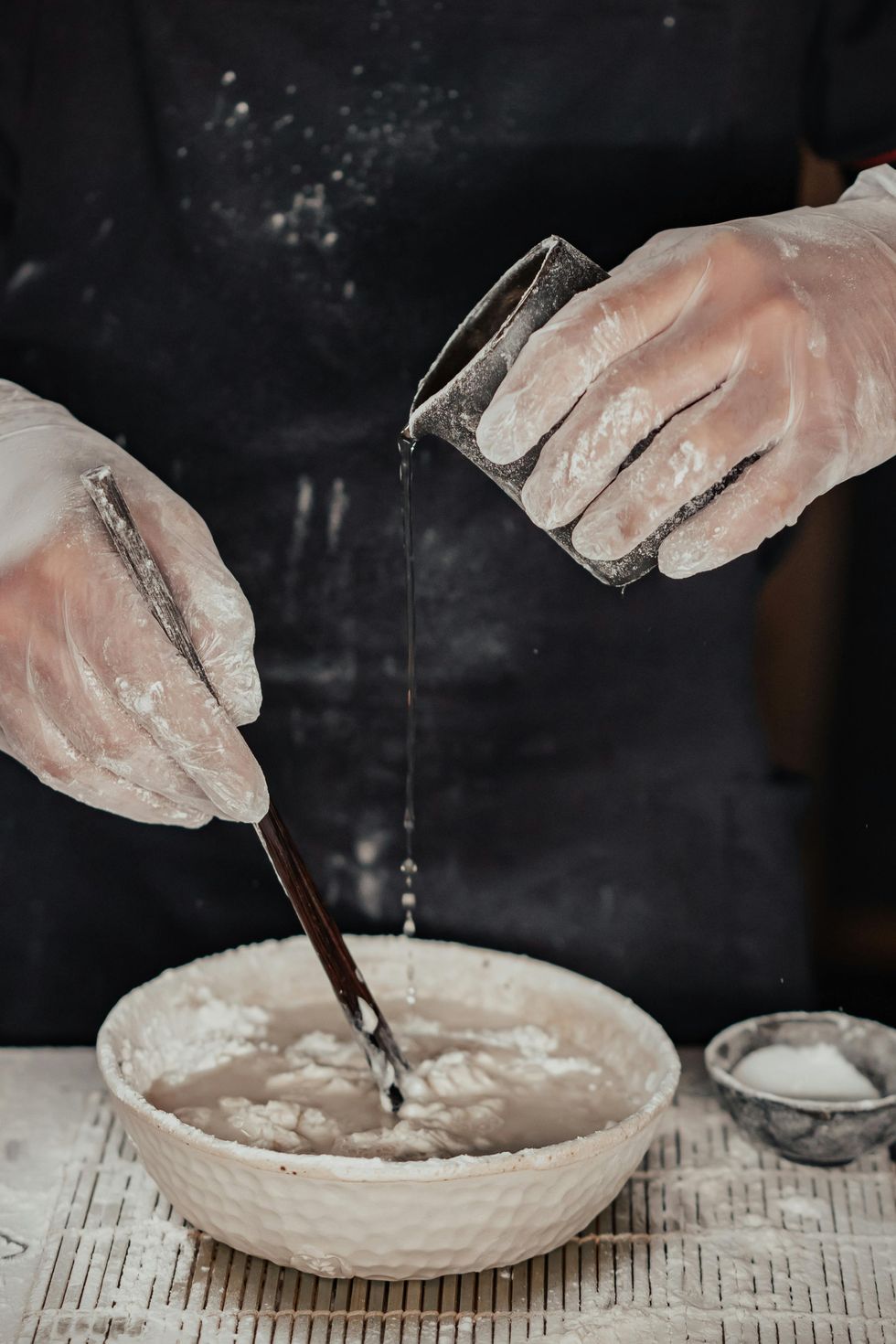
Photo by Mikhail Nilov/PEXELS
Making a sourdough starter is approximately a seven day commitment. This can sound overwhelming, but if you stay consistent, it’s really not a hard feat! The easiest way to culture a successful starter is to establish a feeding schedule — this means adding in more fresh flour and water and allowing it to ferment for an extended period of time. You can leave it in a jar or bowl on the counter.
PSA: You Don’t Have to Make A Sourdough Starter Yourself
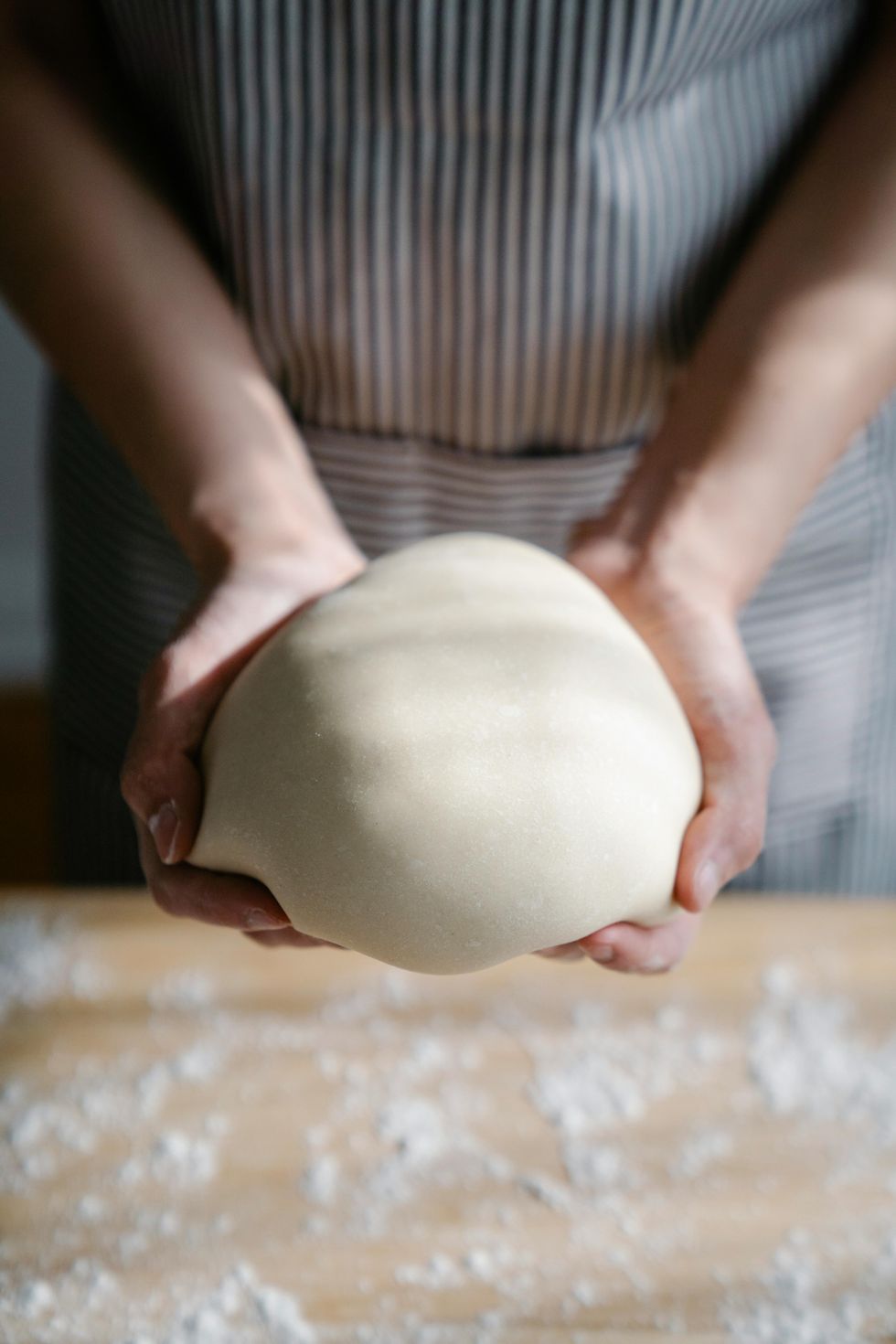
Photo by Felicity Tai/PEXELS
To the bakers out there that are still intimated by the length of time it takes to make a good sourdough starter, you actually don’t have to make it yourself. “My best tip is to go to a bakery that makes really good sourdough bread and ask to buy some of their starter,” Annie Paul, winner of Magnolia Network’s Silos Baking Competition and bakery owner of A P Baked Goods in Michigan, said.
Paul added that most bakeries have a starter that’s “years and years old and that will really improve the flavor of your bread.” Asking your local artisanal bakery not only aids small businesses but also may get you the tastiest of results. No matter which sourdough starter path you choose (homemade or bakery bought), you will not be disappointed with a warm slice of bread and butter.
Need more hot tips for the kitchen? Be sure to sign up for our weekly email newsletter for more!
Header image via Karolina Grabowska/PEXELS