 Recommended for you
Trend cycles move fast — sometimes so fast that what felt fresh a year ago can suddenly make a space feel stuck in the past. But designers aren’t just declaring certain looks “over.” In many cases, they’re responding to a larger shift in how people want their homes to feel: calmer, more personal, and less driven by fleeting aesthetics.
Today, there’s a noticeable move away from overly thematic, heavily stylized, or once-trendy details that can quickly date a room. Instead, designers are leaning into spaces that feel layered, timeless, and reflective of how people actually live.
With that in mind, consider this your gentle heads-up. These are the home decor trends designers are increasingly stepping back from in 2026 — and what’s taking their place.
Scroll for 7 'outdated' decor trends designers are leaving behind in 2026.
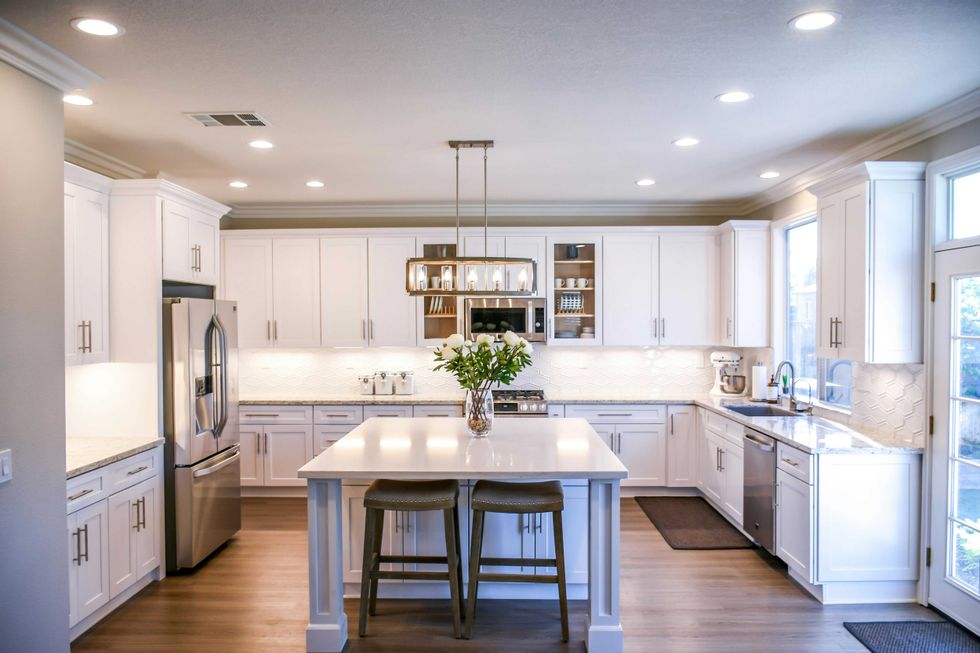
Photo by Mark McCammon
Kitchen Islands
For years, the kitchen island reigned supreme. Bigger was better. Sleeker was better. Entire kitchens were designed around massive slabs of stone that practically demanded you stand, perch, or awkwardly hover while chatting.
And while islands are undeniably functional, they also helped create the slightly cold, showroom-style kitchens that dominated the past decade. Think about it: everyone lined up on barstools, facing the same direction, scattered just far enough apart to make conversation feel weirdly formal. Great for meal prep. Not exactly great for lingering.
Designers are now softening that dynamic — and honestly, it’s a relief. Instead of treating kitchens like performance spaces, the focus is shifting toward connection and comfort. Cozy banquettes, built-in breakfast nooks, and relaxed dining corners are making a strong comeback, replacing that “sit but don’t settle in” feeling islands often created. There’s something inherently warmer about sinking into a cushioned seat, gathering around a table, and actually facing the people you’re with.
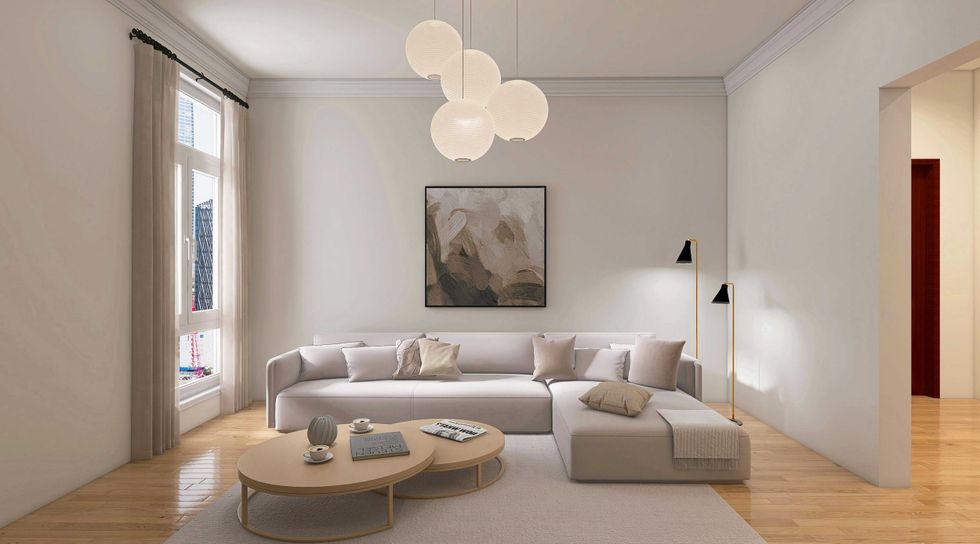
Photo by Hello Pipcke
Overly Minimal Decor
Sometimes, maximalism can get a bit overwhelming, since it feels like too many different aesthetics are fighting for attention all at once. Fair enough! But you don’t want to swing the pendulum in the total opposite direction, where your living space is so minimal, you end up with no personality in your interior design at all. Try to find a happy balance between the two polarizing aesthetics. Not too rah-rah, but not too hushed and muted either. In 2026, people are favoring depth and character, so make sure your home decor reflects your personality.
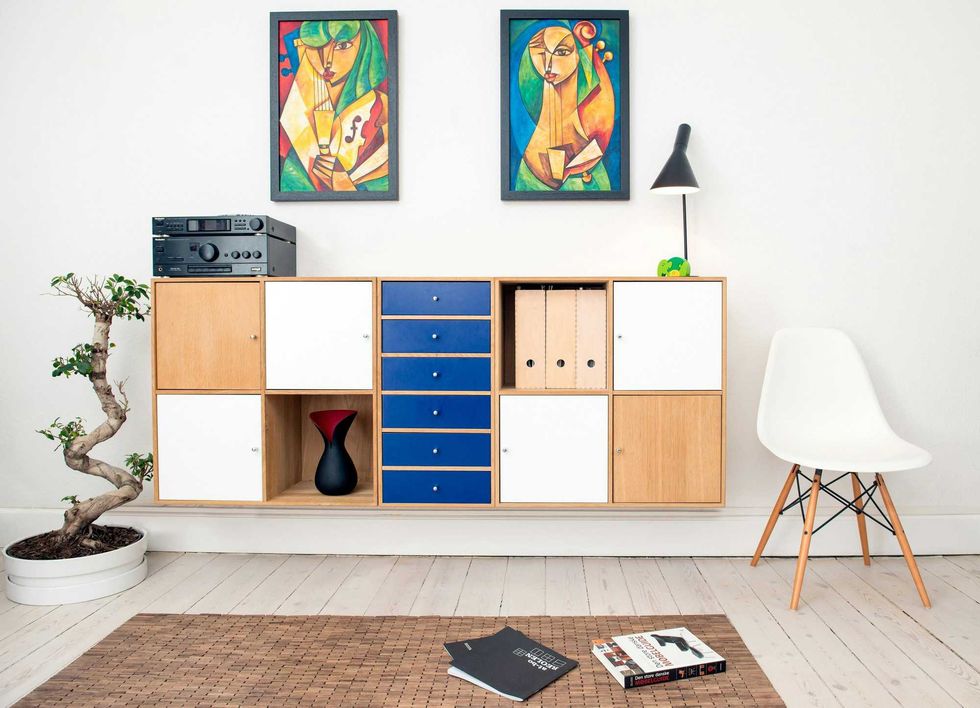
Photo by Athena Sandrini
Fast Furniture
Sure, when you’re in college or fresh out of your first apartment era, grabbing the most affordable chairs and sofas you can find feels like a rite of passage. We’ve all been there — assembling a wobbly coffee table at midnight, pretending that paper-thin cushions are “totally fine.”
But at some point, fast furniture starts to lose its charm. The bargain pieces that once felt practical suddenly feel… temporary. They wear out quickly, rarely survive a move, and often end up costing more in the long run when you’re replacing them every couple of years.
Real adulting isn’t about filling a space as cheaply and quickly as possible — it’s about buying fewer, better things. Investing in well-made furniture instantly changes how a home feels, cozy and comfortable and designed to last.
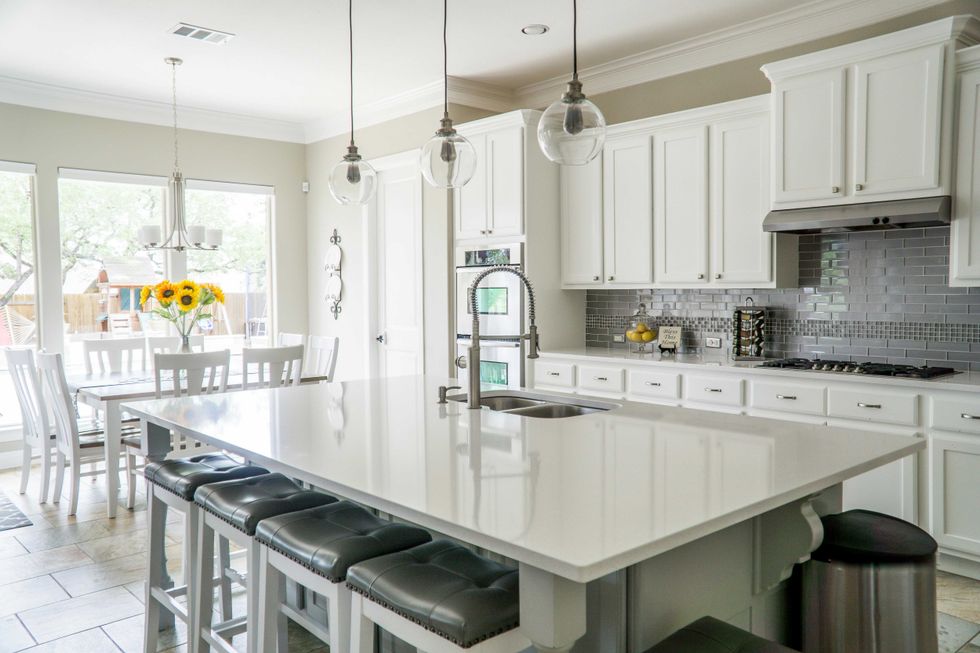
Photo by Mark McCammon
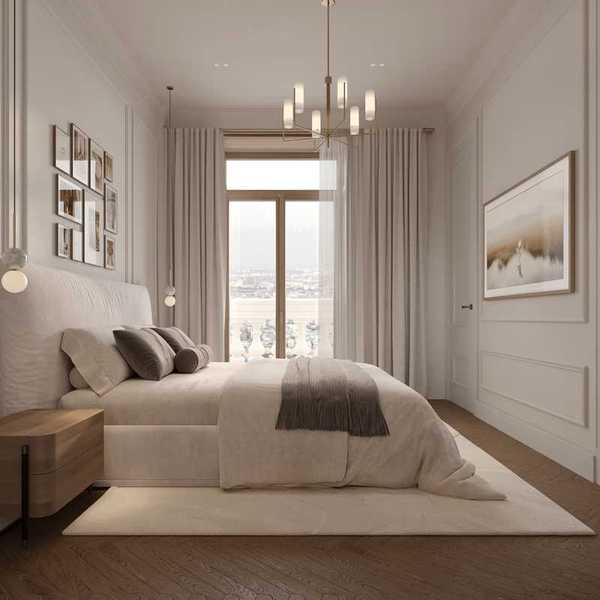
Stark All-White Spaces
I personally love an all-white design. They’re bright, they’re airy, they’re basically the design equivalent of a fresh pair of white sneakers. Stunning in theory… slightly stressful in real life. Every smudge, every dusty footprint, every mysterious “how did that get there?” mark shows up immediately. Unless you’re living a shoes-off, coffee-never-spills, life-but-make-it-sterile existence, that pristine look fades fast.But maintenance isn’t even the biggest issue anymore. The real problem? All-white spaces can start to feel a little cold — visually and emotionally. And in 2026, design is all about warmth. Instead of blinding whites, we’re seeing a major shift toward earthy, cocooning colors that make a home feel relaxed and inviting. Think creamy ivories, warm sand, soft clay, muted taupes — tones that feel like they belong in nature rather than a lab. These shades still keep a space feeling light, but without the harsh, high-contrast edge.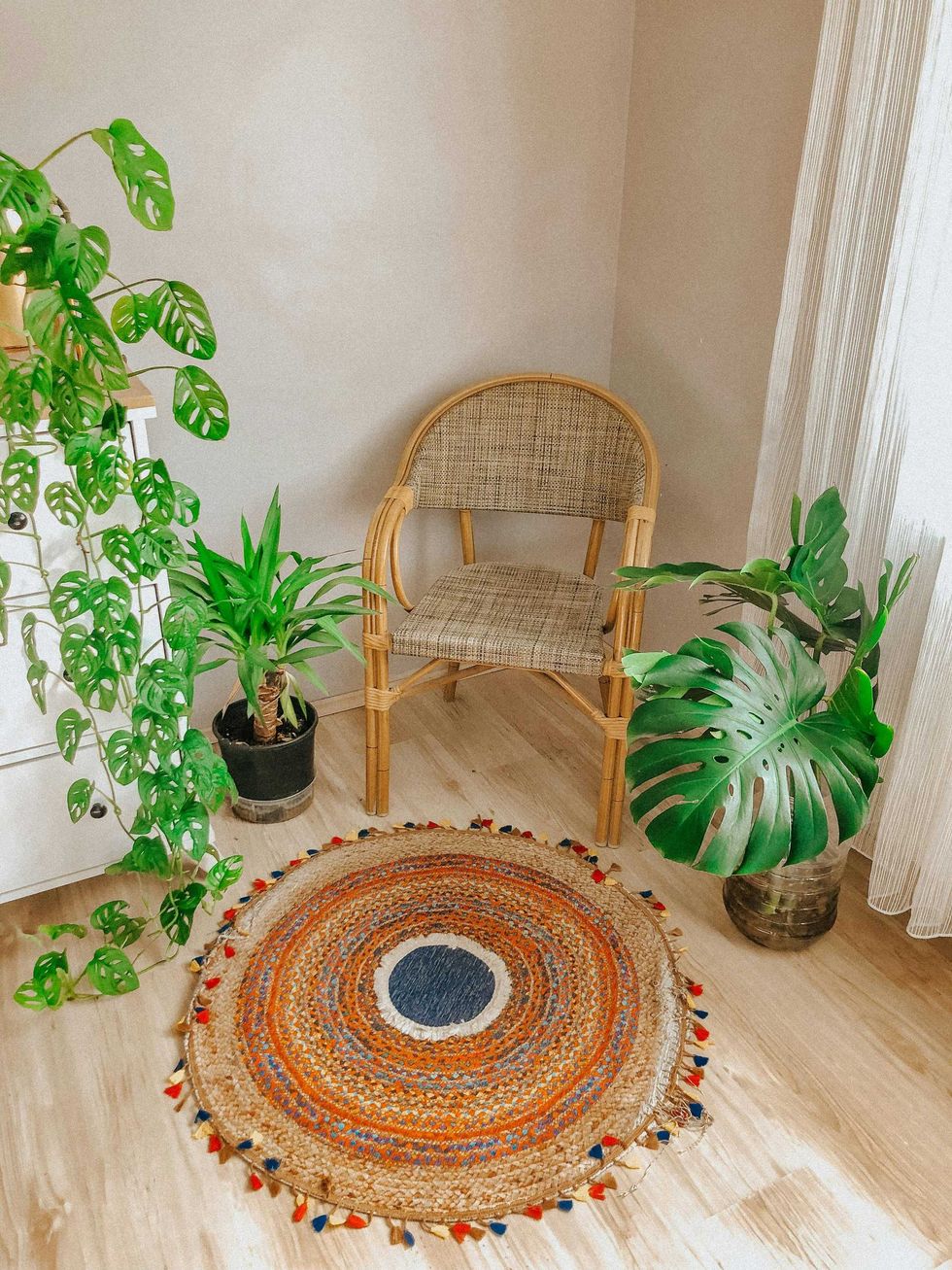
Photo by Fadime Demirtaş
Cheap Faux Plants
My best friend is the ultimate millennial plant mom, and she can always tell when someone is sporting the cheap faux kind. It’s a major no-no and will cheapen any living space, so be sure to invest in high-quality fake plants if you don’t have time to water them daily.
Shutterstock
Bland Beige
Remember in Sex and the City when Big literally leaves Natasha because she is too beige? Well, he also left her because he has serious commitment issues and can’t just stick to one woman, but I digress. Beige is the villain of wall colors, and it’s time to say Adios in 2026. Trends are now favoring color (earthy reds, classic blues, jade), so don’t be afraid to splash some on your walls and let your artistic side shine.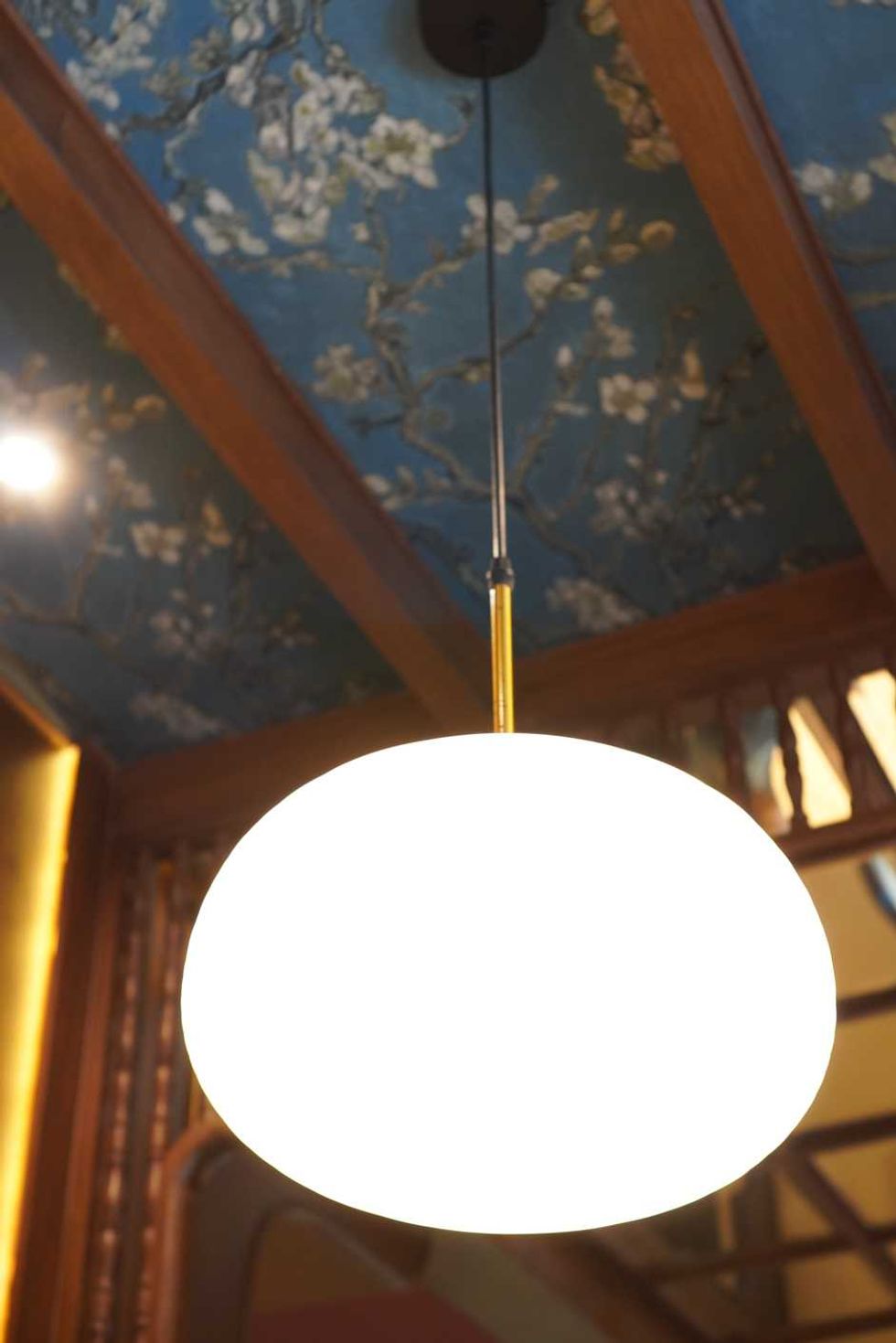
Getty
Statement Ceilings
Bold ceiling colors and oversized murals had their moment — but in 2026 they risk dominating the space and stealing attention from the room’s core design. Subtle depth is now in.
Check out our online newsletter for more home decor inspo!